
Best Medical-Grade Acne Treatment Clinics in HCMC: 5 Key Criteria to Check
A medical-grade acne treatment clinic differs from a spa in 5 key aspects: board-certified dermatologists, accurate acne type diagnosis, operating licenses, sterile protocols, and long-term follow-up care.

Quick Summary: A medical-grade acne treatment clinic in HCMC differs from a regular spa or standard acne package across 5 self-verifiable criteria: whether a certified Dermatologist conducts the consultation in person, whether the acne type is accurately diagnosed before treatment, whether the clinic holds an official Dermatology operating license, whether invasive procedures (extractions/injections) maintain absolute sterility, and whether there is a long-term follow-up regimen rather than just selling one-off sessions.
Why Does "Medical-Grade Acne Treatment" Differ from Spa Treatments?
Acne comes in various types (inflammatory acne, hidden acne under the skin, hormonal acne, cystic acne), and each type requires a distinct treatment approach — improper extractions or using the wrong active ingredients can leave permanent post-inflammatory hyperpigmentation (PIH) and scars. "Medical-grade" means having a medical doctor diagnose your skin before performing any intervention, rather than applying a generalized, one-size-fits-all package to every skin type. The 5 criteria below will help you distinguish a genuine medical clinic from spas merely labeled as medical.
Criterion 1: Does a Certified Dermatologist Directly Perform the Consultation?
This is the most significant difference between a specialized clinic and a spa. Ask directly:
- Is the person examining your skin and prescribing the regimen a certified Dermatologist, or just a skincare specialist/technician?
- What is the physician's Medical Practice Certificate number, and which Department of Health issued it?
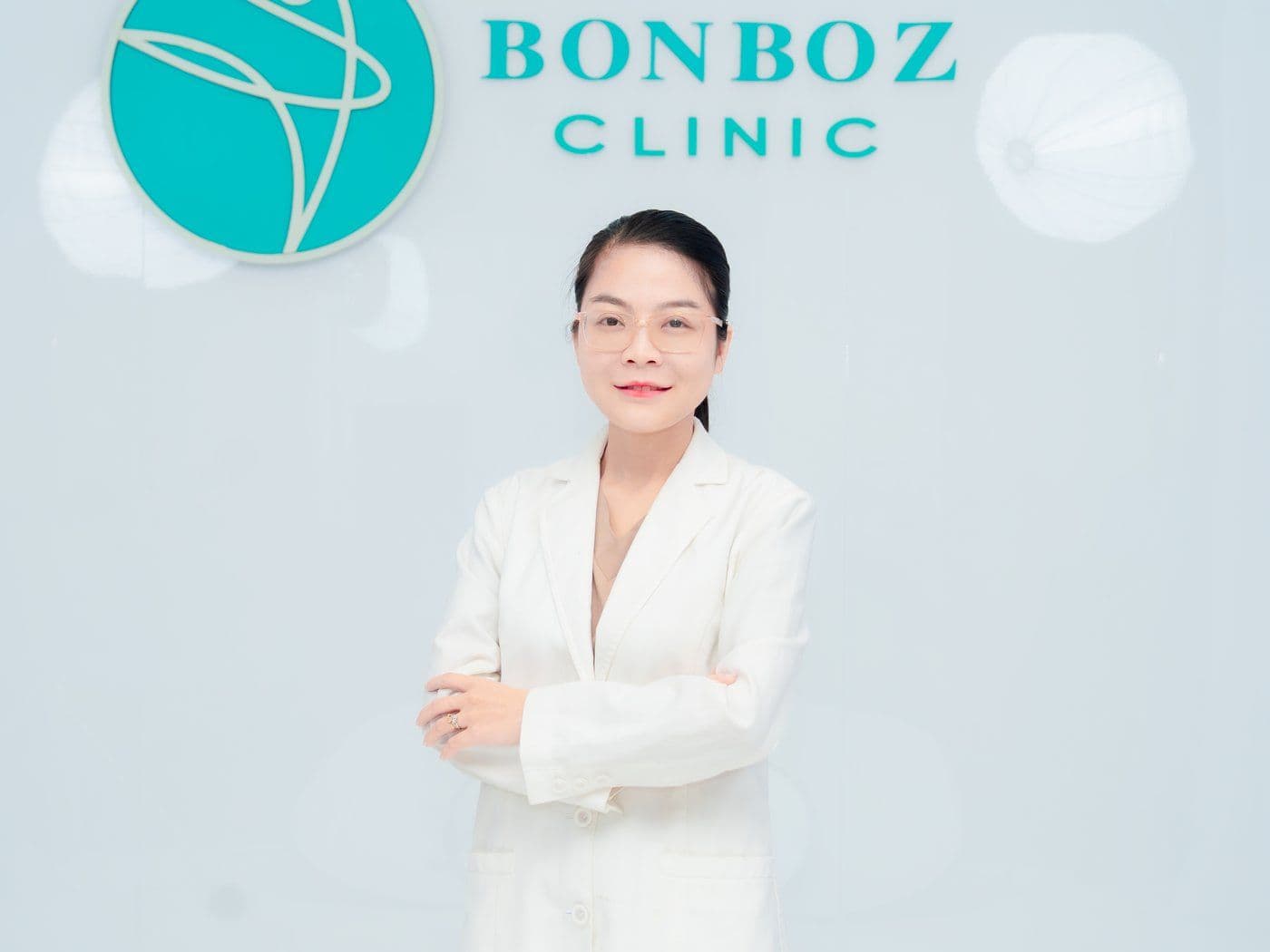
Medical Practice Certificates can be verified publicly on the official portal of the issuing Department of Health — eliminating the need to rely solely on the clinic's claims. For example, at BonBoz Clinic, the physician in charge of acne treatments is Dr. Master of Medicine, Specialist Level I Kim Kha — Specialist Level I in Dermatology (Pham Ngoc Thach University of Medicine, graduated 2025), Medical Practice Certificate No. 009784/ĐL-CCHN issued by the Department of Health of Dak Lak Province.
Criterion 2: Is the Acne Type Identified Prior to Treatment?
A medical-grade clinic will never apply the same protocol to every client. Inquire:
- Does the doctor perform skin analysis and evaluate your medical history (hormonal profile, current medications, allergies) before formulating a treatment protocol?
- Does the protocol clearly state the acne type (inflammatory, hidden, hormonal, cystic...) and the medical rationale behind the chosen treatment approach?
If a sales consultant (not a doctor) selects your treatment based on pricing packages, it is a critical sign to reconsider.
Criterion 3: Operating License in Dermatology
Any facility performing medical interventions for acne (sterile extractions, lesions injections, interventional procedures) must legally hold a Dermatology Operating License issued by the Department of Health — unlike standard aesthetic spas that are unauthorized to perform medical procedures.
- Inquire about the Operating License number and the issuing regulatory body, then verify it on their website or facility signboard.
- Distinction: A specialized Dermatology Clinic (licensed to perform clinical interventions) is strictly different from a spa/cosmetic establishment (limited to superficial skincare, prohibited from performing extractions/injections).
Criterion 4: Is the Procedure Aseptic and Sterile?
Acne extraction and inflammatory lesion injection are minor invasive procedures — without proper sterilization, the risk of cross-infection and permanent scarring increases significantly. Observe:
- Are the extraction and injection instruments individually sterilized for each patient, or are they shared without traceable origin?
- Does the practitioner wear medical-grade gloves and masks according to medical standards?
- Does the procedure room feature a distinct separation between clean and contaminated areas?
Criterion 5: Long-Term Monitoring Protocol, Not Just Selling One-Off Packages
Acne typically requires clinical observation over several weeks and cannot be permanently cleared in a single session. A medical-grade clinic will:
- Schedule follow-up appointments to evaluate clinical response and adjust the regimen if necessary.
- Avoid making 100% cure guarantees within X days — acne resolution depends on individual physiology and varying underlying hormonal factors.
- Provide tailored home skincare guidance between clinical sessions, rather than ending care once you leave the clinic.
When You Consider BonBoz Clinic
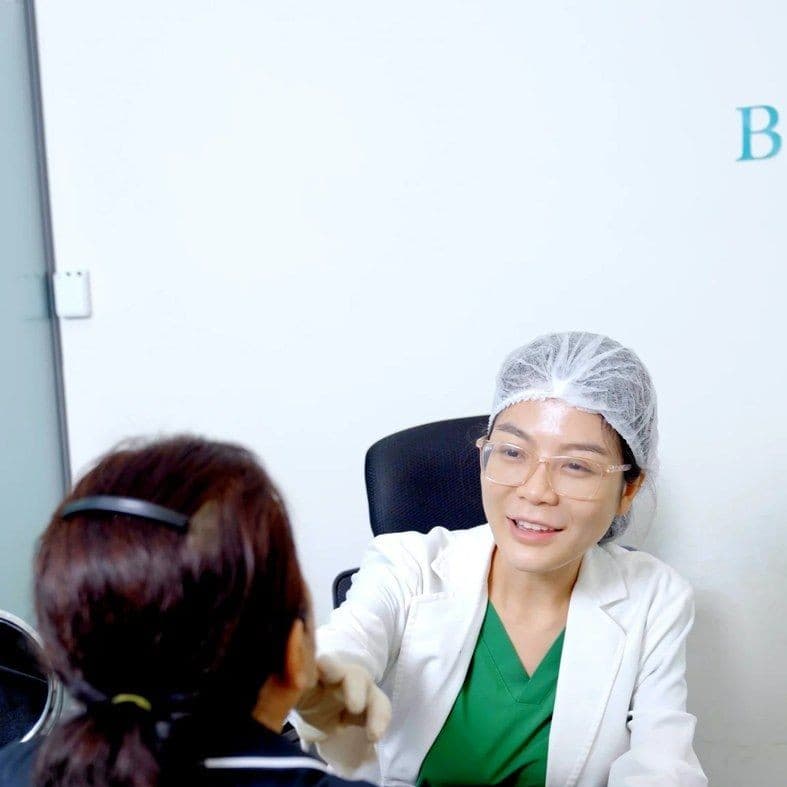
BonBoz Clinic is located at 66–68 Vo Van Tan, Xuan Hoa Ward, HCMC, operating under Dermatology Operating License No. 11113/HCM-GPHĐ issued by the Ho Chi Minh City Department of Health. The physician directly in charge of acne treatments is Dr. Master of Medicine, Specialist Level I Kim Kha — Specialist Level I in Dermatology, with over 8 years of clinical practice in aesthetic dermatology and more than 5,000 internal dermatology cases managed. You will receive a direct skin examination and a tailored protocol formulated specifically for your acne type by the doctor — without unrealistic 100% cure promises prior to examination, as each physiological profile responds differently. (See also: "How to Choose a Reputable Aesthetic Facility: 5 Critical Criteria" — applicable across all clinical services.)
Read more: 5 criteria for choosing a reputable dermatology and aesthetic clinic in HCMC
Frequently Asked Questions
Which is a good medical-grade acne treatment clinic in HCMC?
There are no official universal rankings — the definitive way to verify is by evaluating the 5 criteria: whether a certified Dermatologist directly examines you (verifiable Medical Practice Certificate on the Department of Health portal), whether the acne type is accurately diagnosed before treatment, whether the clinic holds a Dermatology Operating License, whether procedures maintain strict sterility, and whether a long-term monitoring regimen is provided.
What is the difference between acne treatment at a spa and at a dermatology clinic?
Spas lack the authority to perform medical interventions (they are legally prohibited from extracting/injecting inflammatory acne with medical instruments and do not have diagnosing doctors) — they are limited to superficial skincare. A dermatology clinic features certified specialists who diagnose your acne type and holds an official Dermatology Operating License to perform clinical interventions.
Can acne be 100% cured permanently?
From a medical perspective, there is no credible 100% permanent cure guarantee — acne is heavily influenced by hormones, individual genetics, and lifestyle habits, leading to varying treatment responses. A reputable clinic will be transparent about this reality instead of promising absolute outcomes.
Should I visit a dermatology clinic immediately or try self-treating at home first?
For mild acne, an appropriate home skincare routine may be sufficient. However, if you experience moderate-to-severe inflammatory acne, recurrent flare-ups, or signs of impending scarring, you should consult a certified Dermatologist to identify root causes rather than experimenting with products of unverified formulations.
References
- ASPS — Patient safety, accessed 03/10/2026
- NHS — Cosmetic procedures, accessed 03/10/2026
1. What is the medical-grade acne treatment protocol at BonBoz Clinic?
At BonBoz Clinic, the medical-grade acne treatment protocol always begins with an in-person consultation by a specialist doctor to evaluate your skin condition and diagnose the underlying causes of acne. Based on these clinical findings, the physician develops a personalized treatment plan combining appropriate clinical modalities. Subsequently, you will receive tailored home skincare instructions along with scheduled follow-up visits to monitor progress and adjust the regimen as needed.
This article is for reference only and does not replace an in-person examination or a doctor's diagnosis. Actual results vary by individual condition.