
Proper Facial Mask Application: Types, Frequency, and Essential Tips
Applying face masks is a favorite skincare step for many, but improper use can do more harm than good. Understanding how to choose the right type, frequency, and key precautions will help you maximize their benefits while keeping your skin safe.
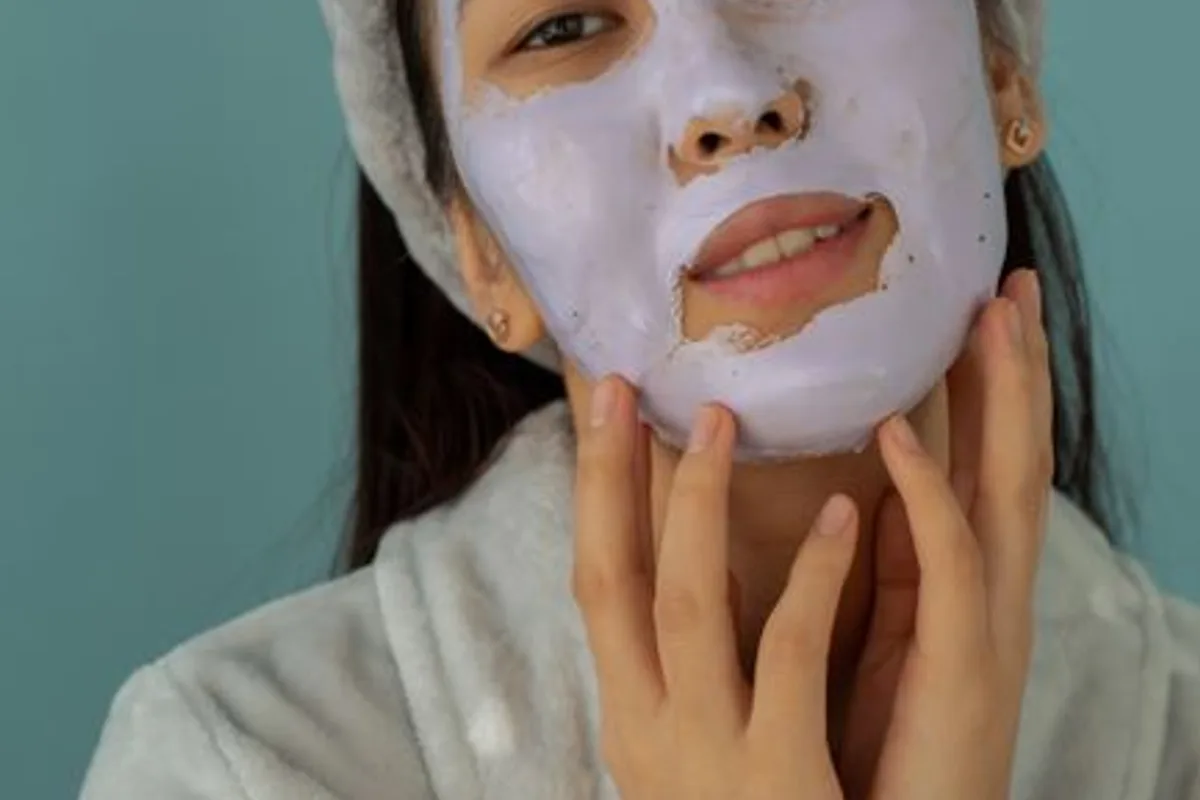
Quick summary: Face masks are a supportive step, not a treatment step — they provide immediate hydration and nutrients to the surface layer. Recommended frequency by type: hydrating sheet masks 2–3 times/week, clay masks once a week and only on oily areas, masks containing active exfoliating ingredients once a week or less. The most common mistake is leaving them on for too long — letting a sheet mask dry out on the face causes it to draw moisture back out of the skin. Following in-clinic procedures, specific post-care timelines override all personal routines.
What are the benefits of applying a face mask?
Face masks create a temporary occlusive layer that allows nourishing ingredients to remain in contact with the skin longer than usual. Realistic benefits include: rapid surface-layer hydration, temporary soothing, and, depending on the type, assisting with sebum removal or mild brightening.
What face masks cannot do: replace your daily moisturizer, treat inflammatory acne, clear melasma, or create long-term structural changes in the skin. Setting the right expectations from the start will prevent unnecessary spending.
What types of face masks are available and how should you choose?
| Type | Function | Suitable for | Reference Frequency |
|---|---|---|---|
| Hydrating sheet masks | Delivers instant surface hydration | Most skin types, dehydrated skin | 2–3 times/week |
| Clay / charcoal masks | Absorbs surface sebum | Oily skin, T-zone | Once/week, apply only to oily areas |
| Sleeping masks | Locks in moisture overnight | Dry skin, dehydrated skin | 1–3 times/week |
| Active ingredient masks (AHA/BHA, vitamin C…) | Stronger surface action | Skin already acclimated to actives | Once/week or less |
| Soothing masks (fragrance-free) | Reduces burning sensations | Sensitive or sensitized skin | As needed |
How to choose based on skin concerns, not advertising: if the skin feels tight and dry, choose hydrating formulas; if the T-zone is excessively shiny, use clay exclusively on that area; if the skin is red and stinging, choose only soothing masks and completely avoid active ingredients.
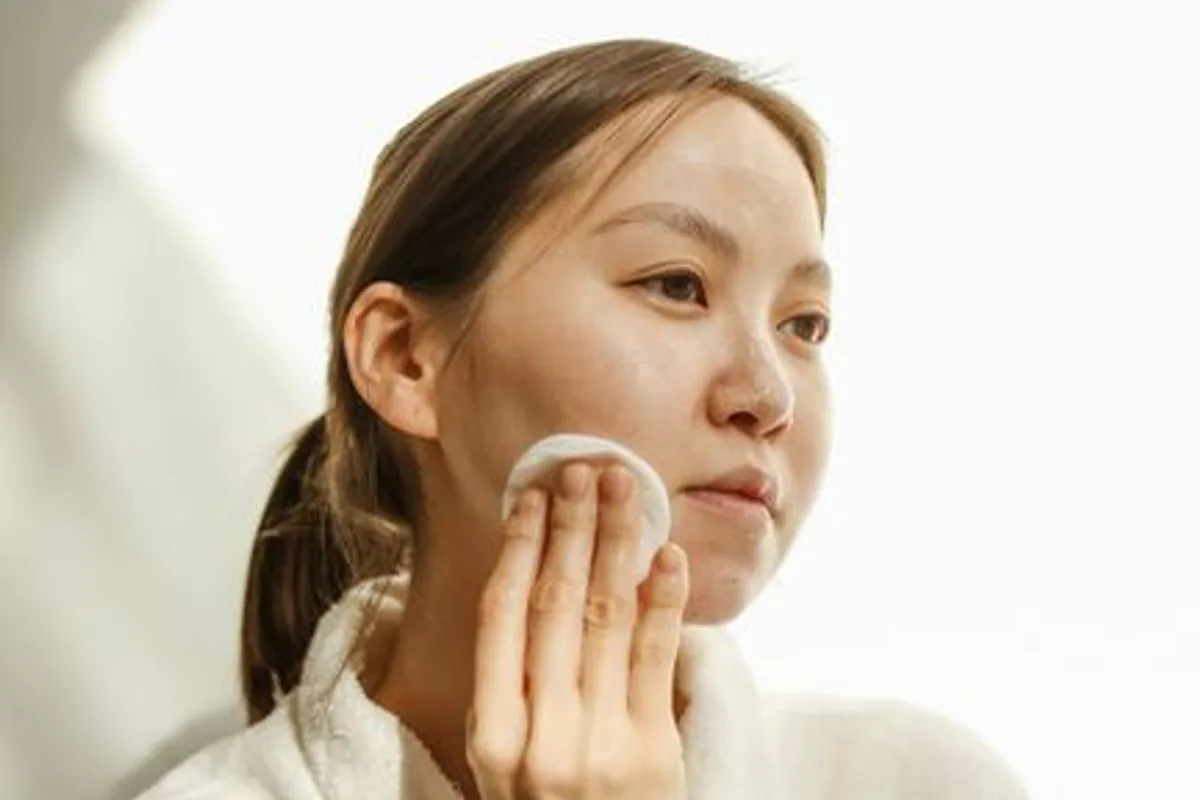
How often should you apply a face mask?
Follow the table above and adjust according to your skin's response rather than a rigid schedule. Keep three principles in mind:
- 1Follow the duration instructed on the packaging, usually 10–20 minutes. Do not let sheet masks dry out on your face — once the sheet dries, it begins to draw moisture back out of the skin, resulting in the exact opposite of the intended effect
- 2Do not apply multiple types of masks on the same day
- 3Always moisturize after masking to lock in the newly delivered hydration; otherwise, the water will evaporate
If your skin is experiencing irritation, discontinue masks with active ingredients entirely, switch strictly to soothing formulas, and reduce your overall masking frequency.
How can improper mask application harm your skin?
- Leaving the mask to dry on the face — draws moisture back out of the skin, leaving it drier than before application
- Masking too frequently — over-softens and compromises the skin barrier
- Layering active masks on days when AHA/BHA or retinol is already used — easily exceeds skin tolerance thresholds
- Applying clay masks all over dry skin — excessively dries out areas already lacking natural oils
- Applying masks over open wounds or actively inflamed acne lesions
- Skipping a patch test with new products — sheet masks cover the entire face simultaneously, causing allergic reactions to spread instantly
⛔ Post-procedure care at the clinic: specific timelines override personal routines
According to the BonBoz Clinic Post-Treatment Care Guidelines:
| Procedure Performed | Post-Care Instructions |
|---|---|
| Basic skin care | Do not let water touch the skin for the first 1 hour; no makeup or moisturizers for the first 4 hours, except for physician-prescribed products |
| Fractional laser | Completely discontinue Retinol, AHA, BHA, and Vitamin C until the skin has fully peeled — this includes masks containing these active ingredients |
| Acne peel / pigment peel | Strictly avoid harsh exfoliating products; resume usage only after the skin has recovered, from 1 week onward |
| Intensive atrophic scar treatment | Gently cleanse the skin using only normal saline for the first 24 hours, do not use facial cleansers; allow scabs to shed naturally over 4–7 days |
General rule: immediately after a procedure, use only products prescribed by your doctor; do not independently add face masks to your routine, even gentle ones.
References
- AAD — Skin care tips, accessed 03/10/2026
- DermNet — Ageing skin, accessed 03/10/2026
Frequently Asked Questions
Is it good to apply a face mask every day?
With gentle, hydrating sheet masks, daily use may be tolerated by some individuals, but it is unnecessary and can weaken the skin barrier. With clay masks or masks containing active ingredients, the answer is no — this is the fastest way to trigger skin irritation.
Can a face mask replace a moisturizer?
No. Face masks deliver immediate hydration, but they cannot retain it long-term; a moisturizer is essential to lock it in. Skipping moisturizer after masking will cause the newly absorbed hydration to evaporate entirely.
Can acne-prone skin use face masks?
It depends on the stage. If you have active inflammatory acne or swollen cysts, avoid applying masks over those areas. Once the skin stabilizes, choose gentle, non-comedogenic formulas, and ideally consult your doctor if you are currently on a medical treatment protocol.
How should face masks be used during an active clinic treatment regimen?
Follow the guidelines in the table above and adhere to your doctor's specific instructions. Many milestones are determined by the state of your skin rather than a set number of days — for example, waiting until the skin has fully peeled following fractional laser treatment.
This article is for reference only and does not replace an in-person examination or a doctor's diagnosis. Actual results vary by individual condition.