
Filler Dissolving Slower Than Expected – Is It a Cause for Concern?
Slow filler absorption is normal as every individual's body is different. Results are most noticeable after 1 month. If accompanied by abnormal swelling, contact your doctor immediately.
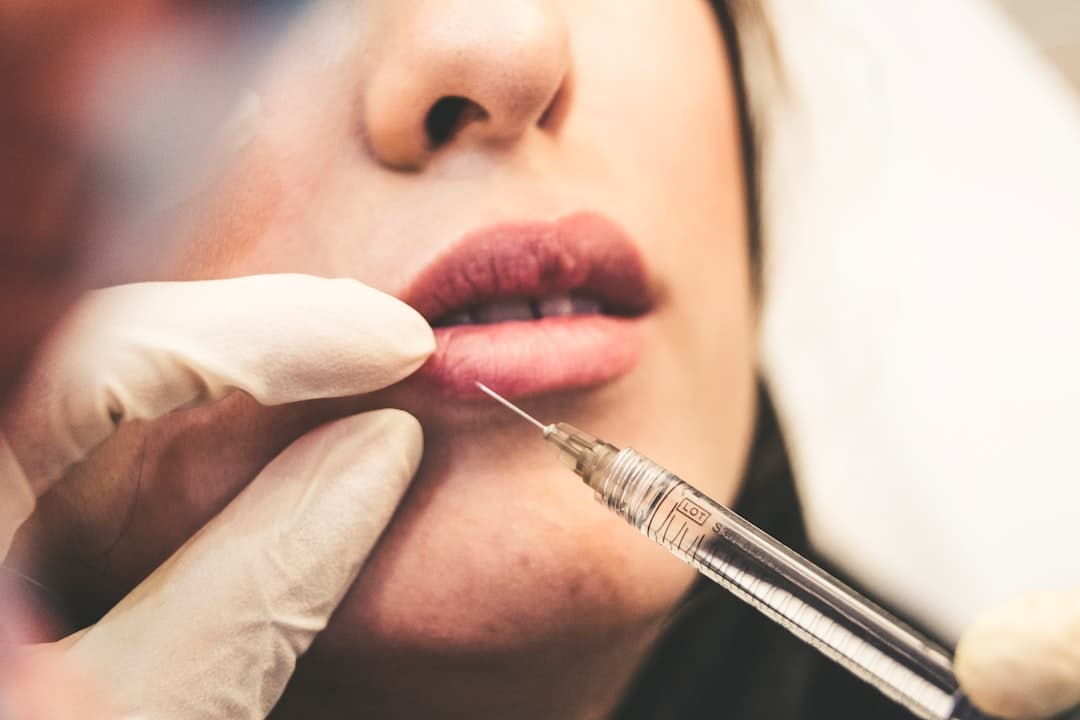
Slower Dermal Filler Breakdown Than Expected – Is It an Abnormal Sign?
Dermal filler breaking down more slowly than anticipated is not necessarily an abnormal sign. Each person's body metabolizes dermal fillers differently depending on age, metabolism, and lifestyle. As long as there are no signs of inflammation, pain, or prolonged abnormal swelling, you can rest assured.
Quick summary: HA (Hyaluronic Acid) fillers typically dissolve within 6–12 months, but the rate varies by individual anatomy. Results are most apparent after 1 month. If the treated area exhibits abnormal symptoms (redness, severe pain, substantial swelling), contact your doctor immediately. Some individuals may need touch-ups sooner because their filler breaks down faster than others.
What Is the Normal Rate of Dermal Filler Breakdown?
Dermal fillers containing Hyaluronic Acid (HA) are naturally biodegradable within the body. While this ensures safety, it also means the filler will gradually diminish over time.
Most people notice their filler fully dissolving after approximately 6 to 12 months. However, "fully" does not always mean it disappears completely on a specific week — it is a gradual process. The results are typically most apparent by the end of the 4th week post-injection, once the HA molecules have fully settled.
At BonBoz Clinic, we exclusively use authentic, biodegradable HA fillers and never use permanent or semi-permanent fillers (due to the high risk of late-onset complications that are difficult to manage). The advantage of HA is that if early adjustment is required, the doctor can administer the Hyaluronidase enzyme to dissolve the filler immediately — without waiting for natural physiological breakdown.
Why Does Your Filler Dissolve Slower Than in Others?
Several factors influence the rate of dermal filler breakdown:
- Age and metabolism. Younger individuals with a faster metabolism typically metabolize filler earlier. Conversely, adults aged 40+ with a slower metabolic rate may retain filler longer.
- Aftercare habits. Regular massage, saunas, or frequent muscle movement in the treated area encourage the body to absorb filler faster. Conversely, keeping facial expressions minimal and muscles relaxed can help filler last longer.
- Lifestyle. Staying well-hydrated, getting adequate sleep, minimizing stress, and reducing alcohol consumption support optimal immune function — thereby metabolizing filler at the expected rate.
- Genetics. Some individuals naturally possess a slower breakdown mechanism, while others metabolize faster. This cannot be altered.
- Injection site. Filler injected into the lips breaks down faster due to constant movement. Filler placed along the cheekbones or forehead tends to dissolve more slowly.

When Should You Contact a Doctor Immediately?
Slow filler breakdown is generally normal. However, if you experience any of the following symptoms, contact BonBoz right away:
- Persistent inflammation, redness, or tenderness in the treated area (lasting more than 3–5 days post-injection).
- Skin blanching (turning pale/white), coldness to the touch, severe swelling, or abnormal bruising/mottling (critical signs of vascular occlusion).
- Severe, escalating pain that does not subside after 24 hours.
These symptoms may indicate complications such as infection, allergic reactions, or (rarely) vascular occlusion. The physicians at BonBoz will promptly examine and manage the condition.
Should You Get an Early Touch-Up?
If you notice your filler dissolving too quickly (within just 3–4 months) and desire longer-lasting results, a touch-up injection is an option. Some individuals require maintenance after 6 months, while others can wait up to 12 months.
Consult your doctor to determine the ideal touch-up timeline for your body. Every individual is unique, and our physicians will evaluate each case individually.
Conclusion
Slower filler breakdown than expected is not inherently a problem — in fact, it can be advantageous, as your aesthetic results last longer. As long as there are no signs of abnormal inflammation, swelling, or pain, you have nothing to worry about. If you are uncertain or would like a comprehensive consultation regarding your filler retention, visit BonBoz for a direct evaluation and tailored guidance from our physicians.
Read more: 5 criteria for choosing a safe Botox and dermal filler clinic in HCMC
Frequently Asked Questions
Does slow filler breakdown mean it was injected incorrectly?
Not necessarily. Precise injection placement ensures smooth, natural filler distribution, but it has minimal impact on the breakdown rate. The absorption speed primarily depends on your body — particularly your metabolism, age, and lifestyle. If you have concerns about the injection placement, contact your doctor for further evaluation.
Can I Speed Up Dermal Filler Breakdown?
There are a few ways that may encourage faster filler breakdown: increasing physical exercise (boosting metabolism), using saunas, gently massaging the treated area (after the initial few days), and drinking more water. However, results are not guaranteed and any difference is typically minimal. If you genuinely wish to remove the filler promptly, a doctor can administer Hyaluronidase enzyme to dissolve it quickly.
Can Dermal Filler Dissolve Too Slowly and Cause Issues?
This is extremely rare. If filler persists for an extended period (over 18 months), it is generally due to a naturally slow metabolic absorption rate. This is a physiological trait rather than a medical concern. However, if accompanied by prolonged swelling or other unusual symptoms, consult your doctor.
Do I Need to Monitor the Filler Breakdown Process?
You may take pre- and post-treatment photos to track how your filler evolves over time. However, there is no need to worry or check obsessively — focus on watching for abnormal symptoms (inflammation, severe pain, significant swelling) rather than subtle changes in facial contours. If you would like an official progress check, visit BonBoz for an in-person assessment by our doctors.
Is It Dangerous to Get Dermal Filler Injections Multiple Times?
Receiving repeated HA filler injections is safe — provided you choose a reputable facility with experienced physicians. Risks typically arise from the use of permanent or semi-permanent (non-biodegradable) fillers, which can lead to difficult-to-manage late complications. BonBoz Clinic exclusively uses genuine HA fillers, allowing you to undergo maintenance treatments safely when needed without concern for long-term complications.
References
- ASPS — Dermal fillers, accessed 03/10/2026
- NHS — Dermal fillers, accessed 03/10/2026
1. Which types of dermal fillers typically last longer or dissolve more slowly?
Filler longevity depends on various factors, among which the formulation and cross-linking technology play key roles. Dermal fillers with higher cross-linking degrees or larger molecular densities tend to persist longer in the tissue. Physicians at BonBoz Clinic will provide detailed advice on the most suitable filler type and its expected duration for your specific case.
2. If filler is breaking down slowly, what abnormal signs should I watch for?
If slow filler breakdown is accompanied by persistent swelling, erythema (redness), tenderness, palpable hard nodules, or skin discoloration at the injection site, you should seek immediate medical evaluation. These may indicate adverse reactions or complications that require prompt, accurate assessment and intervention by specialist physicians at BonBoz Clinic.
This article is for reference only and does not replace an in-person examination or a doctor's diagnosis. Actual results vary by individual condition.