
Does Laser Thin Your Skin? A Dermatologist Explains What You Should Really Worry About
Properly indicated laser treatment at a clinic is not intended to thin the skin. The real risk lies in who operates the device and for what purpose: improper use can cause bruising, hyperpigmentation or hypopigmentation.

Properly indicated laser treatment at a clinic is not intended to thin the skin. According to Dr. Kha, the doctor's goal is to treat the skin condition and help the skin look more youthful. What truly deserves concern is who operates the device and for what purpose. Laser used incorrectly or without a clear goal can cause bruising, skin damage, post-inflammatory hyperpigmentation (PIH), or hypopigmentation.
Quick summary:
- Laser uses high-intensity light energy; each wavelength serves a different treatment goal.
- Properly indicated laser is intended to improve the skin condition, not to thin the skin.
- The main risk comes from using laser for the wrong purpose, for example at places where no doctor determines the indication: bruising, skin damage, post-inflammatory hyperpigmentation, or hypopigmentation.
- With fractional laser, the skin forms dark crusts that flake off on their own within 3–7 days according to BonBoz's instructions. If your skin becomes severely irritated or does not follow the course you were told to expect, notify your doctor.
Short video: Dr. Bui Thi Kim Kha (Specialist Level I) answers the question *"Does laser thin the skin?"*.
How does laser act on the skin?
Laser delivers high-intensity light energy to the skin. What matters most is the wavelength: depending on the treatment goal, doctors use lasers with different wavelengths. Some target pigment, some stimulate collagen production, and some help brighten the skin.
That is why "getting laser" is not one single procedure. Asking "does laser thin the skin?" is like asking "are medications harmful?" The answer depends on which one, for whom, who prescribes it, and how it is used.
Why doesn't medically appropriate laser thin the skin?
When laser is used in a clinic for treatment, the doctor sets specific goals for the skin: treating pigmentation, stimulating collagen production, and helping the skin look brighter. Dr. Kha explains that the purpose is to treat the skin condition and rejuvenate the skin, rather than to thin it. She adds that properly indicated laser may even help the skin become thicker, depending on the case and each person's response.
After a session, the skin may show changes that you have been told to expect. According to BonBoz's instructions, with fractional laser the skin forms dark crusts that flake off on their own within 3–7 days; during this time, do not pick at them. If your skin becomes severely irritated or does not follow the course you were told to expect, notify your doctor for an examination. If you are worried about thin skin because you once used cosmetics of unknown origin, the article why quick-whitening mixed creams are dangerous addresses this topic separately.

Where the real risk lies: who is operating the laser on you?
Dr. Kha puts it plainly: what matters is who is using the laser device to treat you. Some places outside the clinic setting, such as certain spas, use lasers without knowing what that type of laser is meant for. In such cases, the skin may suffer:
- bruising and skin damage;
- post-inflammatory hyperpigmentation after treatment;
- hypopigmentation, leaving areas of uneven skin tone.
With the very same device, the results differ depending on whether the laser is medically appropriate for you and who performs the treatment. Before getting laser, you should know clearly: who examines you, which laser is used, what problem it is treating, and how to care for your skin afterward.
Can you get laser when you have inflamed acne?
This is a common related question. According to Dr. Kha, there are several types of laser with suitable wavelengths that can act on inflamed acne and support acne treatment. However, "can" does not mean everyone with inflamed acne should get laser right away. The doctor needs to assess the severity of inflammation, the type of acne, and the medications you are taking before deciding whether to use laser, which type, and in combination with which other methods.
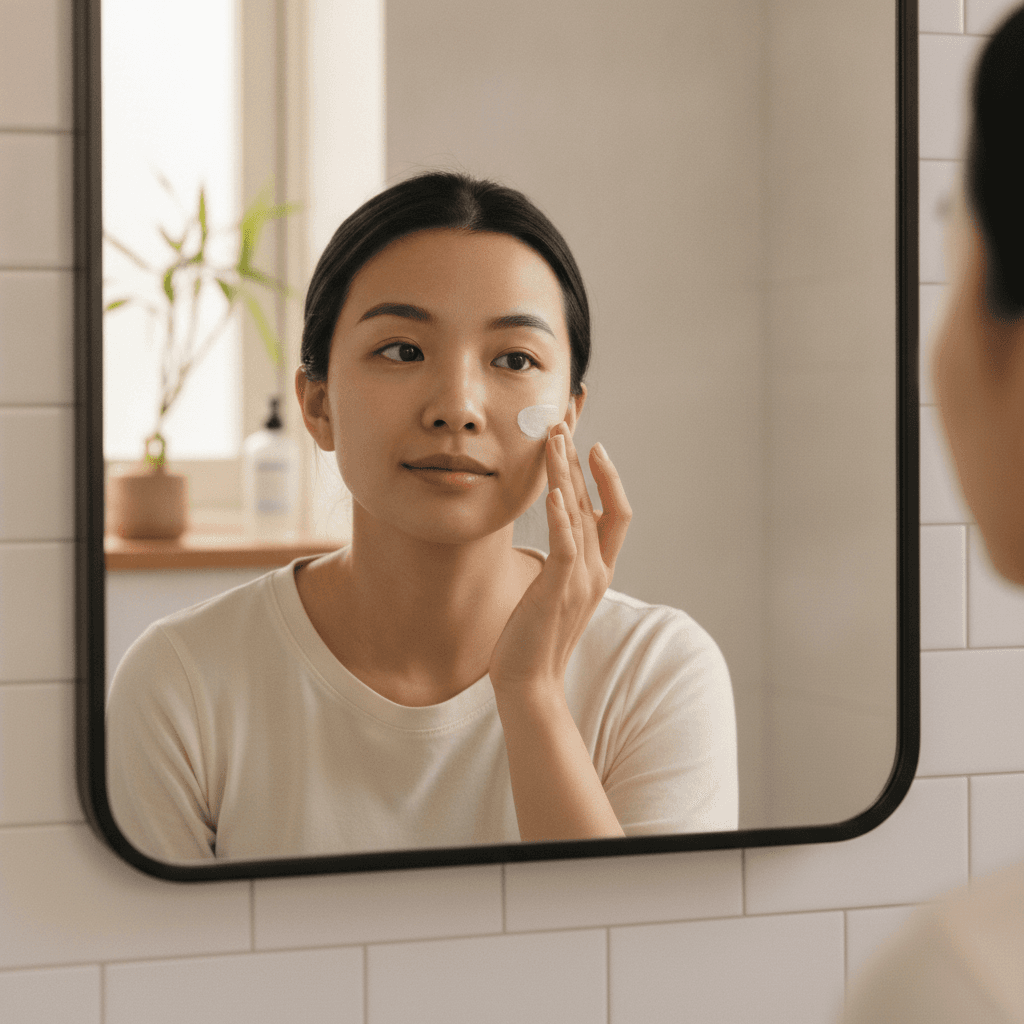
What can you do to help your skin recover well after laser?
According to BonBoz's aftercare instructions:
- Keep the treated area away from water for the first 4 hours after laser toning/fractional laser.
- With fractional laser, let the crusts flake off on their own within 3–7 days; never pick at them.
- Stop Retinol/AHA/BHA/Vitamin C until the skin has finished peeling.
- Use sunscreen regularly and do not use any cosmetics outside your doctor's prescription during treatment.
- Notify your doctor if your skin becomes severely irritated or does not follow the course you were told to expect.
If you are considering laser for acne-prone skin or post-acne marks, start with a consultation on the acne treatment page at BonBoz so the doctor can determine whether laser is the right option for you.
Frequently asked questions
Does laser thin the skin?
Properly indicated laser treatment at a clinic is not intended to thin the skin. According to Dr. Kha, the goal is to treat the skin condition and help the skin look more youthful. The risk comes from using laser for the wrong purpose, which can cause bruising, skin damage, post-inflammatory hyperpigmentation, or hypopigmentation.
Should I be worried about crusting and peeling after laser?
According to BonBoz's instructions, after fractional laser the skin forms dark crusts that flake off on their own within 3–7 days. This is an expected course that you are told about in advance. Do not pick at them, stop Retinol/AHA/BHA/Vitamin C until the skin has finished peeling, and notify your doctor if you experience severe irritation.
What is the difference between getting laser at a spa and at a clinic?
The biggest difference is who prescribes and performs the treatment. Dr. Kha notes that some places use laser without knowing the purpose of that type of laser, leading to bruising, skin damage, post-inflammatory hyperpigmentation, or hypopigmentation. At a clinic, the doctor examines you first and then chooses the laser type according to your treatment goal.
Can I get laser if I have inflamed acne?
Some types of laser with suitable wavelengths can support the treatment of inflamed acne. The doctor will assess the severity of inflammation and the type of acne before deciding whether to use laser.
This content was prepared by the BonBoz Clinic editorial team based on insights shared by Dr. Bui Thi Kim Kha (Specialist Level I), in her short videos and the clinic's care instructions.
This content is for reference only and does not replace an in-person examination and consultation with a doctor.
This article is for reference only and does not replace an in-person examination or a doctor's diagnosis. Actual results vary by individual condition.