
Can chemical peels treat pitted acne scars? Which types of scars are they suitable for?
The Role of Chemical Peels in Acne Scar Treatment: Suitability for Shallow vs. Deep Scars, Key Differences from Lasers/Microneedling/TCA, and Safety Guidelines.
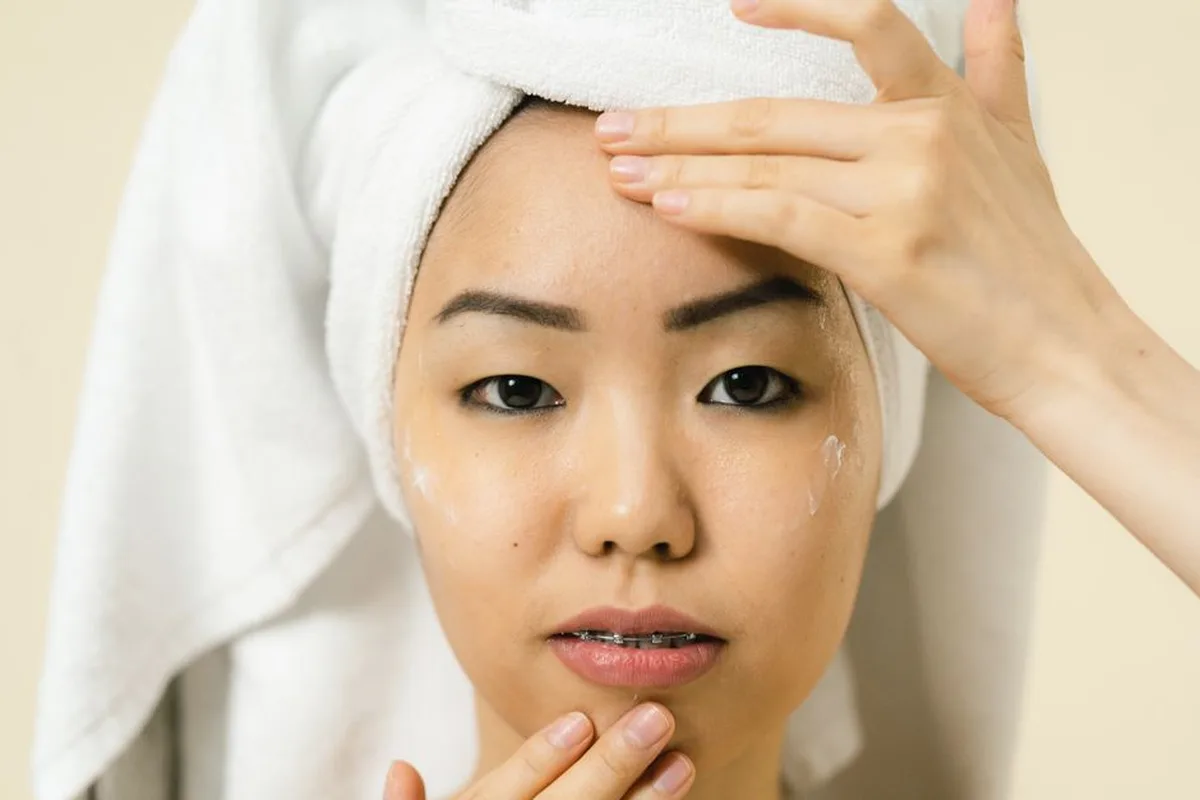
Chemical peeling uses acid solutions at appropriate concentrations to remove the superficial layers of the skin and stimulate the regeneration of new skin. Many people wonder if chemical peels can treat pitted scars — the answer is that peels play a supportive role for shallow scars and improve skin texture, but they are generally not the primary solution for deep pitted scars. Understanding the true role of peels helps you combine treatments appropriately instead of having unrealistic expectations.
How does a chemical peel work?
Chemical peels use acids such as AHA, BHA, or TCA at controlled concentrations to exfoliate the stratum corneum and old skin cells, promoting the regeneration of a more even-toned and smoother skin layer. Depending on the concentration and type of acid, peels range from superficial to deep. For the skin, peels help improve surface texture, even out skin tone, and support issues like dark spots and enlarged pores — but the level of impact on pitted scars depends on the depth of the scars.
Can chemical peels treat pitted scars?
For shallow pitted scars and surface issues like post-acne hyperpigmentation, a suitable peel can contribute to improving skin texture and tone. However, for deep pitted scars such as icepick or deep rolling scars, the root cause lies in the dermis and the underlying fibrous bands, so superficial peels are generally insufficient to fill them. Therefore, peels usually play a supportive or preparatory role, rather than being the primary treatment for deep pitted scars.
How do peels differ from lasers, microneedling, and TCA cross?
The difference lies in the depth of action. Peels primarily act on the surface to regenerate a new skin layer; lasers and microneedling create controlled micro-injuries deeper down to stimulate collagen production at the base of the scar; TCA cross delivers acid directly into individual deep scar beds. In other words, these methods address scars at different skin layers, which is why many treatment plans combine peels with deep-acting modalities to both improve the surface and treat the scar base.
Who is suitable for peels and who should be cautious?
Peels are generally suitable for individuals with surface concerns such as post-acne hyperpigmentation, uneven skin tone, shallow pitted scars, and non-compromised skin. Those with active inflammatory acne, skin infections, a high risk of uncontrolled post-inflammatory hyperpigmentation, or those taking certain medications that affect the skin must be carefully evaluated by a doctor. The concentration and type of peel must be prescribed by a doctor to match the skin condition; patients should not purchase high-concentration peels for self-application.
What should be noted after a chemical peel?
After a peel, the skin usually undergoes mild flaking and becomes more sensitive for a few days; it is essential to hydrate, soothe, and especially apply strict sun protection because new skin is highly susceptible to hyperpigmentation when exposed to sunlight. Do not voluntarily use other strong active ingredients or physical exfoliants during this recovery phase. Adhering to the doctor's post-care instructions ensures smooth recovery and achieves the desired results.
References
- DermNet — Chemical peels, accessed 3 Oct 2026
- DermNet — Acne scarring, accessed 3 Oct 2026
Frequently Asked Questions
Can at-home chemical peels treat pitted scars?
Mild at-home peeling products primarily support surface texture and skin tone, making it difficult to affect deep pitted scars. High-concentration peels must be performed by a doctor; improper self-application can lead to chemical burns and hyperpigmentation.
How many peel sessions are needed to see results?
The number of sessions depends on the type of peel, skin condition, and goals, usually requiring a multi-session treatment course. There is no universal number for everyone, and for deep pitted scars, peels generally need to be combined with other modalities.
Do chemical peels make the skin thinner and weaker?
Peels performed under proper indications and with correct post-care do not weaken the skin but rather support regeneration; however, abusing high-concentration peels or performing them incorrectly can cause damage. Therefore, a doctor's appropriate prescription is required.
If you have pitted scars and want to know how suitable chemical peels are for your condition or which combination of treatments is needed, let a dermatologist analyze your skin and consult on a personalized treatment plan before starting.
This article is for reference only and does not replace an in-person examination or a doctor's diagnosis. Actual results vary by individual condition.