
Thread lifting — thread lift
Thread lifting is a minimally invasive procedure that involves inserting absorbable threads into the subcutaneous tissue using a cannula to lift sagging areas of the cheeks, jawline, and neck while stimulating collagen production; it is suitable for mild to moderate skin laxity and lasts approximately 12 to 18 months. A Mini Facelift is a surgical procedure that involves more extensive dissection, intended for more pronounced excess skin.
Compiled from BonBoz Clinic clinical documentation — currently in medical review
Mechanism
The barbed thread (suspension thread) placed in the subcutaneous fat layer anchors to the tissue and is pulled upwards towards the temples or jawline, lifting sagging areas of the cheeks, smile lines, jawline, and neck. The smooth thread (mesh thread) does not provide a lifting effect but creates a framework that stimulates fibroblasts to produce collagen around the threads, resulting in firmer and thicker skin after 2–3 months. The threads are self-absorbing within 6–12 months; the effects last longer than the threads' lifespan due to the formation of new fibrous tissue.
How far can thread lifting go?
It moderately lifts the mid-cheek area, defines the jawline, slightly reduces smile lines, tightens a small double chin, and improves skin firmness. It cannot replace surgical facelifts when there is significant excess skin, cannot remove excess skin, and does not restore volume (filler may be needed if cheeks are hollow). The realistic expectation is to "turn back a few years" in the lower face, not to achieve surgical facelift results.
How does thread lifting differ from Mini Facelift — and when is surgery necessary?
Thread lifting is a minimally invasive procedure using biocompatible threads to lift tissue and stimulate the skin, requiring no surgery. A Mini Facelift is a surgical procedure involving dissection: the doctor makes a short incision near the ear to tighten the SMAS layer, removes excess skin, and then sutures it — a more invasive approach with clearer and longer-lasting results (several years), but involves an incision, swelling, and bruising for 2–3 weeks, and requires local anesthesia or sedation. Both procedures are performed by Dr. Ths.CKII Nguyễn Xuân Vũ at BonBoz. Opt for surgery over thread lifting when there is noticeable excess skin that can be pinched into folds, visible sagging in the jaw and neck at rest, previous thread lifting results were insufficient or short-lived, or you desire a long-lasting result in one session. Choose thread lifting when there is mild to moderate sagging, the skin still has elasticity, and you are not ready for surgery.
Indications
Mild to moderate sagging in the cheeks, jawline, and neck; individuals aged 35–55 who are not ready for surgery; maintenance after facelift surgery; in combination with HIFU or fillers in an overall rejuvenation plan. The doctor assesses the thickness of the fat tissue (very thin faces may reveal the threads), the degree of sagging, and skin elasticity.
Risks to be aware of
Swelling and bruising for 1–2 weeks, a feeling of tightness and difficulty smiling naturally in the first few weeks, rippling or visible threads under thin skin, asymmetry, tissue displacement, exposed thread ends (requiring trimming), infection (rare), temporary facial nerve branch damage (rare), results not meeting expectations with significant sagging. Most rippling and tightness will soften after 2–4 weeks.
At BonBoz
A specialized plastic surgeon conducts a direct examination, assesses the sagging vector and tissue thickness, and selects the type and number of threads according to the area; clearly communicating when there is significant sagging and thread lifting may not be sufficient. The procedure is performed by the doctor using a cannula under local anesthesia; instructions are given to limit strong facial muscle movement for 2 weeks, and follow-up appointments are scheduled for the first and third months.
Technique variants
1
Smooth threads (mesh)
Non-lifting threads that stimulate collagen production to tighten the skin, used for thin, wrinkled skin, and neck.
2
Barbed threads (anchor)
Lifts sagging tissue in the cheek, jaw, and neck areas; immediate results, lasting 12–18 months depending on the material: Polydioxanone (PDO), Poly-L-lactic acid (PLLA), Polycaprolactone (PCL).
When should you see a doctor?
- Severe skin laxity with deep folds and significant cheek tissue ptosis — a thread lift cannot replace surgery and will yield insufficient results.
- Have undergone multiple thread lifts previously without knowing the specific thread types used, or whether old threads remain in the tissue.
- Currently experiencing active infections in the oral cavity, sinuses, or facial skin inflammation.
- Expecting long-lasting surgical results — understanding the limitations of thread lifts is essential before deciding.
How is it performed?
Local anesthesia is administered along the path of the thread. The doctor marks the lifting vector and creates a small entry point in the temporal area or in front of the ear, then inserts the barbed cannula into the subcutaneous fat layer along the designed direction. After withdrawing the cannula, the thread is gently pulled to lift the tissue and balance both sides, and the thread is cut close to the skin. Smooth threads are placed in a mesh pattern in the area that needs tightening. The procedure lasts 45–90 minutes, after which you can go home immediately.
Before the procedure
Before treatment, an assessment of skin laxity, fat tissue thickness, and skin elasticity will be conducted, along with standardized photography. Patients should discontinue anticoagulants, alcohol, and tobacco for a few days, and ensure there are no skin infections in the treatment area.
After the procedure
- Avoid water for the first 4 hours. - Apply a cold compress for 48 hours. - Lie on your back with a high pillow for 1 week. - Refrain from massaging the area. - Limit loud laughing, hard chewing, steaming, and dental work for 2 weeks. - Swelling and bruising will decrease after 1–2 weeks. - Collagen will significantly increase after 2–3 months. - Schedule follow-up appointments in month 1 and month 3. In week 1, wear the lifting mask continuously. In weeks 2–4, wear it for 10–12 hours a day. Sensations of tightness and mild pain will gradually decrease over 1–4 weeks. Reassess results after 1–2 weeks. Do not attempt to adjust the nose area on your own.
Possible risks — your doctor explains them before treatment
- Swelling and bruising for 1–2 weeks
- Tightness, difficulty smiling naturally for a few weeks
- Rippling or visible suture lines on thin skin
- Asymmetry, tissue displacement on both sides
- Exposed suture ends
- Infection (rare)
- Temporary facial nerve damage (very rare)
Who should NOT have this?
- Excessive sagging skin with noticeable excess skin, indicating the need for a facelift.
- The face appears too thin with minimal fat tissue, making sutures more visible.
- Currently experiencing skin inflammation with multiple areas of inflammatory acne.
- Coagulation disorders and active autoimmune disease are present.
- Expecting results similar to those of facelift surgery.
How BonBoz uses it
Thread Lift & Mini Facelift
Service Page: Specialist consultation, customized treatment planning, and transparent cost estimation prior to your decision.
Learn about this method →Want a cost range for your own case?
Estimate the cost →Cost guidance
Costs vary depending on the treatment area, the type of threads used, and the quantity required for your specific case; procedures requiring deeper intervention than a thread lift will have significantly different pricing. The physician will provide an accurate quote following a direct consultation.
The final price follows the doctor’s recommendation after an in-person exam. A confirmed quote has no hidden extras.
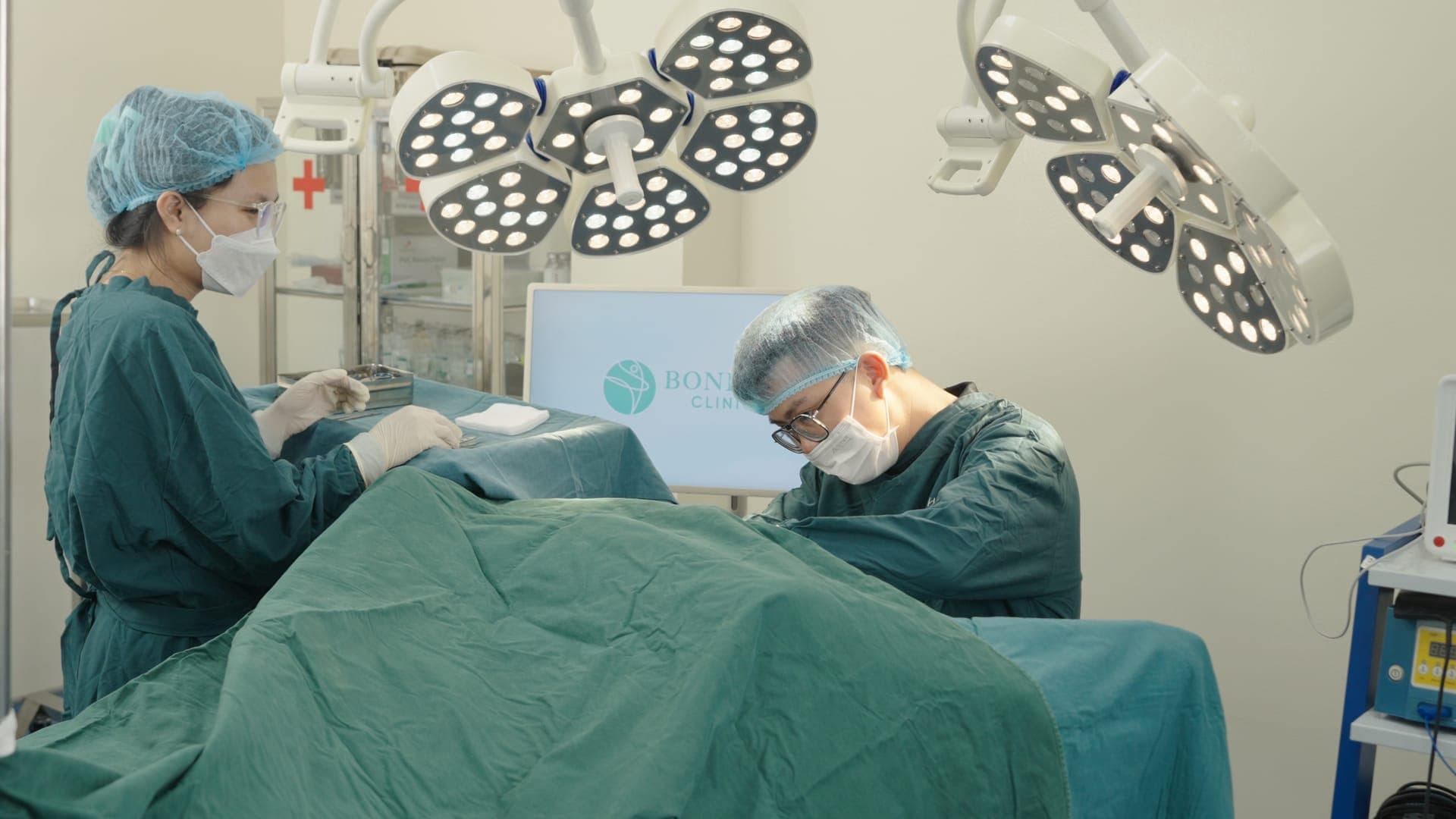
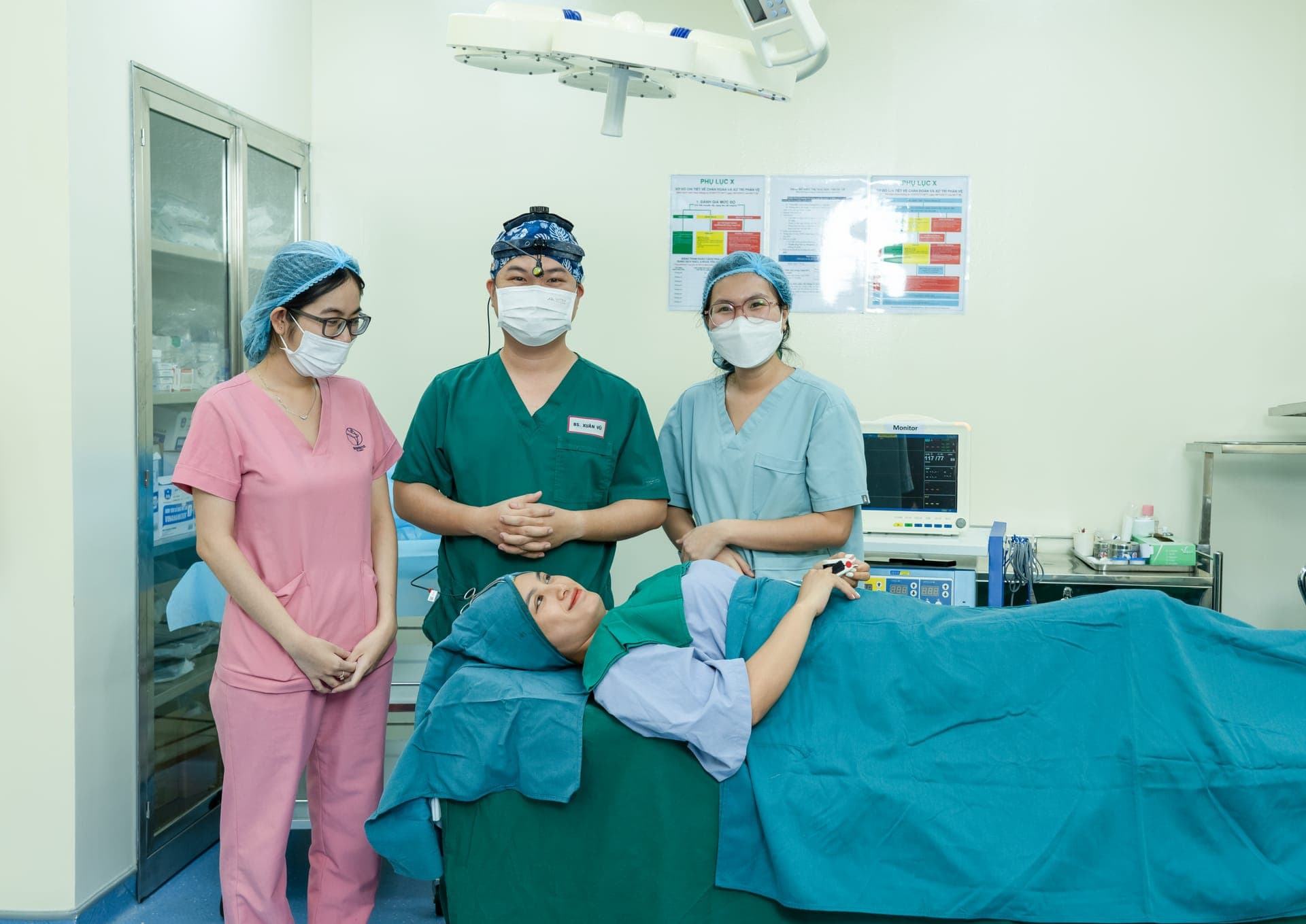
Inside the BonBoz clinic

Book a consultation with a doctor
Choose a date, time slot and doctor — the clinic calls to confirm within 5 minutes during opening hours. Free consultation, no commitment.
Frequently asked questions
How long does thread lifting last?
Is thread lifting painful?
Will my face feel stiff, and will my smile look unnatural?
How is thread lifting different from HIFU?
Can I have thread lifting if I have a lot of sagging skin?
Is it a problem if I can feel the threads under my skin?
What age is suitable for thread lifting?
Can I have laser or Botox after thread lifting?
Related topics
- Thread Lift and Mini Facelift Costs: Price Range by Treatment Area
- HA Dermal Fillers: Mechanism of Action, Treatment Areas, G-Prime Selection, Vascular Safety, and Hyaluronidase
- Deep smile lines, sunken cheeks, and a gaunt face: age-related volume loss and restoration with dermal fillers or autologous fat grafting
- Non-invasive HIFU skin lifting: mechanism, actual efficacy, and suitable candidates
- Sagging, Lax Facial Skin: When Is a Thread Lift Enough, and When Is a Surgical Facelift Needed?
More from our doctors
What are the differences between thread lift types (PDO, PLLA, collagen, and barbed threads)?
There are various types of threads used in a thread lift, each with its own unique characteristics. Understanding the differences between these skin-lifting threads allows you to discuss with your doctor and choose the most suitable option for your skin condition and aesthetic goals.
Which areas of the face benefit most from a thread lift for skin sagging?
A thread lift does not improve every area equally; results vary depending on the treatment area and the degree of skin laxity. Understanding which areas are best suited for a thread lift helps you set realistic expectations and consult more effectively with your doctor.
At what stage of sagging is a thread lift no longer enough, requiring a surgical facelift?
Thread lifts are suitable for a certain degree of sagging; when there is significant skin laxity, a thread lift alone may not be sufficient. Understanding when to consider a surgical facelift helps you set realistic expectations and discuss your options with your doctor.
Is a Facial Thread Lift Dangerous? Complications You Need to Know
A facial thread lift is safe when performed at a reputable clinic by an experienced physician. While complications are rare, understanding them is essential to making an informed decision.