
Freckles and brown spots
Freckles are small brown spots measuring 1–3 mm scattered across the cheeks and nose; they typically appear in childhood and darken during sunny seasons. Sun spots (solar lentigines) are well-defined, round patches measuring 5–15 mm that appear after age 35–40 on sun-exposed areas. Unlike melasma, both conditions usually respond well to pigment laser treatments within a few sessions, paired with proper sun protection to prevent recurrence.
Compiled from BonBoz Clinic clinical documentation — currently in medical review
Freckles, Sun Spots, and Melasma: Three Different Conditions
Freckles (ephelides): small, numerous spots with a genetic component that darken and lighten with the seasons. Sun spots (solar lentigines): round or oval patches with well-defined borders that do not change with the seasons, progressively increasing with age on the face, backs of the hands, and shoulders. Melasma: large patches with ill-defined borders, symmetrically distributed, hormonally driven, prone to recurrence, and highly sensitive to improper laser treatment. To the naked eye, these conditions are easily confused—especially when they co-exist. A professional skin analysis helps differentiate them.
Why Must They Be Differentiated Before Laser Treatment?
Freckles and sun spots are localized epidermal pigments that respond well to Q-switched lasers at energy levels sufficient to shatter the pigment; melasma, on the other hand, requires low-fluence energy delivered over multiple sessions. Applying "sun spot" parameters to an area of melasma can trigger a severe flare-up and cause the pigmentation to spread. This is a common mistake when undergoing laser treatments without a prior medical consultation by a doctor.
What Makes Freckles and Sun Spots Darker?
Sun exposure—almost exclusively. Without adequate sun protection post-laser, new spots will form and old ones will return. Certain photosensitizing medications and the natural aging process also contribute.
When Should You Avoid Laser Treatment?
When a spot changes color, has irregular borders, grows rapidly, itches, or bleeds—a dermatologist must examine it to rule out malignancy before any cosmetic procedure is performed. Treatment should also be postponed if the skin is currently sunburned, if you are on high-dose retinoids, or if active melasma is present.
What BonBoz Does
Our dermatologists conduct a thorough skin analysis to distinguish freckles, sun spots, melasma, and any suspicious lesions that must be ruled out; customize laser parameters tailored to each specific condition; and prescribe post-laser sun protection along with supportive topicals to minimize the risk of post-inflammatory hyperpigmentation (PIH). The number of sessions required is typically fewer than that for melasma, but our doctors will clearly communicate the risk of recurrence if proper sun protection is not maintained.
Severity levels
1
Mild, scattered freckles
Small spots on the cheeks and nose. Pigment laser for 1–3 sessions + sun protection; noticeably fades, but may recur seasonally.
2
Sun spots, a few lesions
Well-defined patches on the cheekbones, temples, and back of the hands. Responds well to laser after 1–2 sessions, with minor flaking/scabbing for a few days.
3
Multiple spots mixed with melasma
Requires zoned treatment with varying parameters; longer treatment plan, prioritizing not triggering or worsening melasma.
4
Abnormal spots
Discoloration, irregular borders, rapid growth — requires prior medical evaluation for rule-out; do not proceed with cosmetic procedures immediately.
When should you see a doctor?
- A spot changes in color, shape, or grows rapidly within a few months.
- A spot is itchy, bleeds, or scabs over and does not heal.
- You are unsure whether you have freckles, sun spots (age spots), or melasma — each requires different laser settings.
- Spots quickly darken again after receiving laser treatment elsewhere.
How BonBoz treats it
Q-switched Pigment Laser (Pastelle)
Breaks down localized pigmentation of freckles and brown spots; customized parameters based on prior skin analysis.
Learn about this method →Post-laser Care + Sun Protection
Soothing topical medications and broad-spectrum sunscreen to prevent post-inflammatory hyperpigmentation (PIH) and minimize recurrence.
Learn about this method →Examination to Rule Out Atypical Lesions
A mandatory step for lesions with discoloration or irregular borders before any cosmetic procedure.
Learn about this method →Want a cost range for your own case?
Estimate the cost →Cost guidance
Pigmentation laser treatments are priced per session, typically requiring fewer sessions than melasma treatments. The doctor will specify the number of sessions following a skin analysis; reference ranges are available in our cost estimator tool.
The final price follows the doctor’s recommendation after an in-person exam. A confirmed quote has no hidden extras.
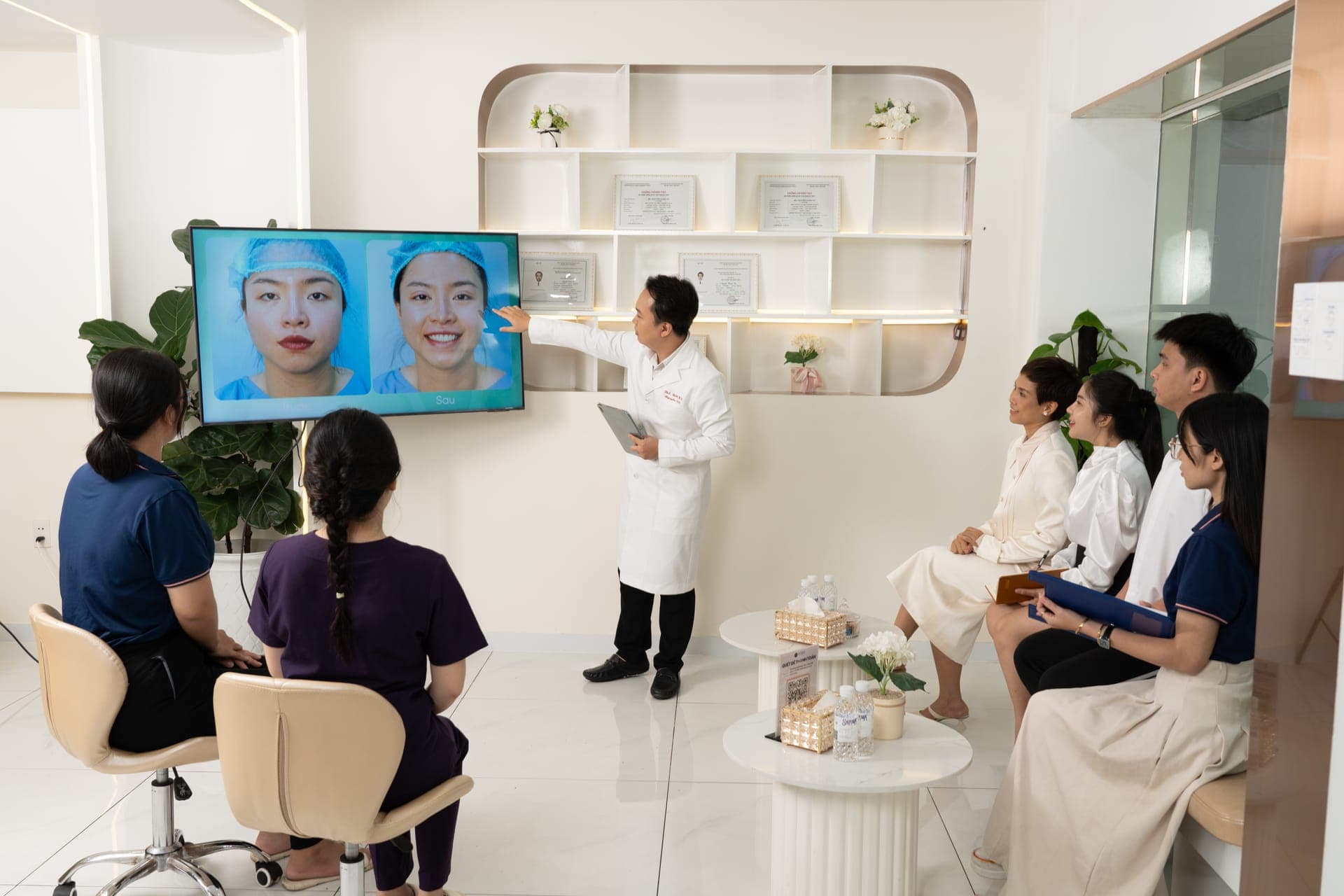
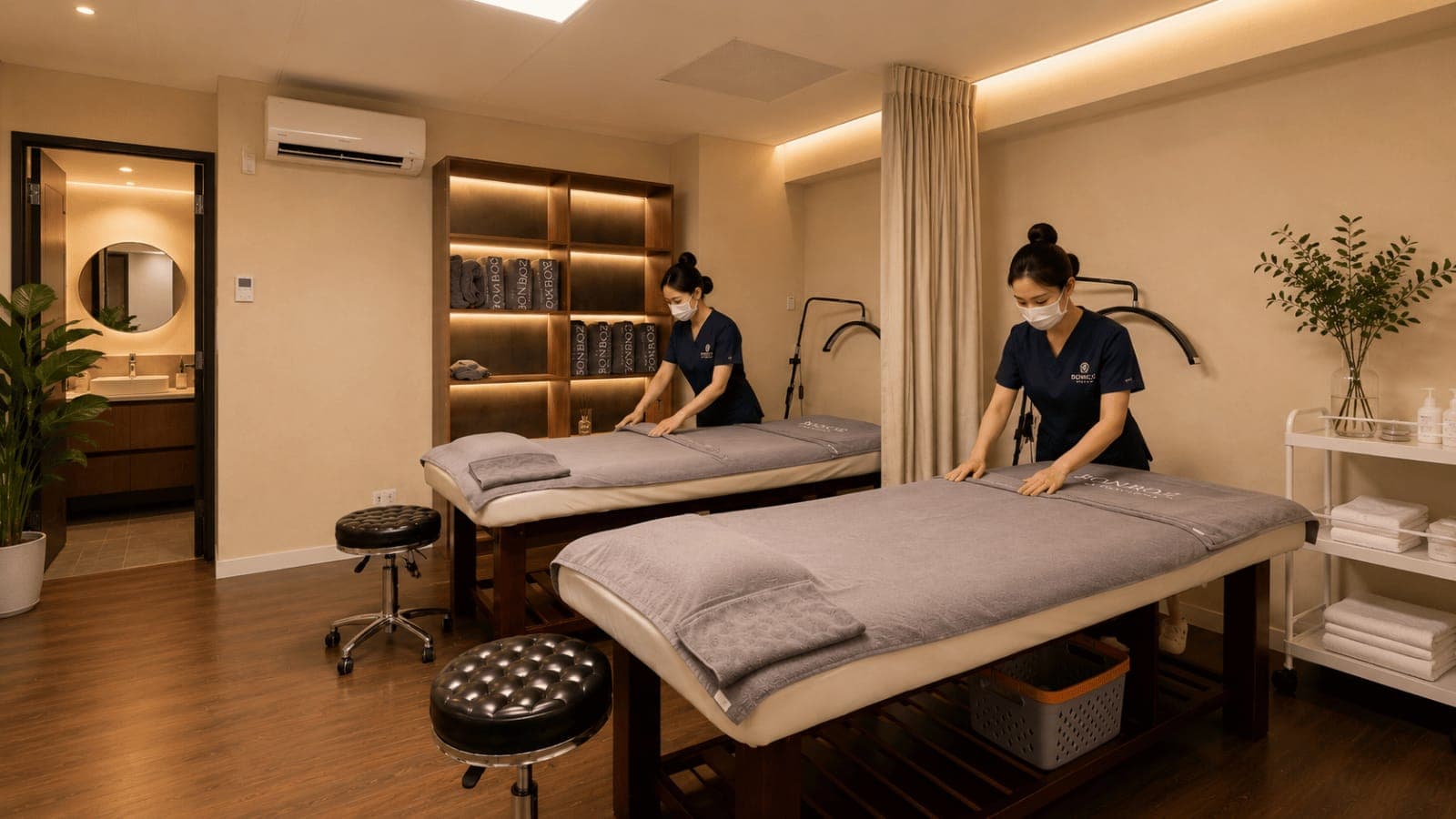
Inside the BonBoz clinic

Book a consultation with a doctor
Choose a date, time slot and doctor — the clinic calls to confirm within 5 minutes during opening hours. Free consultation, no commitment.
Frequently asked questions
Can freckles be completely removed?
Is laser treatment for brown spots painful?
How many sessions are needed?
What should be avoided after laser treatment?
Can laser treatment cause hyperpigmentation?
Are freckle creams effective?
Can brown spots on the back of the hands be treated?
Should children with freckles undergo laser treatment?
Which brown spots should be a cause for concern?
Can melasma and freckles be treated in the same session?
Related topics
- PRP (Platelet-Rich Plasma) Cost: Price Range Reference
- Mesotherapy and Skin Booster Costs: Price per Session and Treatment
- Dermal Filler Cost by Treatment Area: Price per cc and Key Factors
- Botox Cost by Area: Reference Price Range
- BAP (Bio Aesthetic Points) Technique with Skin-Restructuring HA: 5 Points per Side of the Face, Mechanism of Action, and Ideal Candidates
- Mesotherapy (Micro-injections of Active Ingredients): Mechanism of Action, Common Ingredients, Treatment Protocol, and Limitations
More from our doctors
Melasma, Freckles, and Brown Spots: Understanding the Causes and How to Tell Them Apart
Melasma, freckles, and brown spots are often confused despite having distinct characteristics. Understanding their causes and key differences helps you identify your skin condition and communicate effectively with your doctor.
Post-Acne Hyperpigmentation (PIH) vs. Atrophic Acne Scars: How to Tell the Difference and Treatment Approaches for Each Type
Post-inflammatory hyperpigmentation (PIH) is a flat pigmentary disorder on the skin, while atrophic acne scars are areas of collagen loss—their differentiation and treatment approaches are entirely different.
Men's Basic Skincare Routine: Where to Start?
Many men want to take care of their skin but are unsure where to start. Understanding the basic steps and essential tips helps men build a simple, effective, and sustainable skincare routine.