
Failed Rhinoplasty Correction — Revision Rhinoplasty
A failed rhinoplasty occurs when the primary procedure results in deviation, visible implant outlines, tip redness, contracture causing a shortened and upturned nose, chronic inflammation, or breathing difficulties. Revision surgery is significantly more challenging than primary rhinoplasty due to scar tissue formation and potential cartilage deficiency; patients typically need to wait at least 6 months, unless immediate intervention is required for complications such as infection or cartilage extrusion.
Compiled from BonBoz Clinic clinical documentation — currently in medical review
Common Types of Rhinoplasty Complications and Deformities
A deviated bridge or tip; visible implant edges under thin skin; tip erythema (redness) due to excessive tension; capsular contracture leading to a shortened, upturned nose; an unnaturally bulbous or overly sharp tip; persistent inflammation and drainage; breathing difficulties caused by compromised septal or alar support. Some are acute medical complications requiring early intervention (infection, implant extrusion); others are suboptimal aesthetic outcomes that can wait for revision.
Why Is Revision Rhinoplasty More Complex Than Primary Surgery?
The presence of scar tissue makes tissue dissection far more challenging, skin thickness is altered, and septal or ear cartilage may have already been harvested in previous procedures; additionally, the nasal tip skin is often thinned from prolonged tension. The surgeon must simultaneously remove the old graft material, reconstruct the structural framework using autologous cartilage (frequently costal/rib cartilage when septal and auricular sources are depleted), and address compromised skin. Operating time, recovery duration, and surgical difficulty are all significantly higher.
When to Wait and When to Intervene Immediately
Waiting at least 6 months, and ideally 9–12 months, allows swelling to resolve and scar tissue to soften—performing revision surgery on chronically inflamed tissue often leads to suboptimal results and increases the risk of complications. Conversely, acute infections, impending or active implant extrusion, and skin necrosis are emergencies that require prompt intervention (implant removal and medical treatment) before structural reconstruction can be considered at a later stage.
Setting Realistic Expectations
Revision rhinoplasty can dramatically improve both nasal aesthetics and airway function. However, compromised skin quality and cartilage depletion inherently impose structural limits: not every damaged nose can be restored to look "as if it were never operated on." A truly skilled surgeon clearly outlines these limitations beforehand, rather than making overambitious promises.
The BonBoz Approach
A Plastic and Reconstructive Surgeon conducts a thorough, in-person consultation, taking a detailed history of your previous surgeries (techniques used, graft materials, timeline), while evaluating your skin envelope, remaining cartilage supply, and airway patency; diagnostic imaging may also be requested. Based on these findings, we will discuss a tailored reconstructive plan (often structural rhinoplasty using costal cartilage), the optimal surgical timing, the specific risks of revision surgery, and what can realistically be achieved. If the nasal tissues are not yet ready, our surgeons will schedule follow-up evaluations rather than rushing into surgery prematurely.
Severity levels
1
Aesthetic dissatisfaction with stable tissue
Mild deviation, suboptimal nasal tip, no inflammation. Wait the full 6–12 months before proceeding with planned revision surgery.
2
Visible deformity, thin and tight skin
Implant visibility, redness/shining skin, capsular contracture. Usually requires implant removal, autologous reconstruction (rib cartilage), and possible skin/dermal grafting.
3
Complications requiring early intervention
Infection, drainage/discharge, cartilage exposure, skin necrosis. Immediate medical treatment is required; aesthetic reconstruction is deferred to a later stage.
When should you see a doctor?
- Red, shiny nasal tip with stretched, thinning skin and visible implant outline — risk of implant extrusion.
- Swelling, pain, or fluid discharge lasting over 2 weeks or recurring — suspected infection.
- Noticeably crooked nose or progressive tip upturning/shortening over time.
- Difficulty breathing through one or both nostrils following rhinoplasty.
How BonBoz treats it
In-depth revision assessment
Evaluation of skin envelope, remaining cartilage, airway function, and surgical history; determining whether to wait or operate, and selecting the optimal surgical approach.
Learn about this method →Structural rhinoplasty with rib cartilage
Removal of previous implants and total framework reconstruction using autologous cartilage — the gold standard technique for revision rhinoplasty.
Learn about this method →Early complication management
Implant removal, infection control, and soft tissue/skin management prior to secondary reconstruction.
Learn about this method →Want a cost range for your own case?
Estimate the cost →Cost guidance
Revision surgery is typically more costly than the primary procedure due to the need for implant removal, rib cartilage harvesting, and structural reconstruction. The doctor will provide an exact quote following an in-person consultation; a reference price range for structural rhinoplasty is available in our cost estimation tool—revision cases may exceed this range.
The final price follows the doctor’s recommendation after an in-person exam. A confirmed quote has no hidden extras.
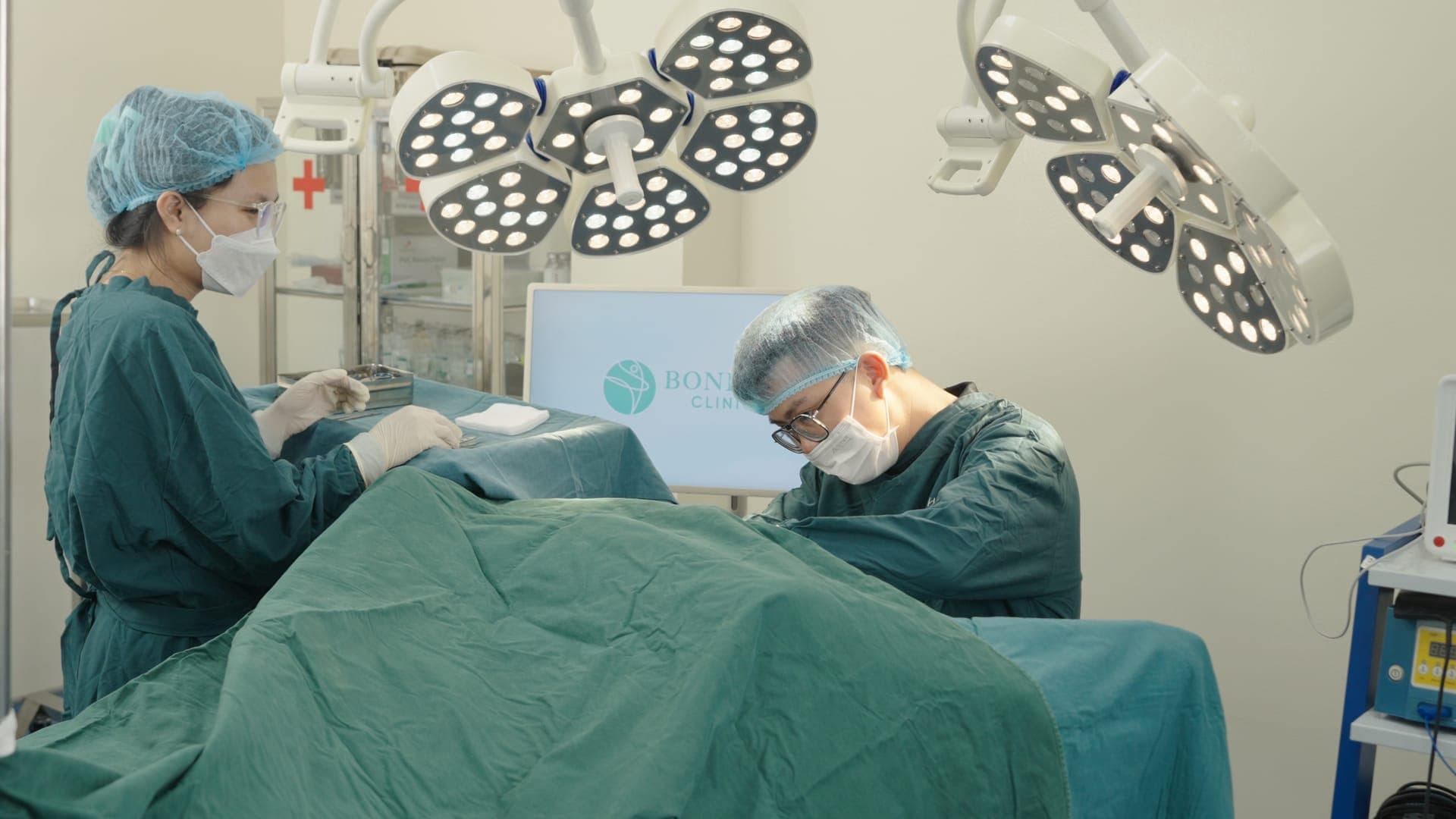
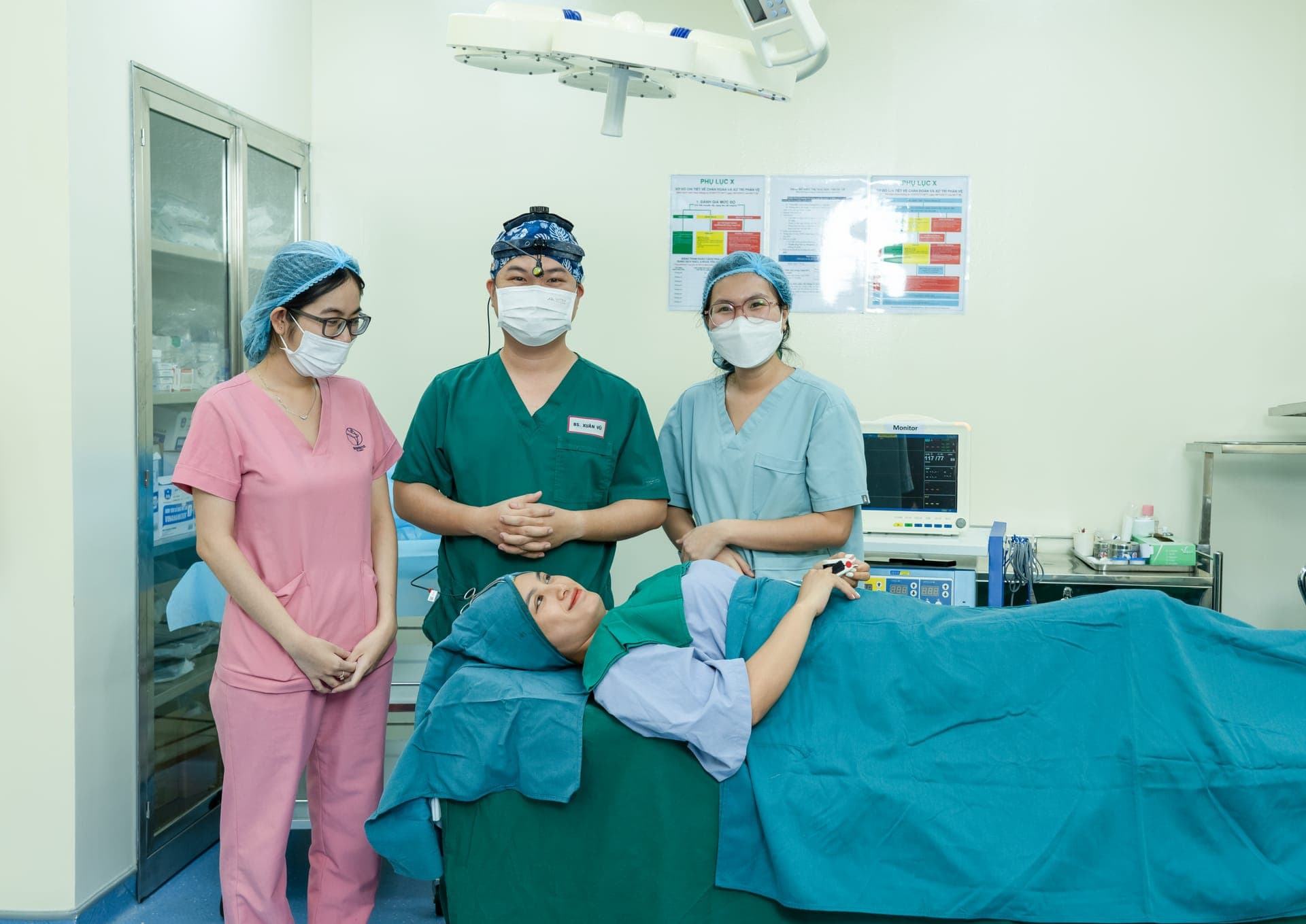
Inside the BonBoz clinic

Book a consultation with a doctor
Choose a date, time slot and doctor — the clinic calls to confirm within 5 minutes during opening hours. Free consultation, no commitment.
Frequently asked questions
How soon after the primary rhinoplasty can revision surgery be performed?
Can synthetic implants be used in revision rhinoplasty?
Is rib cartilage harvesting painful, and does it leave a scar?
Is a good aesthetic outcome guaranteed after revision?
Will a red, shiny nasal tip resolve on its own?
How long does recovery take after revision rhinoplasty?
Should I have the revision done at the clinic that performed the original surgery?
What causes breathing difficulties after rhinoplasty?
Will I need a third surgery after this revision?
Who performs the surgery at BonBoz?
Related topics
- Cost of Full Structural Rhinoplasty: Reference Price Range
- Semi-Structural Rhinoplasty Cost: Price Range and Cost-Affecting Factors
- Cost of Rhinoplasty with Cartilage-Wrapped Tip: Price Range and Key Factors
- Autologous Costal Cartilage Rhinoplasty: Indications, Pros, Cons, and the Cartilage Harvesting Procedure
- Nasal Wing Reduction (Alar Plasty): Techniques, Who Needs It, Incision Locations, and Risks of Asymmetrical Nostrils
- Revision Rhinoplasty (Secondary Rhinoplasty): When It Is Needed, Why It Is More Challenging, and the Procedure at BonBoz
More from our doctors
Revision Rhinoplasty for Failed Previous Surgery: What You Need to Know Before Making a Decision
Revision rhinoplasty after a failed procedure requires adequate waiting time, choosing a highly qualified surgeon, and clearly understanding the corrective techniques to achieve optimal results.
What Causes a Red, Shiny Nose Tip and Exposed Implant After Rhinoplasty? How to Prevent It
Causes of redness and exposed implants at the nasal tip after rhinoplasty, who is most susceptible, preventive techniques, and when to seek medical attention.
Deviated Nose After Rhinoplasty: Warning Signs Requiring Immediate Medical Attention
After rhinoplasty, if you notice nasal deviation, abnormal swelling, or asymmetry, contact your doctor immediately for an evaluation.
How long does a rhinoplasty last? When is a revision needed?
Longevity of Rhinoplasty Results: Influencing Factors, When Revision is Needed, and How to Maintain Long-Lasting Results.
Rib Cartilage vs. Ear Cartilage Rhinoplasty: Detailed Pros and Cons of Each Technique
Both rib cartilage and ear cartilage are autologous materials used in rhinoplasty. Rib cartilage offers greater long-term durability, while ear cartilage is easier to harvest. Choosing the right option depends on your aesthetic goals and individual nasal anatomy.
Does rhinoplasty affect breathing or the sense of smell?
How rhinoplasty affects breathing and the sense of smell, when to pay attention to nasal function, and how to ensure peace of mind.