
Deviated nose after rhinoplasty
Nasal deviation following rhinoplasty can be attributed to two possibilities: temporary asymmetry due to uneven swelling during the first 2–4 weeks, which resolves on its own once the swelling subsides; or true deviation caused by implant shifting, cartilage graft warping, trauma, or improper splinting. True deviation detected within the first 1–2 weeks can be manually realigned and re-splinted; if detected later, revision surgery must wait until the tissues have stabilized.
Compiled from BonBoz Clinic clinical documentation — currently in medical review
Swelling Asymmetry or True Deviation?
Post-operative swelling is rarely symmetrical on both sides, which is why your nose will almost always look slightly crooked during the first week—this is completely normal and something your surgeon will have mentioned beforehand. True deviation, on the other hand, presents as a visibly misaligned nasal bridge axis when viewed from below, a palpable tilt of the implant, or a nasal tip rotated to one side that does not improve as swelling subsides.
Causes of True Deviation
Implant displacement when the surgical pocket is too wide or due to early accidental impact; cartilage graft warping over time (costal cartilage has this tendency if not properly carved and handled); premature splint removal or splint displacement; sleeping on your side with pressure on the nose or wearing heavy eyeglasses during the first month; and pre-existing bony/cartilaginous framework deviation that was not fully corrected during the initial surgery.
Why Should You Contact Your Doctor Early?
During the first 1–2 weeks, before the tissues have fully adhered and healed, your doctor can manually adjust the alignment and re-splint the nose without the need for surgery. After 4–6 weeks, the materials become firmly integrated into the surrounding tissue, and manual manipulation is no longer effective; at that point, you must wait about 6 months for the tissue to stabilize before undergoing revision surgery. Do not attempt to self-adjust your nose or adopt a 'wait and see' approach for too long.
What You Can Do to Minimize the Risk of Deviation
Keep the nasal splint on for the exact duration instructed by your doctor, sleep on your back with your head elevated for 2–4 weeks, avoid wearing eyeglasses that rest on the nasal bridge for at least 4–6 weeks, avoid accidental impacts and prolonged head-down posture, and attend all scheduled follow-up visits so your doctor can evaluate the nasal axis.
What BonBoz Does
Our doctors examine you promptly as soon as you report any concern of deviation: distinguishing between swelling asymmetry and true deviation, readjusting the splint or performing manual alignment if you are still within the golden window, or establishing a monitoring and revision plan once the tissues stabilize. Every rhinoplasty case at BonBoz includes a structured follow-up schedule to catch any such issues early.
Severity levels
1
Swelling-induced asymmetry (Weeks 1–4)
Uneven swelling on both sides; nasal bridge axis remains straight upon palpation. Continue monitoring, keep the splint in place, and attend follow-up visits as scheduled.
2
Early-detected mild deviation (≤2 weeks)
Mild bridge deviation; tissues have not yet fully adhered. Can be manually adjusted and re-splinted at the clinic.
3
Pronounced, late-detected deviation
Visible axis deviation after swelling subsides. Wait for tissues to stabilize (6 months) before revision surgery—often combined with structural framework correction.
When should you see a doctor?
- After 4 weeks, swelling has subsided, but the nose remains visibly deviated when viewed from below.
- You can feel a tilted nasal bridge or an uneven bump on one side.
- Your nose has recently sustained an impact, or you notice the splint has shifted or come off prematurely.
- Deviation accompanied by pain, redness, and warmth—infection must be ruled out.
How BonBoz treats it
Early Follow-Up and Realignment
Within the first 1–2 weeks, manual realignment and re-splinting can be performed at the clinic if the tissues have not yet fully adhered.
Learn about this method →Surgical Revision After Tissue Stabilization
Repositioning the implant, adjusting the framework, or replacing it with autologous cartilage, depending on the underlying cause.
Learn about this method →Post-Op Care Instructions to Prevent Displacement
Splinting, sleeping positions, eyewear use, and avoiding impacts — the doctor provides specific instructions after each procedure.
Learn about this method →Want a cost range for your own case?
Estimate the cost →Cost guidance
Early adjustments during scheduled follow-up visits are included at no extra charge for rhinoplasty procedures performed at BonBoz. Surgical correction for deviation after the nose has fully stabilized is treated as revision surgery — the doctor will provide details following an examination.
The final price follows the doctor’s recommendation after an in-person exam. A confirmed quote has no hidden extras.
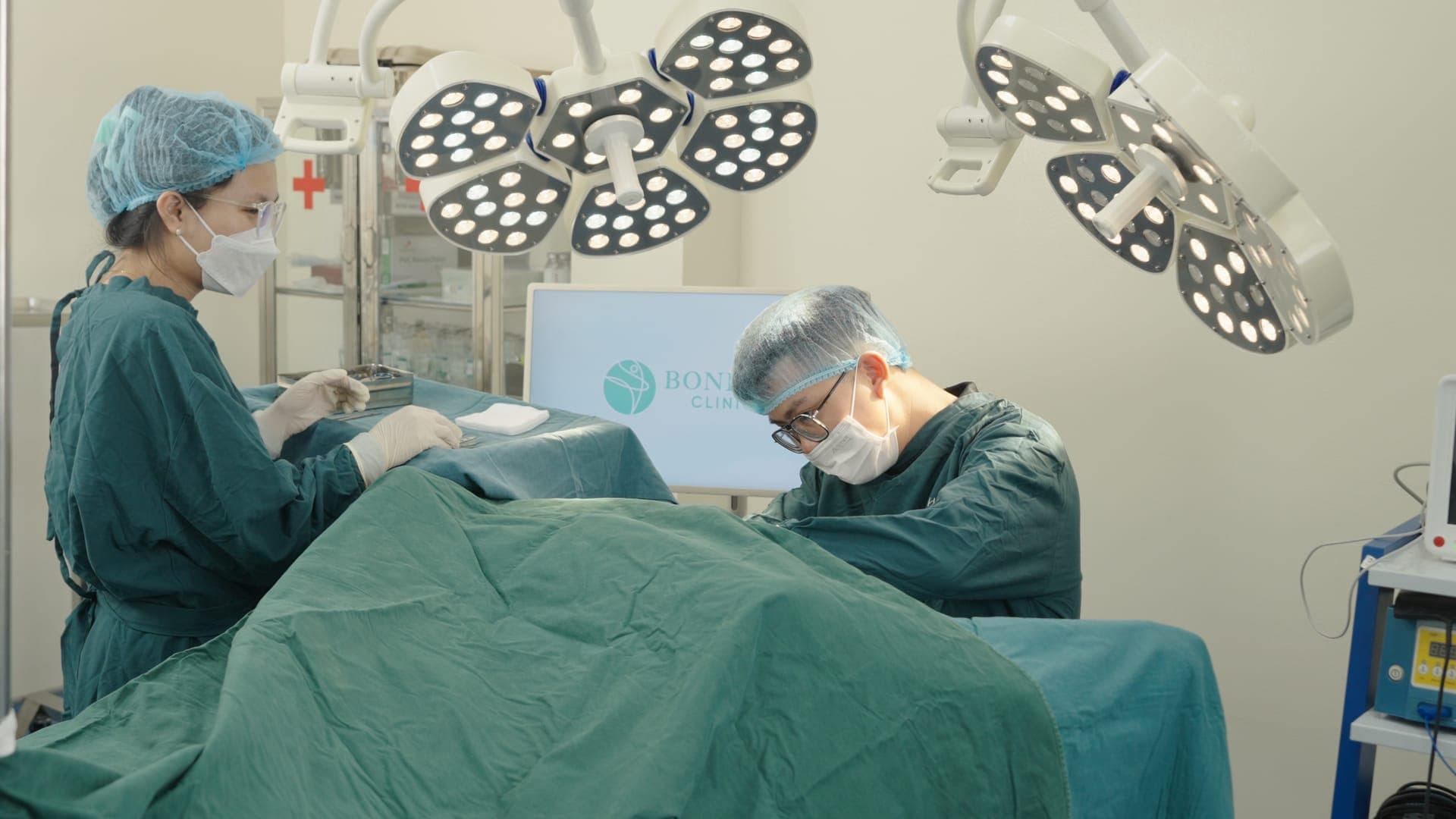
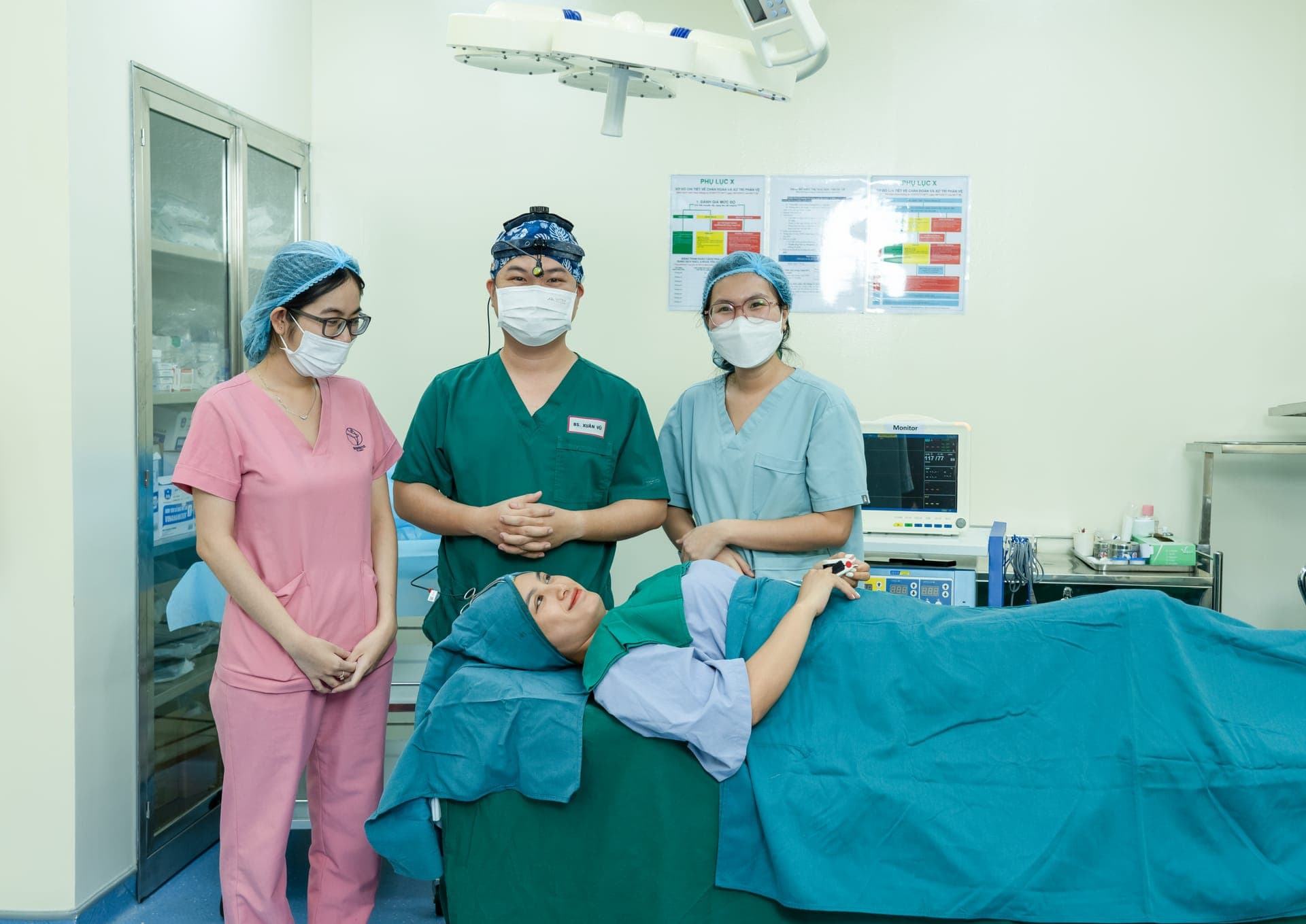
Inside the BonBoz clinic

Book a consultation with a doctor
Choose a date, time slot and doctor — the clinic calls to confirm within 5 minutes during opening hours. Free consultation, no commitment.
Frequently asked questions
How long does swelling-induced asymmetry last after rhinoplasty?
Can I massage my nose at home?
When can I wear glasses after rhinoplasty?
Can sleeping on my side cause my nose to become crooked?
Can rib cartilage warp?
Can a crooked nose affect breathing?
Does correcting asymmetry require removing all materials?
Does mild asymmetry require revision surgery?
How long after rhinoplasty can the final shape be assessed?
Who handles follow-up at BonBoz?
Related topics
- Cost of Full Structural Rhinoplasty: Reference Price Range
- Semi-Structural Rhinoplasty Cost: Price Range and Cost-Affecting Factors
- Cost of Rhinoplasty with Cartilage-Wrapped Tip: Price Range and Key Factors
- Autologous Costal Cartilage Rhinoplasty: Indications, Pros, Cons, and the Cartilage Harvesting Procedure
- Nasal Wing Reduction (Alar Plasty): Techniques, Who Needs It, Incision Locations, and Risks of Asymmetrical Nostrils
- Revision Rhinoplasty (Secondary Rhinoplasty): When It Is Needed, Why It Is More Challenging, and the Procedure at BonBoz
More from our doctors
Deviated Nose After Rhinoplasty: Warning Signs Requiring Immediate Medical Attention
After rhinoplasty, if you notice nasal deviation, abnormal swelling, or asymmetry, contact your doctor immediately for an evaluation.
Signs of a Deviated Nose After Rhinoplasty Requiring Immediate Follow-Up
If you notice your nose is crooked, asymmetrical, or different from your expected results after rhinoplasty, please contact us immediately for a follow-up examination.
How Long Does Swelling Last After Rhinoplasty? Key Recovery Milestones You Need to Know
Following rhinoplasty, swelling typically lasts from several days to a few weeks depending on the extent of the procedure. The first ten days are the period of peak swelling, after which it gradually subsides.
How Long After Rhinoplasty Can You Wear Makeup and Glasses? A Detailed Guide
You can apply light makeup after 2–3 weeks, but you should avoid wearing glasses for the entire first month as instructed by the clinic. However, you must strictly follow your doctor's instructions to avoid compromising the surgical outcome.
What foods and activities should you avoid after rhinoplasty, and for how long?
Post-rhinoplasty dietary and activity restrictions, recovery timelines, and warning signs requiring prompt medical evaluation.