
Short, upturned nose with exposed nostrils
A short, upturned (pug) nose occurs when the nasal tip is excessively rotated upward and the nasolabial angle is overly obtuse, making the nostrils clearly visible from a frontal view. The causes are a congenitally short nasal septum and columella, or capsular contracture and tissue retraction following a previous rhinoplasty. This is corrected by building the columellar strut and extending the caudal septum using autologous cartilage to derotate the nasal tip downward—typically through structural rhinoplasty.
Compiled from BonBoz Clinic clinical documentation — currently in medical review
What Defines a Short, Upturned Nose?
Surgeons assess this by measuring the nasolabial angle (the angle between the columella and the upper lip). In Asians, this angle typically ranges from 90 to 100 degrees. When it exceeds this range, the nasal tip rotates upward, making the nose appear short and exposing the nostrils from a frontal view. This is commonly referred to as an "upturned nose," "exposed nostrils," or a "piggy nose."
Common Causes
Congenital: A short nasal septum and lower lateral cartilages, combined with a weak columella, leave the nasal tip without sufficient structural support to project downward. Post-surgical: This is a more concerning category—long-term synthetic implants, infections, or capsular contracture (scar tissue contraction) cause the skin of the nasal tip to gradually retract. Over time, the nose becomes increasingly upturned, sometimes accompanied by redness and skin thinning. This condition is known as a contracted nose and requires prompt medical attention.
Why Is Lengthening a Nose More Challenging Than Heightening It?
Augmentation simply requires placing an implant along the nasal dorsum. Lengthening, however, demands the construction of an entirely new anterior structural framework—typically using autologous septal, ear, or costal (rib) cartilage to create a columellar strut and a septal extension graft—to counter-rotate the nasal tip downward and secure it in place. The primary limiting factor is the skin envelope: the tip skin can only stretch to a certain degree. Over-lengthening leads to excessive skin tension, thinning, graft visibility, or compromised blood circulation (ischemia). Therefore, the surgeon must always balance the desired aesthetic length with the physiological elasticity of the patient's skin.
Realistic Expectations
Congenital short nose with good skin elasticity: Significant lengthening can be achieved in a single procedure, bringing the nasolabial angle into a harmonious range. Post-surgical contracted nose: Due to fibrotic scar tissue, lengthening must be performed incrementally and may sometimes require a two-stage approach. The primary goal is restoring a natural anatomical contour rather than achieving an excessively long nasal tip.
The BonBoz Approach to Short, Upturned Noses
A board-certified plastic surgeon will directly examine your nose, measure the nasolabial angle, assess skin elasticity, evaluate septal integrity, and review your surgical history. For congenital cases, the standard approach is structural rhinoplasty using autologous cartilage for columellar support and septal extension. For contracted noses, the priority is removing old implant materials, thoroughly releasing fibrotic scar tissue, utilizing rib cartilage when necessary, and clearly explaining the possibility of a two-stage procedure. The consulting surgeon is the one who performs your surgery, ensuring all potential risks and recovery timelines are thoroughly discussed before you make your decision.
Severity levels
1
Mild — Nasolabial angle of 100–105 degrees
The nasal tip is slightly upturned with minimal nostril show. Autologous cartilage tip grafting and minor columellar adjustments may be sufficient.
2
Moderate — Nasolabial angle of 105–115 degrees
Nostril show is clearly visible from the frontal view, and the nose appears short. Requires columellar strut reconstruction and septal extension — structural rhinoplasty.
3
Severe — Post-surgical contracted nose
The nasal tip progressively turns upward over time, with fibrotic skin and potential erythema/shininess. Requires removal of previous implants/materials, extensive scar tissue release, and costal (rib) cartilage grafting; a two-stage procedure may occasionally be necessary.
When should you see a doctor?
- Your previously operated nose is progressively turning upward over time—a sign of capsular contracture where prolonged delay leads to worsening skin fibrosis.
- The nasal tip is red and shiny, the skin is thinning, and the implant is visibly contoured beneath the skin.
- You were advised to "simply insert a longer synthetic implant" to lengthen your nose—this requires a specialist's evaluation, as this approach can easily cause implant visibility and worsen the upturned deformity.
- You want to know the safe limits of your skin's elasticity for lengthening before making a decision.
How BonBoz treats it
Structural Rhinoplasty for Tip Lengthening
Columellar strut reconstruction and septal extension grafting using autologous cartilage to derotate and secure the nasal tip—the primary technique for short, upturned noses.
Learn about this method →Revision Rhinoplasty for Contracted Nose
Removal of previous implants, scar tissue release, and structural framework reconstruction using rib cartilage; can be performed in stages to allow skin recovery.
Learn about this method →Autologous Cartilage Tip Grafting
For mild cases: tip coverage and contouring using ear cartilage, combined with minor columellar adjustments.
Learn about this method →Want a cost range for your own case?
Estimate the cost →Cost guidance
The cost depends on the severity of the short nose, whether it is a revision rhinoplasty, and the type of autologous cartilage required (septal, ear, or rib cartilage). The doctor will provide an exact quote following an in-person consultation; the cost estimation tool offers a reference range based on the rhinoplasty category.
The final price follows the doctor’s recommendation after an in-person exam. A confirmed quote has no hidden extras.
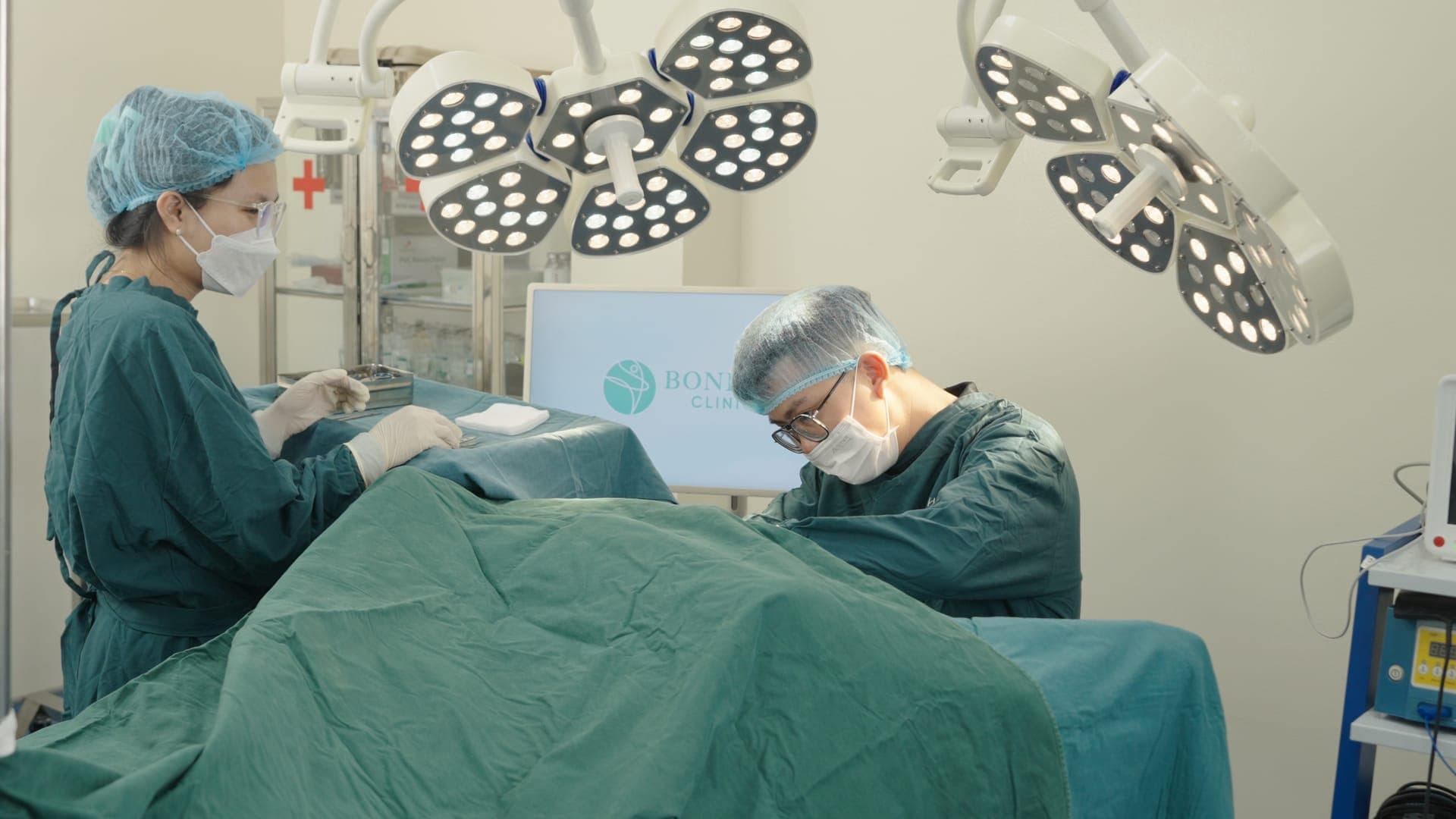
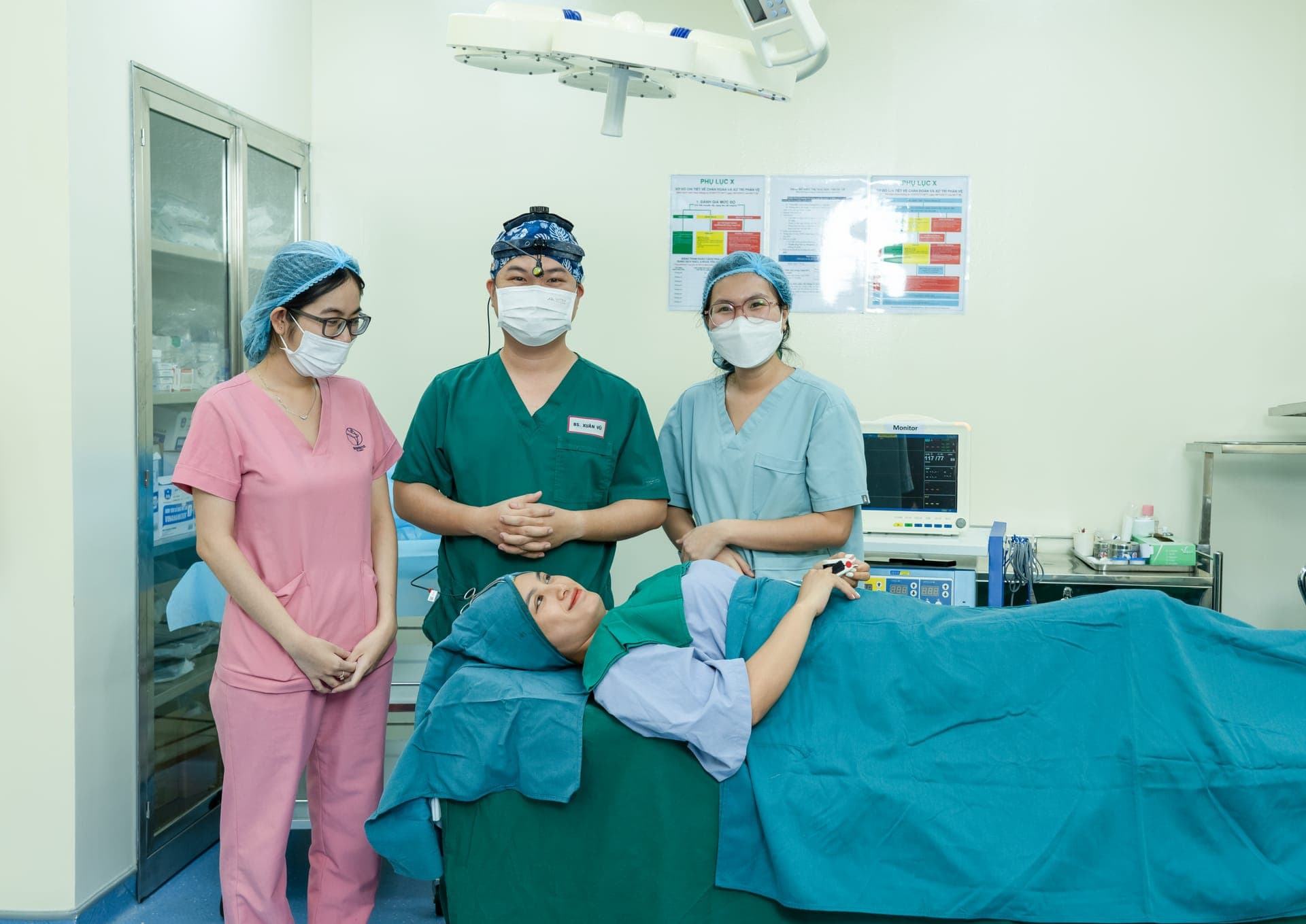
Inside the BonBoz clinic

Book a consultation with a doctor
Choose a date, time slot and doctor — the clinic calls to confirm within 5 minutes during opening hours. Free consultation, no commitment.
Frequently asked questions
Can an upturned, short nose be lengthened with fillers?
How many millimeters can a nose be lengthened?
Why is rib cartilage necessary?
Can a contracted nose after previous rhinoplasty be corrected in a single surgery?
How long after surgery will the nasal tip settle into its final position?
Does harvesting ear or rib cartilage leave visible marks?
Does nasal lengthening affect breathing?
How long after a previous rhinoplasty should one undergo revision for an upturned nose?
Should young people with congenital short noses wait before getting surgery?
Related topics
- Cost of Full Structural Rhinoplasty: Reference Price Range
- Semi-Structural Rhinoplasty Cost: Price Range and Cost-Affecting Factors
- Cost of Rhinoplasty with Cartilage-Wrapped Tip: Price Range and Key Factors
- Autologous Costal Cartilage Rhinoplasty: Indications, Pros, Cons, and the Cartilage Harvesting Procedure
- Nasal Wing Reduction (Alar Plasty): Techniques, Who Needs It, Incision Locations, and Risks of Asymmetrical Nostrils
- Revision Rhinoplasty (Secondary Rhinoplasty): When It Is Needed, Why It Is More Challenging, and the Procedure at BonBoz
More from our doctors
Rib Cartilage vs. Ear Cartilage Rhinoplasty: Detailed Pros and Cons of Each Technique
Both rib cartilage and ear cartilage are autologous materials used in rhinoplasty. Rib cartilage offers greater long-term durability, while ear cartilage is easier to harvest. Choosing the right option depends on your aesthetic goals and individual nasal anatomy.
Revision Rhinoplasty for Failed Previous Surgery: What You Need to Know Before Making a Decision
Revision rhinoplasty after a failed procedure requires adequate waiting time, choosing a highly qualified surgeon, and clearly understanding the corrective techniques to achieve optimal results.
Autologous vs. Synthetic Cartilage in Rhinoplasty: How to Choose the Best Option
Both autologous cartilage and synthetic implants have their own advantages and disadvantages. Autologous cartilage provides long-lasting results but involves a more complex procedure; synthetic implants are simpler to place but may require replacement over time.
How Long Does a Rhinoplasty Take to Look Natural? Timeline for the Nose Shape to Stabilize
Rhinoplasty recovery timeline: When does swelling subside, when does the nasal tip soften, and when is the final shape achieved?