
Medically reviewed by Dr. Nguyen Xuan Vu, MSc, Specialist Level II — BonBoz Clinic
When can I resume exercising and going to the gym after double eyelid surgery?
How long after double eyelid surgery can I resume exercising and going to the gym? Why must strenuous activity be avoided during the initial phase, which exercises should be avoided, and how can you safely return to your workout routine?

This article has been compiled and medically reviewed by the Plastic Surgery Specialist Team at BonBoz Clinic.
Those who exercise regularly are often eager to return to their workouts soon after double eyelid surgery, yet worry that early physical activity might affect the incisions. In reality, strenuous exercise during the initial phase can increase swelling and hinder the healing process of the eye area, requiring a proper recovery period before resuming. Knowing when and how to return to exercise helps you maintain your fitness while ensuring optimal healing for your eyes during the early stages.
How long after double eyelid surgery can you exercise again?
There is no fixed timeline for everyone, but generally, strenuous exercise should be avoided in the first few days when the incisions are fresh and the eye area is still swollen. Many people can start with light physical activity earlier, then gradually increase the intensity once the swelling subsides and the incisions stabilize. The exact timing depends on your individual healing rate, the surgical technique used, and the intensity of the workout, so your doctor will provide a suitable reference timeline. The key is to progress gradually rather than returning to high-intensity workouts immediately.
Why should you avoid strenuous exercise in the early stages?
Strenuous exercise raises your heart rate, increasing blood pressure and blood flow to the head and face, which can cause the eye area to swell more or prolong the swelling during the initial phase. Heavy sweating can also easily cause irritation and increase the risk of wound contamination if proper hygiene is not maintained. Additionally, certain movements involving bending over or straining increase pressure in the eye area. This is why prioritizing rest and light activity first is recommended to allow the incisions to heal under optimal conditions.
Which exercises should be avoided, and which are gentler?
During the early recovery phase, you should avoid high-intensity workouts, heavy weightlifting, movements that involve bending your head below your waist, straining, and contact sports that pose a risk of facial trauma. Swimming is typically recommended to be postponed longer due to water exposure and the risk of wound infection. Conversely, light walking is generally considered a gentler option once your body feels ready. The appropriate level of activity still depends on each individual's condition, so if you are unsure, you should consult your doctor before resuming exercise.

How to safely return to your workout routine?
The general rule is to ease back in: start with light activity, monitor how your eye area reacts, and gradually increase the intensity as you feel comfortable and the swelling subsides. If you experience tightness, pain, or increased swelling in the eye area during exercise, it is a sign to scale back and rest. Maintain good hygiene, gently wipe away sweat, avoid rubbing your eyes, and do not let dirty water touch the incisions. Listening to your body and following your doctor's guidelines will help you resume working out without compromising your results.
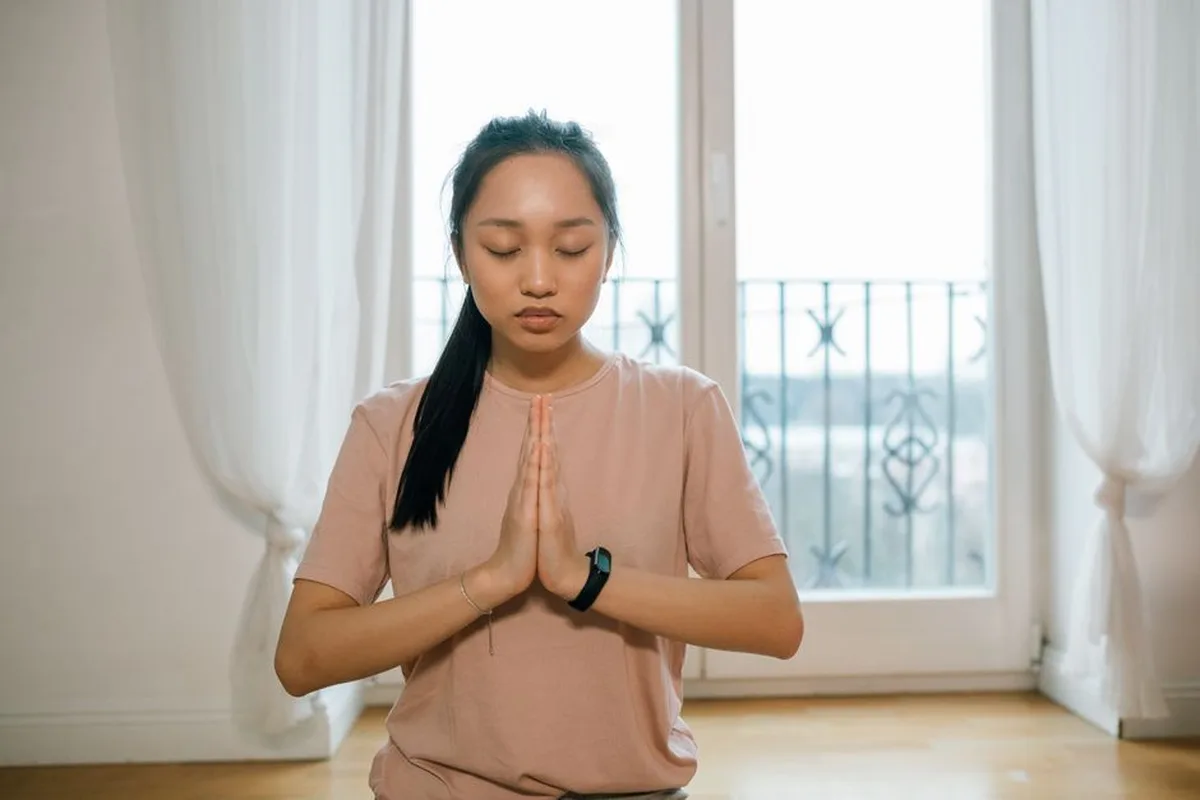
What precautions should be taken during exercise to protect the eyes?
Once you resume working out, avoid rubbing your eyes, prevent sweat from dripping into them, and avoid exercising in dusty environments during the initial phase. Choose clothing and accessories that do not rub against the eye area, and stop immediately if you experience any discomfort. Staying hydrated, getting enough sleep, and maintaining a healthy diet also support recovery. If you notice any unusual signs, such as increased swelling, redness, severe pain, or discharge after exercising, you should seek a medical evaluation promptly.
Frequently Asked Questions
Can I go for a light walk after double eyelid surgery?
Light walking is generally a low-impact activity, and many people can start it sooner than high-intensity workouts once their body feels ready. However, you should still avoid overexertion, direct sunlight, and dusty environments in the early stages, and adjust your pace based on how you feel.
How long after double eyelid surgery can I swim again?
Swimming is usually recommended to be postponed longer due to water exposure and the risk of wound infection. The exact timing depends on your recovery progress, so you should consult your doctor for a safe timeline rather than swimming too early before the incisions have fully stabilized.
Is it harmful to do heavy gym workouts soon after double eyelid surgery?
Lifting heavy weights too early can increase swelling and is not beneficial for the healing eye area during the initial phase. You should increase your workout intensity gradually once the swelling has subsided and the incisions have stabilized, following your doctor's advice, rather than returning to heavy lifting right away.
If you want to know when you can safely resume exercising after double eyelid surgery, let our specialists evaluate your recovery progress and recommend a personalized activity plan for you.
This article is for reference only and does not replace an in-person examination or a doctor's diagnosis. Actual results vary by individual condition.