
Low nasal bridge — Bulbous tip — Wide alar base
A low bridge, a bulbous tip, and wide alar bases are three distinct features that often co-occur in Vietnamese noses due to thick skin and weak lower lateral cartilage. A bridge augmentation only addresses height; a bulbous tip requires tip plasty, and wide nostrils require separate alar base reduction. The doctor will analyze each anatomical component to determine the appropriate approach: cartilage-grafted, semi-structural, or structural rhinoplasty.
Compiled from BonBoz Clinic clinical documentation — currently in medical review
Three Common Issues, Three Targeted Solutions
A low bridge: Requires bridge augmentation using synthetic implants or autologous cartilage. A bulbous, rounded tip: Caused by weak lower lateral cartilages, thick skin, and excessive soft tissue—this requires columellar strut grafting, tip cartilage reshaping/suturing, and occasional soft tissue defatting, along with autologous cartilage tip grafting to prevent skin tension. Wide, flaring alar bases: Addressed with alar base reduction (alar resection/wedge excision)—a separate procedure that can be performed simultaneously.
Why Bridge Augmentation Alone Is Not Enough
Many individuals who only receive a bridge implant find that their tip appears even larger and the nostrils wider, as a higher bridge sharpens the visual contrast. Thick nasal skin can also prevent the tip from looking refined, even after an implant is placed. This is why structural and semi-structural rhinoplasty techniques were developed: to address the nasal tip and columellar support, rather than just the bridge.
How Does Thick Skin Affect the Outcome?
Thick skin masks the underlying cartilaginous definition, making it harder to achieve a sharply defined tip compared to thin skin; on the upside, thick skin is less prone to implant visibility and tip redness. The surgeon can conservatively debulk subcutaneous soft tissue at the tip and build a sufficiently sturdy cartilage framework to project the nasal contour through the thick skin envelope. However, expecting a tip as delicate as that of someone with thin skin is unrealistic.
How to Choose the Right Technique?
Low bridge, well-proportioned tip, moderate skin: Cartilage-shielded rhinoplasty (synthetic bridge implant + autologous cartilage tip graft). Low bridge with a moderately bulbous tip: Semi-structural rhinoplasty (adds columellar support and tip reshaping). Bulbous tip, short/upturned nose, thick skin, or a failed prior rhinoplasty: Full structural rhinoplasty utilizing autologous cartilage. Wide nostrils: Alar base reduction can be combined with any of these approaches.
What to Expect at BonBoz
A board-certified Plastic Surgeon conducts an in-person consultation, measuring your nasofacial proportions and assessing skin thickness, tip cartilage integrity, alar bases, and airway function. The surgeon will explain what each anatomical area requires and recommend the appropriate technique. You will receive a realistic assessment of what can be achieved based on your unique skin and cartilage characteristics—without unrealistic promises based on someone else's nose.
When Should You NOT Get a Rhinoplasty?
If you are under 18 without a parent or legal guardian present to give informed consent; if you have an active facial infection or uncontrolled medical conditions; if your aesthetic expectations exceed what your skin envelope and structural anatomy safely allow; or if your motivation stems from external pressure rather than your own personal desire. Our surgeons will be completely transparent if surgery is not advised at this time.
References
- American Society of Plastic Surgeons — Rhinoplasty: https://www.plasticsurgery.org/cosmetic-procedures/rhinoplasty
- Toriumi DM. Structure approach in rhinoplasty. Facial Plast Surg Clin North Am. 2005 — https://pubmed.ncbi.nlm.nih.gov/15519929/
Severity levels
1
Low bridge, well-defined tip
Requires only bridge augmentation with autologous cartilage tip graft for skin protection. Cartilage-shielded rhinoplasty technique.
2
Low bridge + moderately bulbous tip
Bridge elevation, columellar strut grafting, and tip plasty suturing. Semi-structural rhinoplasty technique.
3
Bulbous, short, upturned tip with thick skin
Framework reconstruction using autologous cartilage, tip lengthening, and soft tissue reduction. Full structural rhinoplasty technique.
4
Wide, flared alar base
Alar base reduction (alarplasty) — a standalone procedure that can be performed concurrently with the techniques above.
When should you see a doctor?
- You want a refined nasal tip but were only advised to "raise the bridge" — a proper assessment of the tip and columella is necessary.
- Short, upturned nose with excessive nostril show from the frontal view.
- Very thick nasal skin with a bulbous tip — understanding realistic limitations is essential before setting expectations.
- Nasal congestion and a deviated septum — functional issues must be addressed alongside aesthetic concerns.
How BonBoz treats it
Cartilage-Protected Rhinoplasty
Synthetic implant + ear cartilage tip graft. Suitable for low nasal bridges with a well-defined tip and moderate skin thickness.
Learn about this method →Semi-Structural Rhinoplasty
Includes columellar strut grafting and tip reshaping. Suitable for moderately bulbous tips requiring projection.
Learn about this method →Full Structural Rhinoplasty
Full framework reconstruction using autologous cartilage. Suitable for bulbous, short, upturned noses, thick skin, and revision rhinoplasty.
Learn about this method →Alar Base Reduction
Alar base resection — performed as a standalone procedure or combined with rhinoplasty.
Learn about this method →Want a cost range for your own case?
Estimate the cost →Cost guidance
Costs increase based on the level of intervention: cartilage-grafted rhinoplasty is the lowest, while structural rhinoplasty is the highest; alar reduction is charged separately. Estimated price ranges for each technique are available in our cost estimator tool; the final quote will be provided by the doctor after an examination.
The final price follows the doctor’s recommendation after an in-person exam. A confirmed quote has no hidden extras.
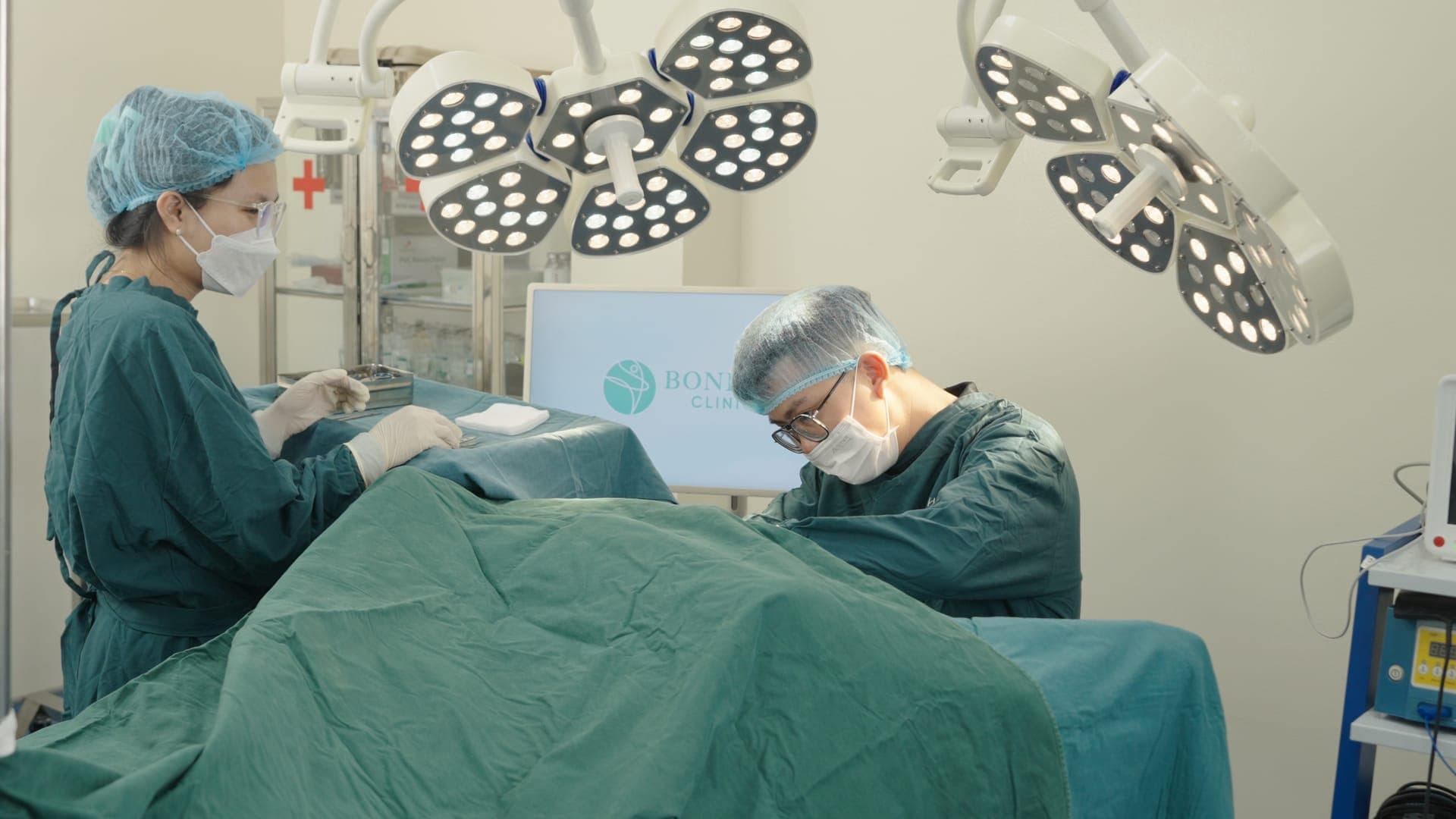
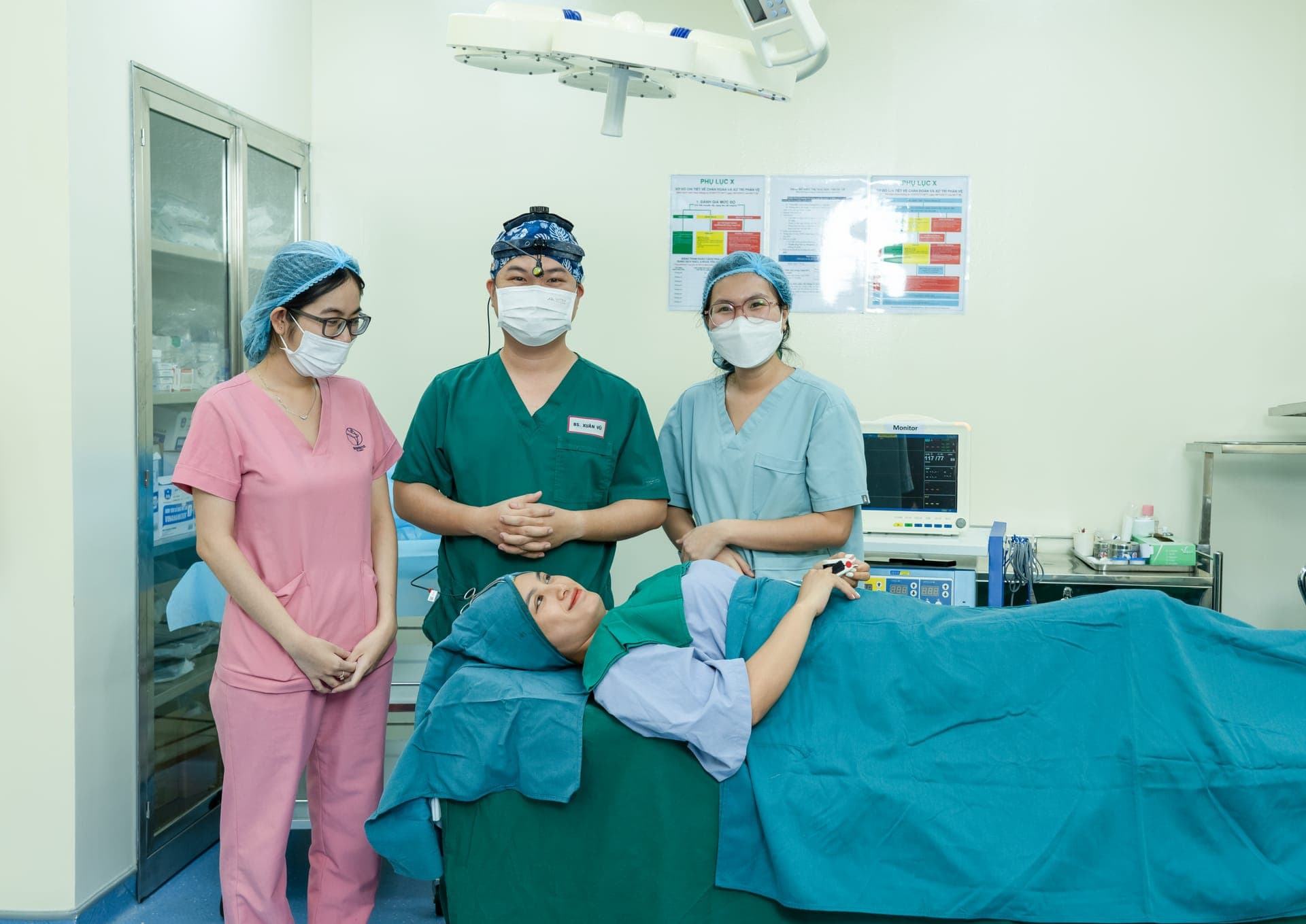
Inside the BonBoz clinic

Book a consultation with a doctor
Choose a date, time slot and doctor — the clinic calls to confirm within 5 minutes during opening hours. Free consultation, no commitment.
Frequently asked questions
Can a bulbous nasal tip be made smaller?
Does alar base reduction leave visible scars?
Does raising the nasal bridge make the tip look slimmer?
Can you get a rhinoplasty with thick nasal skin?
Can a short, upturned nose be lengthened?
What is the difference between semi-structural and full structural rhinoplasty?
Is rib cartilage harvesting necessary?
How long is the recovery time?
Is male rhinoplasty different from female rhinoplasty?
Who performs the surgery at BonBoz?
Related topics
- Cost of Full Structural Rhinoplasty: Reference Price Range
- Semi-Structural Rhinoplasty Cost: Price Range and Cost-Affecting Factors
- Cost of Rhinoplasty with Cartilage-Wrapped Tip: Price Range and Key Factors
- Autologous Costal Cartilage Rhinoplasty: Indications, Pros, Cons, and the Cartilage Harvesting Procedure
- Nasal Wing Reduction (Alar Plasty): Techniques, Who Needs It, Incision Locations, and Risks of Asymmetrical Nostrils
- Revision Rhinoplasty (Secondary Rhinoplasty): When It Is Needed, Why It Is More Challenging, and the Procedure at BonBoz
More from our doctors
Can a bulbous tip and flat nose be made slimmer and taller?
Why do you have a bulbous tip and a flat nose bridge? To what extent can they be improved? How does thick nasal tip skin affect the outcome, and what are the commonly used techniques?
What is alar base reduction? When should it be combined with rhinoplasty?
Wide nasal alae can make the nose appear bulky even with a high nasal dorsum, but not everyone undergoing rhinoplasty needs an alar base reduction. Understanding what alar base reduction entails and when it should be combined with rhinoplasty will help you have a more focused and effective consultation with your surgeon.
Structural Rhinoplasty vs. Cartilage-Shielded Rhinoplasty: Key Differences and How to Choose the Right One
Distinguishing Structural Rhinoplasty and Cartilage-Shielded Rhinoplasty: Materials, Durability, Suitable Candidates, and Key Factors Determining the Outcome.
Structural Rhinoplasty vs. Semi-Structural Rhinoplasty: Which Method Is Right for You?
Structural rhinoplasty completely reconstructs the nasal framework, whereas semi-structural rhinoplasty only modifies specific areas. The right approach depends on your aesthetic goals and individual nasal anatomy.
Can a bumpy, short, or deviated nose be reshaped? Key considerations for each nose shape
Can humped, short, or deviated noses be reshaped and corrected? Understanding the unique characteristics and tailored treatment approach for each nose shape will help you form the right expectations.
Male Rhinoplasty: Is It Worth It and How Does It Differ from Female Rhinoplasty?
Should men get a rhinoplasty? How does a male nose differ from a female one? What are the technical and recovery considerations? This guide helps men set the right expectations.