
Mini-Incision Blepharoplasty — Mini Line
Partial-incision double eyelid surgery (Mini Line) is a technique that creates a double eyelid crease through an incision approximately 2/3 the length of the eyelid, excises a moderate amount of excess skin, and anchors the crease to the levator muscle. The results are longer-lasting than non-incisional eyelid surgery (eyelid stitching) due to the skin removal, while being less invasive than a full-incision blepharoplasty.
Compiled from BonBoz Clinic clinical documentation — currently in medical review
Mechanism of Action
A short incision is placed precisely along the pre-designed crease line, typically at the middle-to-outer portion of the eyelid where skin laxity is most prominent. Through this incision, the surgeon excises a moderate strip of skin and anchors the skin-orbicularis oculi layer to the levator aponeurosis to create a stable, well-defined crease. Because excess skin is excised, the new crease is not hooded over as often seen in non-incisional blepharoplasty; because the incision is short, swelling is minimal and recovery is faster compared to a full-incisional approach.
Mini Line vs. Other Options
Compared to non-incisional (suture) blepharoplasty: It offers longer-lasting results and can address mild excess skin, but it leaves a short scar concealed within the crease and requires a few extra days of recovery. Compared to full-incisional blepharoplasty: It is less invasive with reduced swelling, but it only removes a limited amount of skin and does not address excess fat—making it unsuitable for puffy eyelids or significant skin laxity at the inner and outer corners. Surgeons select the appropriate technique based on anatomical tissue volume (skin and fat), not the patient's fear of surgery.
Indications
Young individuals with single eyelids (monolids) or poorly defined creases, mild skin excess concentrated in the central eyelid, minimal fat, and a desire for a more durable crease than non-incisional methods can provide. It is also suitable for patients whose previous suture blepharoplasty has loosened, provided there is no significant excess skin.
Potential Risks to Consider
A short, pink scar within the crease that fades over 1–3 months, asymmetry, a discontinued crease contour in the unincised areas (if skin laxity is greater than anticipated), swelling, bruising, minor hematoma, and infection (rare). If skin laxity is underestimated, a revision converting to a full-incisional blepharoplasty may be required later.
At BonBoz
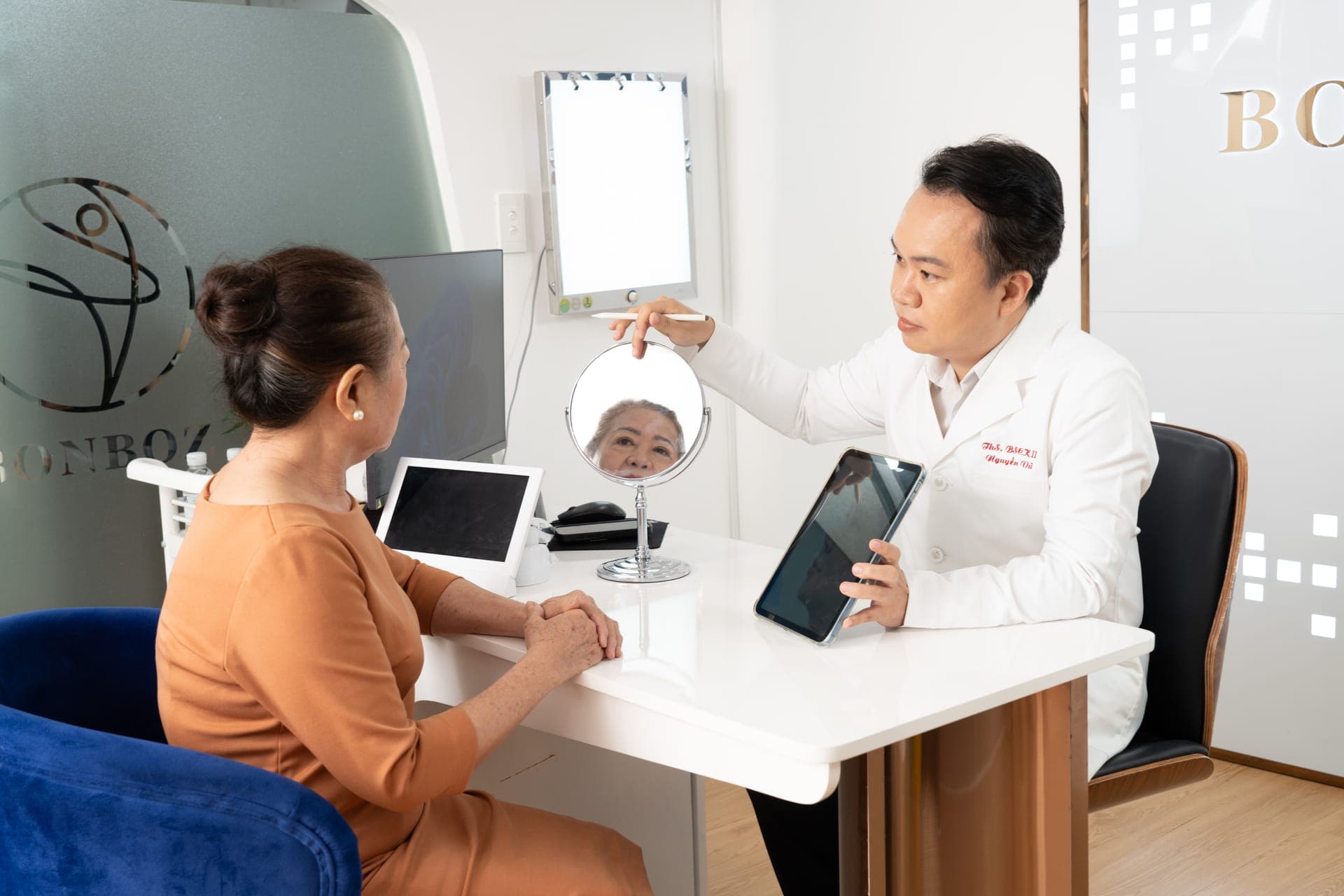
Our plastic surgeons precisely measure skin laxity and fat volume, assess eyelid thickness, and simulate the expected crease using a surgical probe. Mini Line is recommended only when skin and fat excess are minimal; if there is significant fat or skin laxity extending to the inner and outer corners, our surgeons will advise a full-incisional blepharoplasty to avoid the need for a secondary procedure. The consulting physician is the operating surgeon; details regarding incision length, swelling timeline, and follow-up schedules are thoroughly explained in advance.
Technique variants
1
A short incision
Suitable for minimal excess skin and thin fat tissue.
2
Two to three small incisions
When fat or tissue needs to be addressed along the length of the eyelid.
3
Switching to full incision double eyelid surgery
When examination reveals excess skin or fat beyond the limits of a short incision.
When should you see a doctor?
- Excessive eyelid skin or thick fat pads — a short incision is insufficient for complete removal.
- Previously operated eyelids with residual scarring or uneven creases.
- Accompanying true ptosis.
- Expecting results identical to full upper blepharoplasty — both techniques have different limitations.
How is it performed?
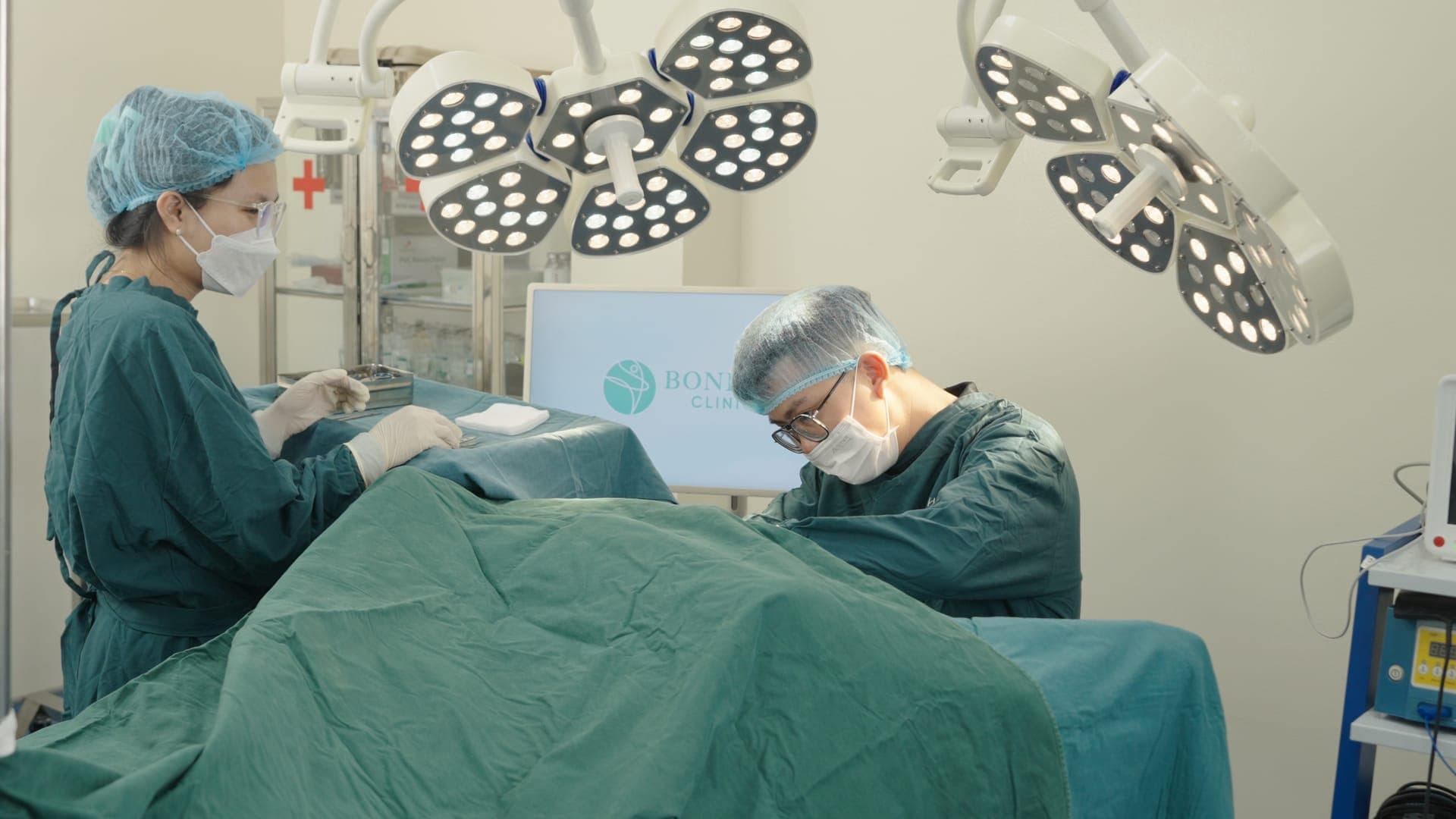
Local anesthesia is administered. The doctor marks the new crease line and the strip of skin to be excised along approximately two-thirds of the eyelid length. An incision is made along the markings, a narrow strip of skin is removed, and the skin-orbicularis oculi muscle is anchored to the levator aponeurosis at several points to define the crease. The incision is then closed with fine sutures. The procedure takes 45–60 minutes, with same-day discharge.
Before the procedure
Eyelid assessment and measurement, standardized clinical photography, crease simulation; discontinue anticoagulants, alcohol, and smoking as instructed; have a light meal and avoid eye makeup on the day of surgery.
After the procedure
**Post-Operative Care Instructions:** * **Cold & Warm Compresses:** Apply cold compresses during the first 48 hours (days 1–2: 10–15 minutes per session, 1 hour apart). Switch to warm compresses starting on day 3. * **Wound Care & Hygiene:** Keep the incision area clean and dry. Cleanse the eyes gently with saline solution. Take all medications exactly as prescribed. * **Suture Removal & Follow-ups:** Visit the clinic for suture removal on day 7. Attend scheduled follow-up visits on day 7, at 1 month, 3 months, and 6 months. * **Recovery Timeline:** Swelling typically peaks during the first 3 days; the eyelid crease will gradually soften and look more natural after 2–4 weeks. * **Dietary & Activity Restrictions (Avoid for 1 month):** * Foods to avoid: seafood, beef, glutinous rice, water spinach, alcohol, and stimulants. * Activities to avoid: applying eye makeup, wearing contact lenses, and rubbing or touching the eyes. **When to Contact Your Doctor Immediately:** Seek immediate medical attention if you experience: * Abnormal or excessive swelling * Purulent discharge or persistent heavy bleeding * Fever above 38.5°C * Spreading redness around the surgical site * Inability to close the eyes completely after 1 week
Possible risks — your doctor explains them before treatment
- Short, pink scar within the crease for 1–3 months
- Asymmetry
- Discontinuous crease in the non-incised area if there is significant excess skin
- Swelling, bruising, or minor hematoma
- Infection (rare)
Who should NOT have this?
- Thick eyelid fat, puffy eyelids
- Excess skin at both the inner and outer corners of the eyes
- Ptosis caused by weak levator muscles
- Active periocular infection
- Uncontrolled underlying medical conditions
How BonBoz uses it
Lower Eyelid Skin Excision
Lower eyelid skin excision addresses loose, wrinkled under-eye skin caused by aging through an incision made just beneath the lower lash line, which may also involve orbital fat management. It is ideal for individuals whose primary concern is excess skin, typically aged 45–70.
Learn about this method →Full Incision Double Eyelid Surgery for Excess Skin and Fat
Full incision double eyelid surgery utilizes a full-length eyelid crease incision to remove excess skin, manage fat, and create a stable double eyelid crease. It serves as the foundational technique for aging upper eyelids and puffy eyes—it is not a 'eye-enlarging' procedure.
Learn about this method →Lower Eyelid Fat Repositioning
Lower eyelid fat repositioning transfers bulging under-eye fat pads down to fill the hollow tear trough underneath, rather than excising them. This addresses both excess volume and hollowness around the eyes simultaneously using your own tissue.
Learn about this method →Eye Procedures: Mini Line Double Eyelid Surgery
Services page: A specialist physician will examine you, recommend the most suitable option, and provide transparent pricing before you make your decision.
Want a cost range for your own case?
Estimate the cost →Cost guidance
The cost depends on your skin and eyelid fat condition, whether the procedure is performed on one or both sides, and whether additional procedures are required during the same session.
The final price follows the doctor’s recommendation after an in-person exam. A confirmed quote has no hidden extras.
Inside the BonBoz clinic

Book a consultation with a doctor
Choose a date, time slot and doctor — the clinic calls to confirm within 5 minutes during opening hours. Free consultation, no commitment.
Frequently asked questions
Does Mini Line leave a scar?
How long does the swelling last?
Can Mini Line remove excess fat?
Does the crease loosen or unravel like with non-incisional eyelid surgery?
How is Mini Line different from full-incision blepharoplasty?
How soon can I wear makeup and contact lenses?
Can I get Mini Line if I previously had non-incisional eyelid surgery (eyelid stitching)?
Does the result look natural?
Related topics
- Full-Incision Blepharoplasty for Excess Skin and Fat Removal: Procedure, Indications for Aging Eyelids, and Essential Risks to Know
- Non-Incisional Double Eyelid Surgery (Suture Method): Procedure, Ideal Candidates, Longevity, and When to Choose Incisional Blepharoplasty Instead
- Small, Short Eyes with Epicanthic Folds: When to Perform Epicanthoplasty vs. When Double Eyelid Surgery Alone Is Enough
- Monolids vs. Hidden Double Eyelids: What’s the Difference, and Who Should Choose Non-Incisional vs. Incisional Double Eyelid Surgery?
- Age-Related Upper Eyelid Laxity: Should You Get Blepharoplasty, and How to Distinguish It from Ptosis and Brow Ptosis?
- Ptosis: How It Differs from Cosmetic Blepharoplasty and When Treatment Is Needed
More from our doctors
Types of Blepharoplasty: A Detailed Guide to Understanding Your Options
There are three main types of blepharoplasty: upper blepharoplasty, lower blepharoplasty, and combined upper and lower blepharoplasty. Each type serves a different purpose and addresses specific eye conditions.
What to avoid during the first 2 weeks after double eyelid surgery (upper blepharoplasty) for symmetrical, optimal results?
For the first 2 weeks after double eyelid surgery, you should avoid getting water on your face, wearing makeup, exercising, staying up late, and eating spicy food to ensure your eyelids heal evenly and beautifully.
How does the upper blepharoplasty incision fade over time? Does it leave visible scars?
Why double eyelid surgery (upper blepharoplasty) leaves minimal visible scarring, how the incision fades through different stages, and post-operative care for optimal scar fading.
How Long Does Suture Removal Take After Double Eyelid Surgery? Step-by-Step Procedure
Following double eyelid surgery (upper blepharoplasty), sutures will be removed in about 5–7 days. The procedure is quick, simple, and painless.