
Medically reviewed by Dr. Nguyen Xuan Vu, MSc, Specialist Level II — BonBoz Clinic
Is leaving a suture behind after eyelid surgery dangerous? A guide to safe management
Leftover sutures after double eyelid surgery are not uncommon. If detected early, the doctor can safely remove them without affecting the final aesthetic outcome.
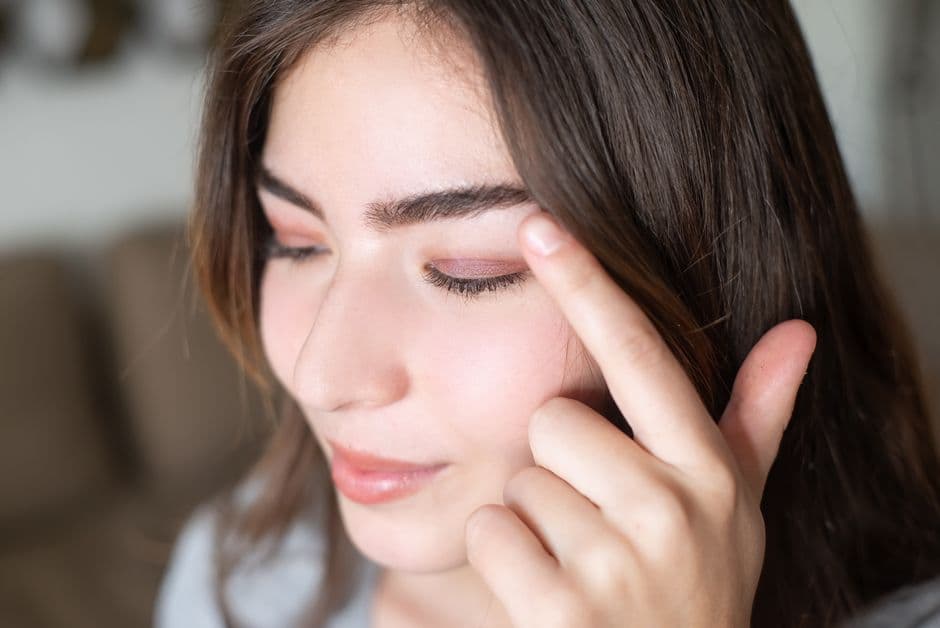
Retained sutures after blepharoplasty are not uncommon. If detected early, your surgeon can safely remove them while fully preserving the aesthetic results of your eyelid surgery.
Quick Summary: Retained sutures after blepharoplasty can happen, but in most cases, they do not cause problems if identified and addressed promptly. You should reach out immediately if you notice an exposed stitch or any unusual signs, allowing your doctor to examine the area and safely remove the suture.
Information regarding the safe management of retained blepharoplasty sutures is provided by Dr. Nguyen Xuan Vu, MSc, Specialist Level II, Medical Director at BonBoz Clinic (Operating License No. 11113/HCM-GPHĐ). Holding Medical Practice Certificate No. 007827/ĐL-CCHN issued by the Dak Lak Department of Health and with over 15 years of experience directly performing more than 20,000 rhinoplasty, blepharoplasty, and thread lift procedures, Dr. Vu ensures trustworthy clinical expertise.
Expert Insight: “Retained sutures after blepharoplasty can occur, but in most cases, they do not cause issues if detected and treated promptly by a specialist.” — Dr. Nguyen Xuan Vu, MSc, Specialist Level II Prompt management of post-operative occurrences is a foundational standard of care in aesthetic medicine.

What Are Retained Sutures After Blepharoplasty?
During eyelid surgery, the surgeon uses surgical sutures to precisely approximate tissues according to the surgical plan. Once the incisions heal, absorbable sutures dissolve on their own, or non-absorbable sutures are removed during a follow-up visit. Occasionally, one or several suture fragments remain beneath the skin or are inadvertently left behind. This is typically due to:
- Sutures that are extremely fine or buried deep within the tissue, making them difficult to detect during an exam
- Suture segments that become epithelialized (buried) as the skin heals
- Clinical oversight or a missed post-operative follow-up appointment by the patient
What Are the Symptoms of a Retained Suture?
If a suture has been left behind, you may notice:
- A pricking sensation, foreign body sensation, or discomfort in the eyelid area
- A visible suture thread protruding through or palpable beneath the skin
- A small bump, pustule, or localized swelling at the incision line
- Healing that does not progress as expected within the standard recovery timeframe
- In many cases, retained sutures cause neither pain nor bleeding, meaning you may not notice any symptoms at all
If you notice any of these signs, you should notify your surgeon immediately. According to the NHS (UK), after eyelid surgery, you should contact your clinic right away if you experience severe pain or any unusual symptoms.
How Are Retained Sutures Managed?
When a retained suture is identified, the procedure is carried out as follows:
- 1Re-examine the eyelid to pinpoint the exact location of the retained suture
- 2Cleanse the eyelid area with an antiseptic solution
- 3Use a fine needle or micro-instruments to gently dissect the suture from surrounding tissue without damaging adjacent skin
- 4Completely remove the suture
- 5Apply a topical anti-inflammatory/antibacterial agent to prevent infection
This procedure is straightforward, safe, and quick. It does not require revision surgery or additional sutures. In the vast majority of cases, the tissue heals rapidly once the thread is removed.

Why Is Early Intervention Necessary?
While a retained suture is not a medical emergency, it should ideally be addressed within the first few weeks post-surgery. Reasons include:
- Sutures are easier to remove while the tissue is still fresh and the incision is not fully remodeled
- Leaving a suture long-term can trigger mild chronic inflammation or foreign-body granulomas (small bumps)
- It may compromise the symmetry and contour of the eyelid crease over time
- It minimizes the risk of localized infection and other complications
Wound care guidelines from MedlinePlus (U.S. National Library of Medicine) also advise contacting your surgeon if the skin around the incision becomes redder, more painful, swollen, or begins to bleed.
Therefore, if you suspect a suture has been left behind, contact BonBoz right away for an evaluation. Our doctors will perform a thorough assessment and remove it safely.
How to Prevent Retained Sutures?
To minimize the risk of retained sutures, consider the following:
- Attend all scheduled post-operative follow-up appointments (typically 1–2 weeks after surgery)
- Notify your doctor immediately if you observe any abnormal signs
- Closely follow your surgeon's post-operative eyelid care instructions
- If a suture needs removal, always have your doctor do it; do not pick, pull, or apply unprescribed ointments yourself — as MedlinePlus emphasizes: do not pull on or remove stitches yourself; non-absorbable sutures must be removed by your surgeon
Blepharoplasty procedures at BonBoz are performed by experienced surgeons utilizing meticulous suturing and verification protocols. However, because individual tissue healing responses vary, close post-operative monitoring remains essential.
If you are considering eyelid surgery or have already had the procedure and have questions regarding your recovery, contact BonBoz for detailed guidance. We are always here to support you on your aesthetic journey.
Read more: 5 criteria for choosing a reputable blepharoplasty clinic in HCMC
Frequently Asked Questions
Are retained sutures dangerous?

Retained sutures are generally not dangerous if identified and managed in a timely manner. However, if left untreated for extended periods, they can cause mild inflammation or a foreign-body tissue reaction. As soon as you notice anything unusual, contact your doctor for an evaluation.
How soon should a retained suture be removed?
A retained suture should ideally be removed within 2–4 weeks of detection. The earlier it is addressed, the easier the removal will be while the skin is still remodeling, minimizing any impact on your final aesthetic result.
Is anesthesia required to remove a retained suture?
General anesthesia is not required. Suture removal is a minor in-office procedure. The doctor will apply a light local anesthetic to ensure you remain completely comfortable.
Will the eyelid heal normally after the suture is removed?
Yes. Once the retained suture is removed in a timely manner, the eyelid will resume normal healing. The micro-opening closes quickly, and the final crease contour is typically unaffected.
If I miss my follow-up appointment, will a retained suture fall out on its own?
It might, but it is not guaranteed. While some absorbable sutures degrade gradually over time, others can become buried beneath the skin and will not shed naturally. You should always attend your follow-up visits so your surgeon can inspect the area and remove sutures as needed.
References
- NHS (UK) — Eyelid surgery (blepharoplasty), accessed 02/09/2026
- MedlinePlus — Surgical wound care – closed, accessed 02/09/2026
Content compiled and medically reviewed by the clinical team at BonBoz Clinic.
1. What are the signs of a retained suture after blepharoplasty?
You may notice a tiny black or blue dot (depending on suture material) along the eyelid crease, or experience a mild foreign-body or scratching sensation. Occasionally, the area may present with slight redness or localized swelling around the stitch. If you suspect a retained suture, schedule an in-person evaluation with a specialist at BonBoz Clinic.
2. Can a retained suture affect the aesthetic outcome of the eyelid?
Yes, a retained suture can affect the natural contour of the eyelid by causing minor hypertrophic scarring, an irregular crease line, or overall asymmetry. Removing it promptly supports optimal tissue recovery and ensures the best aesthetic result. A physician at BonBoz Clinic will examine the area and recommend the most appropriate approach for your case.
This article is for reference only and does not replace an in-person examination or a doctor's diagnosis. Actual results vary by individual condition.