
Medically reviewed by Dr. Kim Kha, MSc, Specialist I — BonBoz Clinic
How Do Diet and Lifestyle Affect Acne Scar Treatment Results?
How Diet, Sun Protection, and Sleep Affect Pitted Scar Treatment, In-Between Session Care, and Why They Cannot Replace Clinical Treatment.

This article is compiled and medically reviewed by the Dermatology Specialists at BonBoz Clinic.
Many people focus solely on atrophic scar treatments while overlooking how daily diet and lifestyle contribute to the final results. Skin heals and regenerates collagen more effectively when the body is properly nourished and cared for. Understanding how lifestyle factors affect the scar healing process helps you support your treatment more efficiently, though this remains a supportive factor and does not replace your doctor's treatment plan.
How does diet affect skin healing and regeneration?
The process of wound healing and collagen production requires raw materials from nutrition: adequate protein to rebuild tissue, along with vitamins and minerals to support collagen synthesis and provide antioxidant benefits. A balanced, nutrient-rich diet provides the skin with optimal conditions to recover after treatment sessions. Conversely, a nutrient-deficient diet high in sugar and processed foods can adversely affect the skin. However, diet is merely a supportive factor, not a "miracle food" that can erase scars.
Sun protection — the most critical lifestyle factor during scar treatment
Among all lifestyle factors, sun protection is of paramount importance during atrophic scar treatment. Many treatment methods leave the skin highly sensitive and prone to hyperpigmentation if exposed to unprotected sunlight, which can darken the treated areas and compromise the results. Therefore, using broad-spectrum sunscreen, wearing physical protection, and avoiding peak sun hours are mandatory throughout the process. This is the daily habit that has the most direct impact on your treatment outcomes.

How do sleep, stress, and daily habits affect the skin?
Adequate, high-quality sleep allows the body to recover and regenerate more effectively, whereas chronic sleep deprivation and high stress levels can impair the overall skin healing process. Smoking is known to negatively impact circulation and wound healing, so limiting or quitting smoking is highly beneficial for the skin. Staying hydrated and maintaining a balanced routine also support skin health. While these habits do not directly erase scars, they establish a healthy foundation for the skin to respond well to treatment.
How should you care for your skin between treatment sessions?
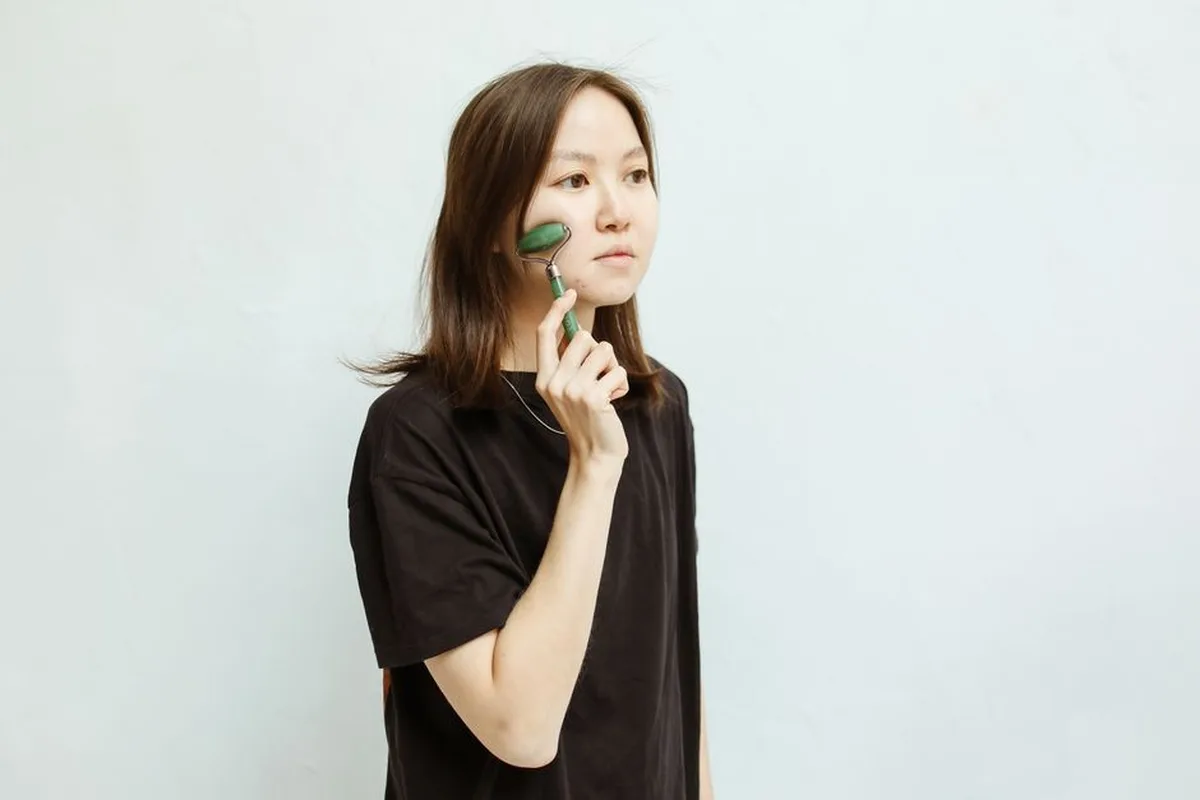
Proper skincare between sessions helps the skin recover and maintain results: use gentle cleansers, hydrate, restore the skin barrier, and avoid harsh, irritating products while the skin is sensitive. If you still have acne, manage it according to your doctor's instructions to prevent new scars. Do not introduce strong active ingredients without consulting your doctor. Maintaining a healthy skin barrier helps maximize the efficacy of each treatment session.
Can lifestyle changes replace clinical treatments?
No. A healthy diet and lifestyle are crucial supportive factors that optimize the skin's ability to respond to treatment and maintain results, but they cannot independently fill in deep atrophic scars located in the dermal layer. Atrophic scars require targeted clinical procedures prescribed by a doctor. Therefore, the best approach is a combination of following your prescribed treatment plan and maintaining a supportive lifestyle, rather than expecting diet or skincare alone to be sufficient.
Frequently Asked Questions
What should I eat to quickly fill in atrophic scars?
There is no specific food that can fill in atrophic scars on its own. Eating a balanced diet rich in protein and vitamins supports better skin healing and regeneration, but this is only a supportive factor and cannot replace deep-acting clinical treatments.
Can collagen supplements treat atrophic scars?
Collagen supplementation may support overall skin health depending on the individual, but there is no evidence showing that oral collagen can fill in deep atrophic scars. Scar treatment still requires appropriate clinical procedures prescribed by a doctor.
Are there any dietary restrictions during atrophic scar treatment?
There is no universal list of foods to avoid; the key is to maintain a healthy diet, limit high-sugar foods and stimulants, and practice strict sun protection. If you have specific medical conditions or sensitivities, consult your doctor for personalized advice.
If you are undergoing atrophic scar treatment and want to know how to optimize your diet and lifestyle for the best results in your specific case, please consult your dermatologist alongside your treatment plan.
This article is for reference only and does not replace an in-person examination or a doctor's diagnosis. Actual results vary by individual condition.