
Medically reviewed by Dr. Kim Kha, MSc, Specialist I — BonBoz Clinic
What is the Difference Between Botox and Filler? A Guide to Choosing the Right Treatment for Each Facial Area
Botox relaxes muscles, while Filler restores volume. Botox is ideal for the forehead and eyes; Filler is best for the cheeks, chin, and lips. Each facial area requires its own tailored approach.
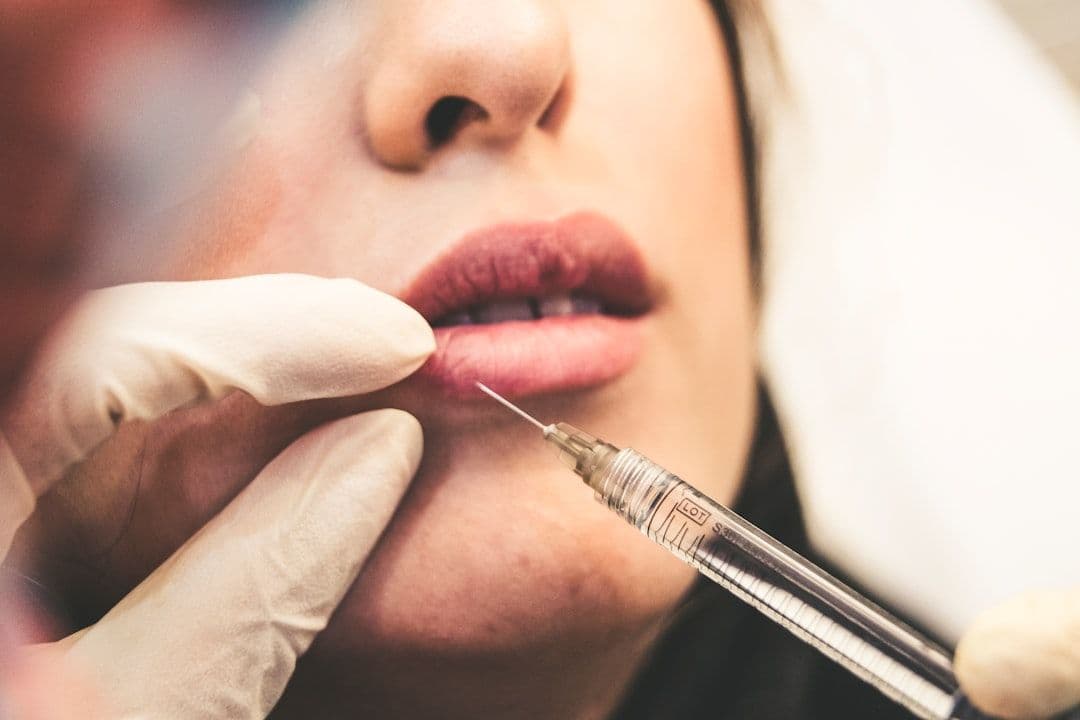
What is the Difference Between Botox and Filler? A Guide to Choosing the Right Treatment for Each Facial Area
This article provides in-depth medical knowledge about Botox and Filler, compiled by Dr. Kim Kha, MSc, Specialist I in Aesthetic Dermatology (Medical Practice Certificate No. 009784/ĐL-CCHN issued by the Department of Health of Dak Lak Province) with over 8 years of experience in non-surgical aesthetics. BonBoz Clinic, an Aesthetic & Dermatology Clinic operating under License No. 11113/HCM-GPHĐ issued by the Department of Health of Ho Chi Minh City, located at 66–68 Vo Van Tan, Ho Chi Minh City, ensures accurate and reliable medical content.
Quick summary: Botox and Filler are two popular non-surgical aesthetic injection treatments at BonBoz Clinic with completely different mechanisms of action. Botox relaxes muscles to erase dynamic wrinkles caused by facial expressions, while Filler restores volume to plump and lift sagging or hollow areas. Understanding the differences and properly combining these two treatments under the supervision of a specialist will help you achieve a natural, balanced, and youthful facial appearance.

How Do the Mechanisms of Action of Botox and Filler Differ?
What is the difference between Botox and Filler?
Botox and Filler are two aesthetic injection techniques with different mechanisms: Botox relaxes muscles to reduce dynamic wrinkles (which appear during facial movements), while Filler restores volume to plump and lift sagging or hollow areas. These are two popular treatments at BonBoz, suitable for clients looking to improve wrinkles or restore facial contours without surgery.
Botox (also known as muscle-relaxing injections) works by temporarily relaxing the facial muscles that cause dynamic wrinkles — those lines that appear when you smile, frown, or squint. It reduces muscle contraction, thereby smoothing out these lines.
Filler (also known as dermal filler) works through a different mechanism. It fills in hollow spaces and adds volume to areas that have sagged or lost fullness due to aging or genetics. Filler helps lift imperfections and restores roundness and softness to the face.
In short: Botox erases dynamic wrinkles, while Filler plumps and lifts.
Quick Comparison Table
| Criteria | Botox | Filler |
|---|---|---|
| Mechanism of action | Temporarily relaxes muscles that cause dynamic wrinkles, helping to smooth and prevent lines. | Adds volume beneath the skin, fills static wrinkles and hollow areas, and contours the face. |
| Main ingredient | Purified Botulinum Toxin Type A. | Typically Hyaluronic Acid (HA), or other substances such as Calcium Hydroxylapatite, Poly-L-lactic Acid. |
| Target areas/indications | Dynamic wrinkles (during expression) on the forehead, between the eyebrows (glabella), outer corners of the eyes (crow's feet); jaw reduction, brow lift. | Static wrinkles (visible at rest) such as nasolabial folds, marionette lines; lip plumping, sunken cheeks, hollow temples, under-eye hollows, chin and nose contouring. |
| Primary goal | Reduce wrinkles caused by muscle movement, prevent premature aging. | Restore lost volume, fill static wrinkles, shape and enhance facial contours. |
| Longevity | Approximately 3-6 months, depending on individual metabolism and dosage. | Approximately 6-18 months or longer, depending on the type of filler, injection area, and individual metabolism. |
| Onset of action | Results begin to appear after 3-5 days, becoming most visible after 1-2 weeks. | Immediate results visible after injection, with optimal results once mild swelling subsides. |
Which Facial Areas Benefit Most from Botox Injections?
Which areas are suitable for Botox?
Botox works best in areas with wrinkles caused by muscle movement:
- Forehead: Horizontal lines that appear when you raise your eyebrows. Botox effectively smooths them out.
- Eyes (periorbital area): Fine lines around the eyes (also known as crow's feet) that appear when smiling. Botox is highly suitable here.
- Between the eyebrows: Frown lines (glabellar lines) also respond very well to Botox.
Botox is not effective for static wrinkles (lines that are always present even without facial movement), as it only acts on the muscles.

Which Facial Areas Should Prioritize Filler Injections?
Which areas are suitable for Filler?
Filler is ideal for areas requiring volume restoration or lifting:
- Cheeks: The cheek area often sags and loses fullness with age. Filler helps lift and create natural plumpness.
- Chin: A weak chin can be projected with Filler, helping to balance the facial profile.
- Lips: Filler adds volume, plumpness, or reshapes the lips as desired.
- Nose: The nasal bridge and radix can be adjusted non-surgically.
- Under-eye area: Eye bags caused by volume loss can be improved with Filler, but dark circles caused by pigmentation or blood vessels cannot be resolved by Filler — a doctor must properly assess the cause before choosing the treatment.
Filler is effective for static wrinkles and helps restore skin tautness.
Safety note for Filler injections: the most visible and stable results are typically seen after about 1 month, not immediately. Filler injections must be performed by a doctor at a qualified medical facility. The following are signs of extremely dangerous vascular occlusion that require you to contact a doctor IMMEDIATELY: the injected area turns pale/white, feels cold to the touch, shows abnormal swelling or bruising, or causes severe pain that does not subside after 24 hours.


When Should You Combine Both Botox and Filler in the Same Treatment Plan?
Combining Botox and Filler for optimal results
A comprehensive aesthetic plan often combines both treatments:
- Use Botox on the forehead, eyes, and brow area to soften dynamic wrinkles.
- Use Filler on the cheeks, chin, and lips to restore volume and tautness.
This approach helps the face look natural, balanced, and more youthful.
In addition to Botox and Filler, you can also explore other non-surgical aesthetic treatments to choose the option that best aligns with your goals.

How to Determine Which Aesthetic Treatment is Right for You?
How to choose the right treatment?
Choosing between Botox and Filler (or both) depends on:
- Current skin condition: Do you have dynamic or static wrinkles? Is there volume loss?
- Specific goals: Do you want to erase wrinkles or lift and contour the face?
- Age and anatomy: Each individual requires different dosages and injection sites.
- Budget and maintenance: Botox and Filler have different durations of efficacy.
The best approach is to have a direct consultation. Doctors at BonBoz will assess your skin condition, listen to your concerns, and design a personalized plan for you — which may involve Botox, Filler, or a combination of both.
Please contact BonBoz for a detailed consultation!
The content is compiled and medically reviewed by the specialist medical team at BonBoz Clinic.
See more: 5 criteria for choosing a safe Botox and Filler injection clinic in HCMC

Frequently Asked Questions
What is the fundamental difference between Botox and Filler?
Botox works by temporarily relaxing facial muscles to smooth out dynamic wrinkles (which appear during movements like smiling or frowning). Meanwhile, Filler works by filling in spaces, restoring lost volume, and lifting sagging skin or static wrinkles.
What dangerous signs require immediate medical attention after Filler injections?
You must contact a doctor immediately if the injected area shows signs of dangerous vascular occlusion, such as: pale or white skin, skin that feels cold to the touch, abnormal swelling or bruising, or severe pain that does not subside after 24 hours.
Can Botox and Filler be combined in the same treatment plan?
Yes. Combining Botox (to smooth dynamic wrinkles on the forehead, eyes, and brow) and Filler (to restore volume in the cheeks, chin, and lips) is a comprehensive approach that helps the face look natural, balanced, and more youthful.
How do I know whether to choose Botox or Filler?
The choice of treatment depends on your skin condition (dynamic vs. static wrinkles, presence of volume loss), aesthetic goals, individual anatomy, and personal budget. You should visit the clinic for a direct consultation so that a doctor at BonBoz Clinic can accurately assess and recommend the most suitable plan.
1. How long do the effects of Botox and Filler last?
The longevity of Botox typically ranges from 3 to 6 months, while Filler can last from 6 to 18 months or longer, depending on the type of Filler and the injection area. This duration also depends on individual metabolism and lifestyle. For a more accurate estimate of the expected duration and to plan an appropriate treatment schedule, you should consult directly with a specialist at BonBoz Clinic.
2. If I am not satisfied with my Filler results, can it be corrected?
For Fillers formulated with Hyaluronic Acid (HA), a doctor can use a specific enzyme to dissolve the Filler, helping to adjust or reverse the undesired results. In the case of Botox, the effects will gradually wear off over time. It is crucial that you notify a doctor at BonBoz Clinic immediately for an examination and to receive the safest, most timely solution.
This article is for reference only and does not replace an in-person examination or a doctor's diagnosis. Actual results vary by individual condition.