
Medically reviewed by Dr. Nguyen Xuan Vu, MSc, Specialist Level II — BonBoz Clinic
Ideal Age for Rhinoplasty: Are There Any Age Limits and Key Considerations?
Rhinoplasty can be performed from the age of 18, once the nasal bones are fully developed. There is no upper age limit; overall health is the deciding factor.

Quick summary: The suitable age for rhinoplasty is generally 18 years and older. There is no upper age limit for this procedure, provided that the candidate meets all standards regarding overall health and psychological stability. For clients under 18 years of age, BonBoz Clinic strictly requires the accompaniment, understanding, and consent of parents or legal guardians regarding the treatment plan before proceeding. The choice of an appropriate rhinoplasty technique will be advised in detail by the doctor based on each client's specific condition.
What is the minimum age for rhinoplasty?
> Expert Insight — Dr. Nguyen Xuan Vu, MSc, Specialist Level II: I recommend rhinoplasty for individuals aged 18 and older, with no upper age limit. What I evaluate is overall health, cardiovascular status, medical history, and each individual's realistic expectations, rather than just chronological age.
Generally, doctors recommend an age of 18 and older to undergo rhinoplasty. For candidates under 18 years of age, to ensure safety and regulatory compliance, BonBoz Clinic strictly requires the presence of parents or legal guardians, who must fully understand and consent to the treatment plan before the clinic performs the procedure. Thorough consultation with a specialist is essential to ensure patient safety before BonBoz proceeds with the service.
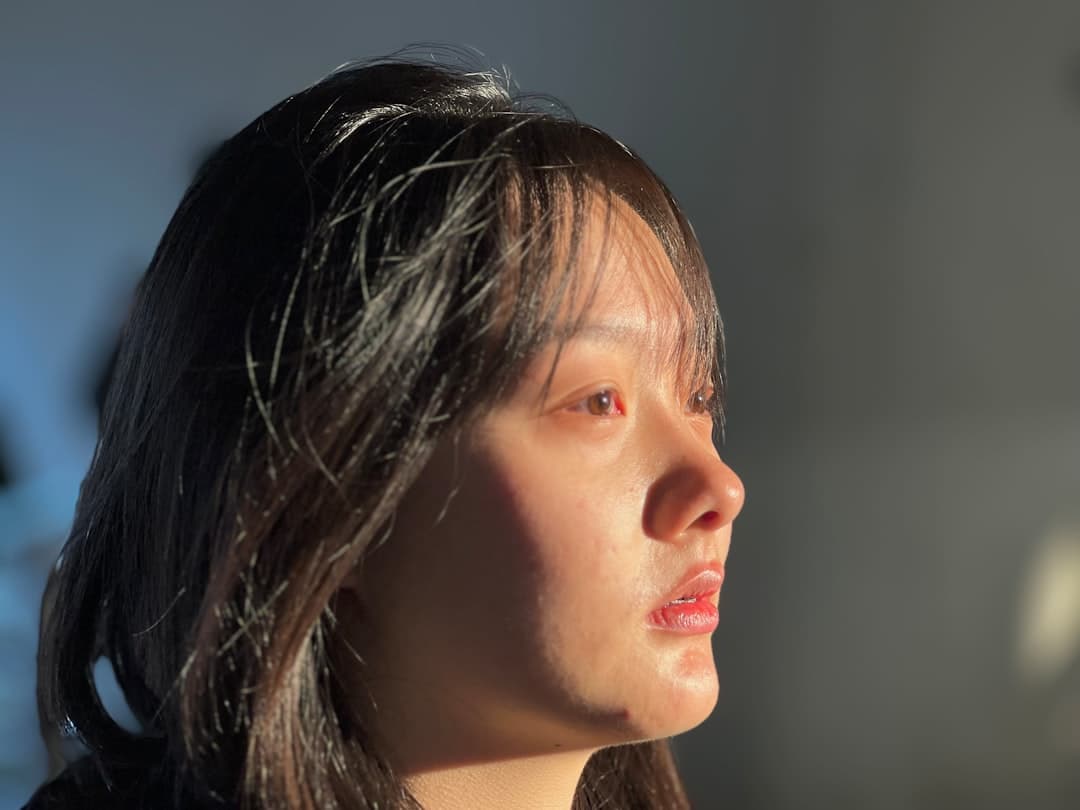
Is there an upper age limit for rhinoplasty?
There is no specific age that is considered too old for rhinoplasty. As long as your overall health is good, cardiovascular functions are normal, and you have no severe medical conditions or contraindications, age is not a barrier.
In practice, clients in their 50s and 60s have safely undergone rhinoplasty. The key considerations include:
- A comprehensive pre-operative health check
- Adequate skin elasticity to support the desired aesthetic outcome
- Psychological stability and realistic expectations
According to the American Society of Plastic Surgeons (ASPS), ideal candidates for rhinoplasty are those whose facial growth is complete, who are physically healthy, non-smokers, and who hold realistic goals for improving their appearance.
Why is the age range of 18–35 considered an optimal time for rhinoplasty?
This age group offers notable advantages:
- Youthful, elastic skin that facilitates faster recovery and typically yields more natural results
- Stable overall health and a strong immune system
- A long-term investment to enjoy the aesthetic results for many years
However, this is only a general tendency, not a strict rule. An individual aged 40 or 45 may still possess better health and skin quality than a 25-year-old.
Health factors to consider regardless of age
Instead of focusing solely on age, the doctor will evaluate:
- Cardiovascular and blood pressure status
- History of diabetes or autoimmune diseases
- Current medications that may interfere with the procedure
- Smoking and alcohol habits that affect the healing process — according to MedlinePlus, patients should stop smoking at least 2–3 weeks before and after surgery to support proper wound healing
- History of allergies to implant materials
- Psychological stability and a clear motivation for rhinoplasty
Every case is unique; therefore, a direct examination and consultation is the only way for the doctor to provide you with an accurate assessment.
At BonBoz, depending on your nasal anatomy and aesthetic goals, the doctor may recommend one of three surgical techniques: structural rhinoplasty, rhinoplasty with cartilage-wrapped tip (tip graft), or autologous rib cartilage rhinoplasty — rather than applying a single rigid technique to every age group or nasal condition.
Key considerations for rhinoplasty across different age groups
Age can influence the recovery process:
- Ages 18–30: Rapid recovery, natural aesthetic outcomes
- Ages 30–45: Good skin elasticity remains, but additional attention should be paid to facial wrinkles and overall facial harmony
- Ages 45 and above: Reduced skin elasticity may lead to a slower recovery process, yet the procedure remains entirely safe if overall health criteria are met
If you are considering combining rhinoplasty with other procedures such as a facelift, the doctor will develop a comprehensive surgical plan for the most harmonious outcome. A specific note regarding collagen thread nose enhancement: this is a temporary, less invasive option compared to surgery, but it carries a higher risk of complications such as thread migration, extrusion, or infection compared to structural rhinoplasty using cartilage — your doctor will thoroughly explain the advantages and disadvantages before you make a decision.
Conclusion
Rhinoplasty has no rigid age restrictions. Instead, the critical prerequisites are:
- Being 18 years of age or older, or having parental/guardian consent and accompaniment if under 18
- Stable overall health
- Psychological stability and realistic expectations
- Choosing a qualified doctor for thorough consultation and a tailored surgical plan
Are you considering rhinoplasty but unsure if you are an eligible candidate? Schedule a consultation with a doctor at BonBoz for a detailed evaluation. The doctor will listen to your aesthetic goals, examine your health status, and recommend the most suitable plan tailored specifically to you.

References
- American Society of Plastic Surgeons (ASPS) — Rhinoplasty candidates, accessed 02/09/2026
- MedlinePlus — Rhinoplasty, accessed 02/09/2026
Content compiled and reviewed by the medical team at BonBoz Clinic.
Read more: 6 criteria for choosing a reputable rhinoplasty clinic in HCMC
Frequently Asked Questions
What is the minimum age for rhinoplasty?
The recommended age for rhinoplasty is 18 years and older. For clients under 18, BonBoz Clinic strictly requires parents or legal guardians to accompany them, fully understand, and consent to the treatment plan before the procedure can be performed.
Can older adults undergo rhinoplasty?
Yes. There is no upper age limit for rhinoplasty. Older adults, including those in their 50s or 60s, can safely undergo the procedure provided they are in good health, have normal cardiovascular function, and have no medical contraindications.
What is considered the most ideal age for rhinoplasty?
The age range from 18 to 35 is considered the most favorable period due to optimal skin elasticity, rapid healing capacity, and stable physical health.
What are the pros and cons of collagen thread nose enhancement compared to structural rhinoplasty?
Collagen thread nose enhancement is a temporary and less invasive alternative to surgery. However, this method carries a higher rate of complications such as thread deviation, thread extrusion, or infection compared to structural rhinoplasty using cartilage grafts.
1. If rhinoplasty is performed in late adolescence, should one worry about changes in nasal shape as the body fully matures?
If rhinoplasty is performed before full physical maturity, subtle changes in nasal shape may occur over time due to ongoing development of bone and cartilage structures. This is why BonBoz Clinic generally recommends waiting until the facial skeletal structure has fully stabilized. MedlinePlus also notes that many surgeons only perform cosmetic rhinoplasty after the nasal bone has finished growing. A specialist at BonBoz Clinic will perform a thorough examination to assess your level of structural maturity before providing appropriate guidance.
2. Beyond age, what age-related health factors should be considered before rhinoplasty?
In addition to chronological age, overall health factors such as underlying medical conditions (cardiovascular disease, diabetes), coagulation status, and wound-healing capacity must be carefully evaluated. These factors can be age-related and directly impact both the surgical procedure and recovery. A specialist at BonBoz Clinic will conduct necessary examinations and clinical tests to ensure your maximum safety.
This article is for reference only and does not replace an in-person examination or a doctor's diagnosis. Actual results vary by individual condition.