
Does laser treatment for melasma harm the skin? When does melasma get darker after laser?
Laser does not harm the skin on its own, but using it on the wrong type of melasma or at the wrong energy level can make melasma darker and more widespread. These are the situations you should know about before having laser treatment.
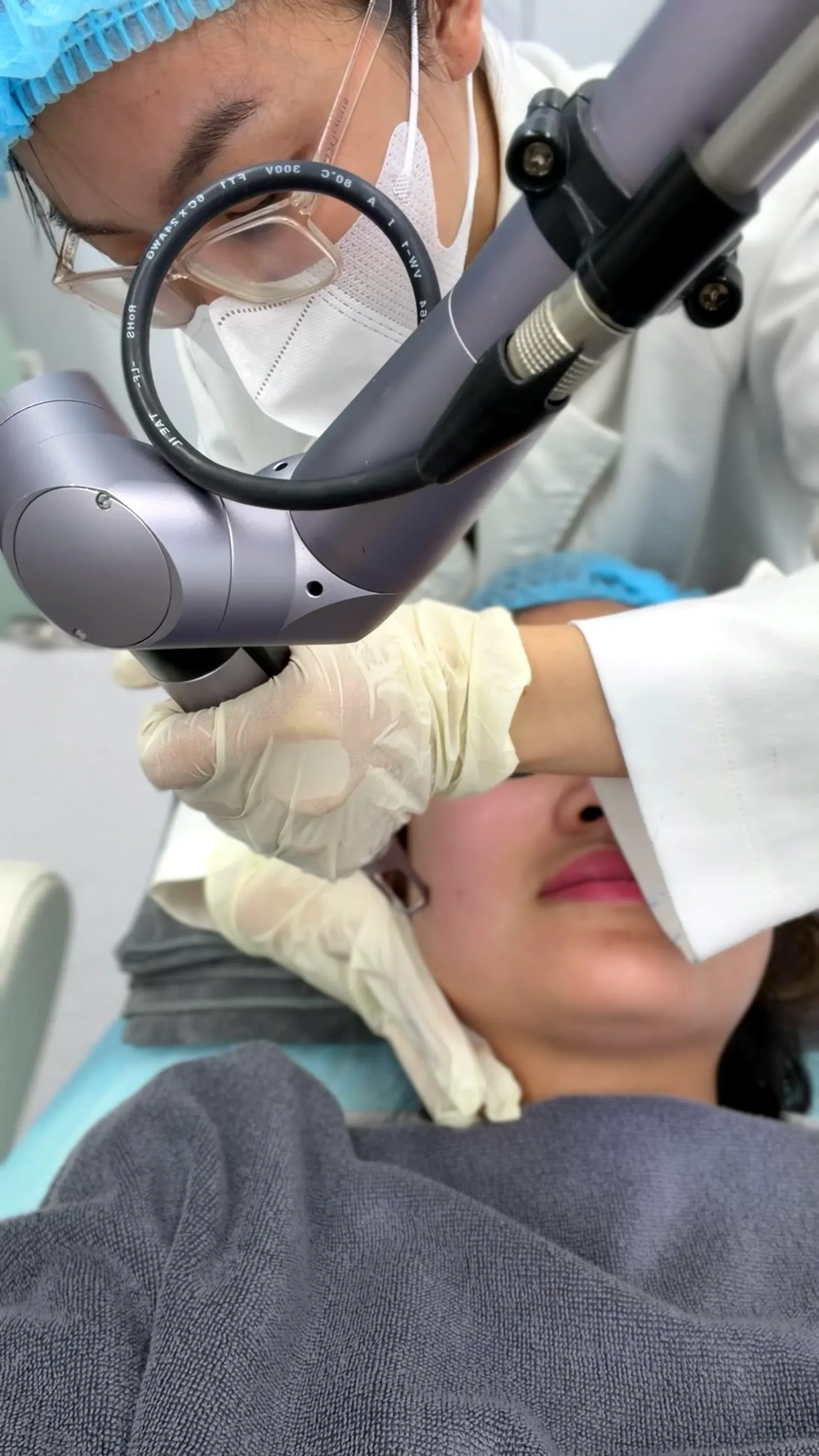
Melasma laser treatment does not damage the skin when it is matched to the right type of melasma, delivered at the right energy level and combined with sun protection. Even when it is done correctly, melasma can still darken again or recur after some time, so laser is only one part of a treatment plan. The bigger risk lies elsewhere: high-energy laser, or laser used on melasma that has not been classified, can make melasma darker and more widespread and leave post-inflammatory hyperpigmentation. So the right question is not "is laser harmful?" but "which laser, for which type of melasma, and who sets the parameters?"
At BonBoz Clinic (licence for medical examination and treatment 11113/HCM-GPHĐ in dermatology, issued by the Ho Chi Minh City Department of Health), every laser session for melasma begins with skin analysis, and the doctor decides the parameters. This article is based on the approach of Dr. Bùi Thị Kim Kha, a Specialist Level I physician in dermatology with a certificate in laser and light therapy in dermatology, together with international dermatology references.
How does laser act on melasma?
Melasma forms when pigment cells in the epidermis and dermis are stimulated to produce more melanin than normal. Sun, visible light and heat are the strongest triggers, while hormones and genetics determine who is prone to it. Pigment lasers work by delivering energy to the pigment granules so that they break into small fragments, which the body then clears gradually.
The difficulty with melasma is that the pigment cells in the affected area are already in an "easily provoked" state. With freckles or sun-induced brown spots, the pigment sits in the epidermis and usually responds quickly to laser at an energy level sufficient to break up the pigment: freckles usually need 1–3 sessions 4–6 weeks apart, and brown spots 1–2 sessions, with the spots darkening, crusting and flaking off within 5–10 days. With melasma, that same energy level can wake up more pigment cells and make the skin react the opposite way.
For this reason, melasma is treated with laser toning (at BonBoz, the Pastelle machine): low-energy Q-switched laser, spread over multiple sessions, each with a gentle effect so that pigment fades gradually without strong inflammation. With laser toning, melasma usually looks lighter after 3–4 sessions; deep-rooted melasma responds more slowly. When the face has both melasma and freckles, the doctor can treat them within the same course but use different parameters for each area. You can read more about how to tell melasma, freckles and brown spots apart and the details of a session in Pastelle laser toning.
DermNet, a dermatology library compiled by New Zealand dermatologists, notes that chemical peels and laser can be used for melasma but with caution, because they risk worsening the melasma or causing post-inflammatory hyperpigmentation. With laser, even Q-switched types, the risk that melasma recurs and becomes harder to treat is significant, so a qualified doctor is needed, and pigment-suppressing topical medication usually has to be applied before treatment.
When does melasma get darker after laser?
When melasma darkens after laser, the doctor usually reviews the situations below before considering individual skin factors.
| Situation | What happens in the skin | How to prevent it |
|---|---|---|
| Using high energy as for brown spots | Pigment cells in the melasma area are strongly stimulated and produce more melanin | For melasma, use low-energy toning over multiple sessions, with parameters set by the doctor |
| Melasma is not classified beforehand | Deep-rooted or mixed melasma is treated like patch melasma or freckles | Skin analysis, and classification as patch / deep-rooted / mixed melasma before the first session |
| No sun protection after the laser session | Freshly treated skin meets UV and visible light, and pigment rebounds | Broad-spectrum SPF 50 sunscreen, reapplied every 2 hours outdoors, plus a hat and mask |
| Thin skin with dilated vessels from compounded creams | A weak skin barrier is prone to inflammation and darkening | Restore the skin first, treat melasma afterwards; laser must be used with great caution |
| Laser while melasma is "active" or the skin is sunburned | Inflamed skin reacts strongly to energy | Postpone, and stabilise the skin first with sun protection and topical medication |
| Booking sessions too close together or raising energy on your own to "clear it faster" | Inflammation builds up, raising the risk of post-inflammatory hyperpigmentation | Follow the planned course, and review with standardised photos at each follow-up visit |
One point to distinguish: post-inflammatory hyperpigmentation (darkening after laser) is different from reactivated melasma. According to DermNet, post-inflammatory hyperpigmentation appears exactly where the skin was injured, can get darker with sun exposure, and is common in people with darker skin. Most Vietnamese people have skin that darkens easily, so both phenomena need to be considered before choosing parameters.
Who should not have laser for melasma yet?
Laser is not the first step for everyone with melasma. Doctors usually postpone laser or do not recommend it in the following cases:
- Pregnant or breastfeeding. Many melasma medications and laser treatment are left until after delivery; in this period the priority is strict sun protection and certain safe active ingredients as recommended. Melasma during pregnancy can also fade naturally after birth. See also the article on melasma during pregnancy and after birth.
- Skin damaged by compounded creams. Thin skin, dilated vessels and a red, burning sensation are signs that the skin must be restored first. If you have used whitening products of unknown origin, read the article on compounded creams and quick-whitening cosmetics.
- Skin that is sunburned, inflamed or on high-dose retinoids. Treatment needs to be postponed until the skin settles.
- Superficial patch melasma that appeared only 1–2 years ago. This group usually improves clearly with sun protection and prescribed topical medication within 3–4 months, and may not need laser.
- Spots with changing colour, ragged borders, rapid growth, itching or bleeding. An examination to rule out abnormal lesions must be done before any aesthetic procedure.
After a laser session: which signs mean you should go back to the doctor?
Everyone reacts differently, and the doctor will give specific instructions after each session. What matters is that you can tell what needs monitoring apart from what calls for contacting the clinic.
Contact the doctor early if:
- The melasma clearly darkens or spreads beyond its old borders within a few weeks after the session.
- New dark patches appear where there was no melasma before.
- The skin is red and burning, with stinging that lasts or unusually heavy peeling.
- You were exposed to the sun for a long time, went to the beach or used a sauna right after the laser session.
In the days after laser, keep these habits: strict sun protection, no strong exfoliating products for 1–2 weeks, no sauna in the first few days, and do not pick at crusts if they form. For the daily order of products, see skincare steps for skin under treatment and how to apply sunscreen properly and how often to reapply.
Had laser elsewhere and melasma got darker: what should you do?
This is one of the reasons people with melasma need a dermatology examination. The first step is to stop any further laser sessions and any products that cause irritation. The second is to protect the skin from the sun more carefully than usual: broad-spectrum sunscreen, preferably a tinted type containing iron oxide to block visible light as well, together with a wide-brimmed hat and a mask.
When you come for an examination, tell the doctor which type of laser you had, how many sessions, when the melasma started to darken and which products you are using, and bring photos from before treatment if you have them. From there the doctor distinguishes post-inflammatory hyperpigmentation from reactivated melasma, usually starting by soothing and stabilising the skin before reconsidering laser. Do not try to "put out the fire" yourself with whitening creams bought elsewhere, or by having more laser right away at another place.
What does BonBoz do before laser for melasma?
The process at BonBoz follows a fixed order, with no steps skipped:
- 1Examination and skin analysis to classify the melasma as patch, deep-rooted or mixed, and to distinguish it from freckles, brown spots and lesions that must be ruled out. The initial examination and skin analysis are free.
- 2Medical history: hormones (pregnancy, contraceptive pills, thyroid), products used, and any laser or chemical peel done before.
- 3Stabilising the skin with sun protection and, if needed, a prescribed topical lightening regimen.
- 4Considering laser toning when the type of melasma and the skin condition are suitable, with parameters set by the doctor; progress is reviewed with standardised photos at each follow-up visit.
- 5Setting clear expectations: melasma improves step by step, needs maintenance, and can darken again each sunny season if sun protection is dropped.
The cost of laser toning is charged per session; the clinic has not published a reference price range for melasma, and the doctor will state the cost after the examination, before you decide. See the full plan for melasma treatment at BonBoz.
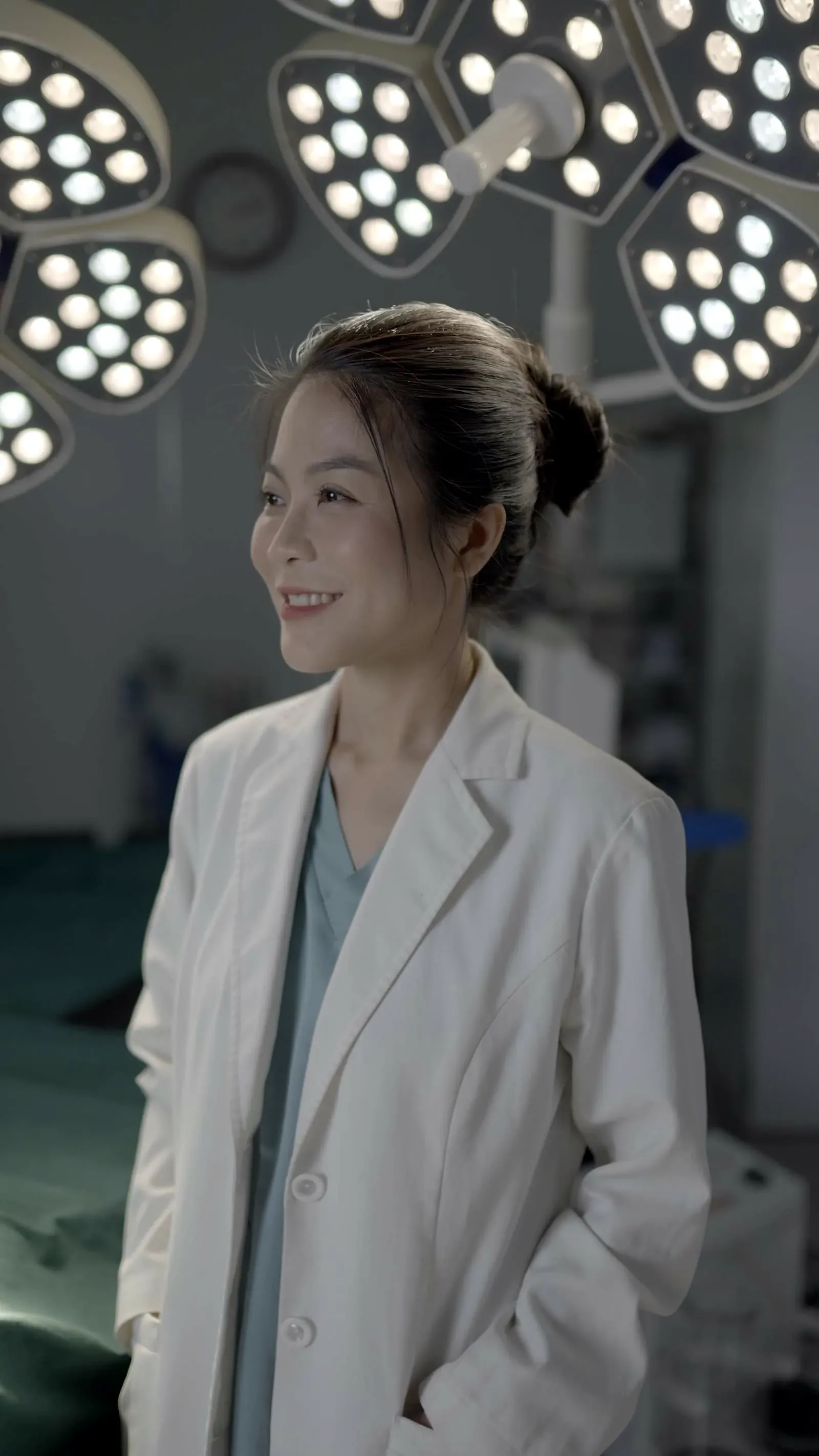
Book a melasma examination at BonBoz Clinic
- Address: 66–68 Võ Văn Tần, Xuân Hòa Ward (formerly District 3), Ho Chi Minh City.
- Opening hours: Monday – Sunday, 08:00–20:00.
- Phone: 0869 612 310.
- Licences: 11113/HCM-GPHĐ (dermatology) and 10036/HCM-GPHĐ (aesthetics), issued by the Ho Chi Minh City Department of Health; look up at tracuu.medinet.org.vn.
- Doctor in charge: Dr. Bùi Thị Kim Kha, a Specialist Level I physician in dermatology, Specialist Level I physician in dermatology, practising certificate 009784/ĐL-CCHN, more than 8 years of practice.
References
- DermNet — Melasma: <https://dermnetnz.org/topics/melasma> (accessed 11/11/2026)
- DermNet — Postinflammatory hyperpigmentation: <https://dermnetnz.org/topics/postinflammatory-hyperpigmentation> (accessed 11/11/2026)
- American Academy of Dermatology — Melasma: Diagnosis and treatment: <https://www.aad.org/public/diseases/a-z/melasma-treatment> (accessed 11/11/2026)
Frequently Asked Questions
Does laser for melasma thin the skin?
Low-energy laser toning is designed to act gently on pigment, not to wear down the skin layer. Thin skin in people with melasma is usually caused by prolonged use of compounded creams containing corticosteroids, not by laser used as indicated. If your skin is already thin, the doctor will restore it first before considering laser.
Why did my friend's brown spots clear quickly with laser while my melasma is slow?
Brown spots and freckles are pigment confined to the epidermis and usually respond after 1–3 sessions. Melasma is a state of prolonged pigment cell overactivity that can also sit in the dermis, so it needs low energy and multiple sessions. Two different conditions improve at different speeds.
How many laser toning sessions until melasma looks lighter?
Melasma usually looks lighter after 3–4 laser toning sessions; deep-rooted melasma is slower. For mixed melasma, a plan combining topical medication, laser toning and sun protection usually lasts 6 months or more. The doctor reviews with standardised photos at each follow-up visit to adjust the plan.
Do I need topical medication after laser?
Usually yes. Laser is one part of the plan and cannot replace sun protection and prescribed topical lightening medication. International dermatology references also note that laser mainly gives additional improvement in people who already apply topical medication and sun protection consistently.
Can I have laser for melasma while breastfeeding?
During pregnancy and breastfeeding, doctors usually prioritise strict sun protection and safe active ingredients as recommended, leaving many melasma medications and laser until later. You should come for an examination to be assessed individually rather than deciding on your own. Melasma related to pregnancy can fade gradually after birth.
Can melasma that got darker after laser go back?
In many cases it can improve again if you stop the aggravating factors, protect the skin carefully from the sun and have the doctor set up a suitable plan to soothe and lighten the skin. Recovery time depends on the severity and type of damage, so an in-person examination is needed. Do not have more laser or use whitening creams on your own to "fix" it.
Content prepared by the BonBoz Clinic medical team.
This article is for reference only and does not replace an in-person examination or a doctor's diagnosis. Actual results vary by individual condition.