
Why melasma comes back and how to maintain results after treatment
It's common for melasma to fade and then darken again after the sunny season. This article explains why melasma comes back, the early signs, and a maintenance schedule that helps keep results longer.
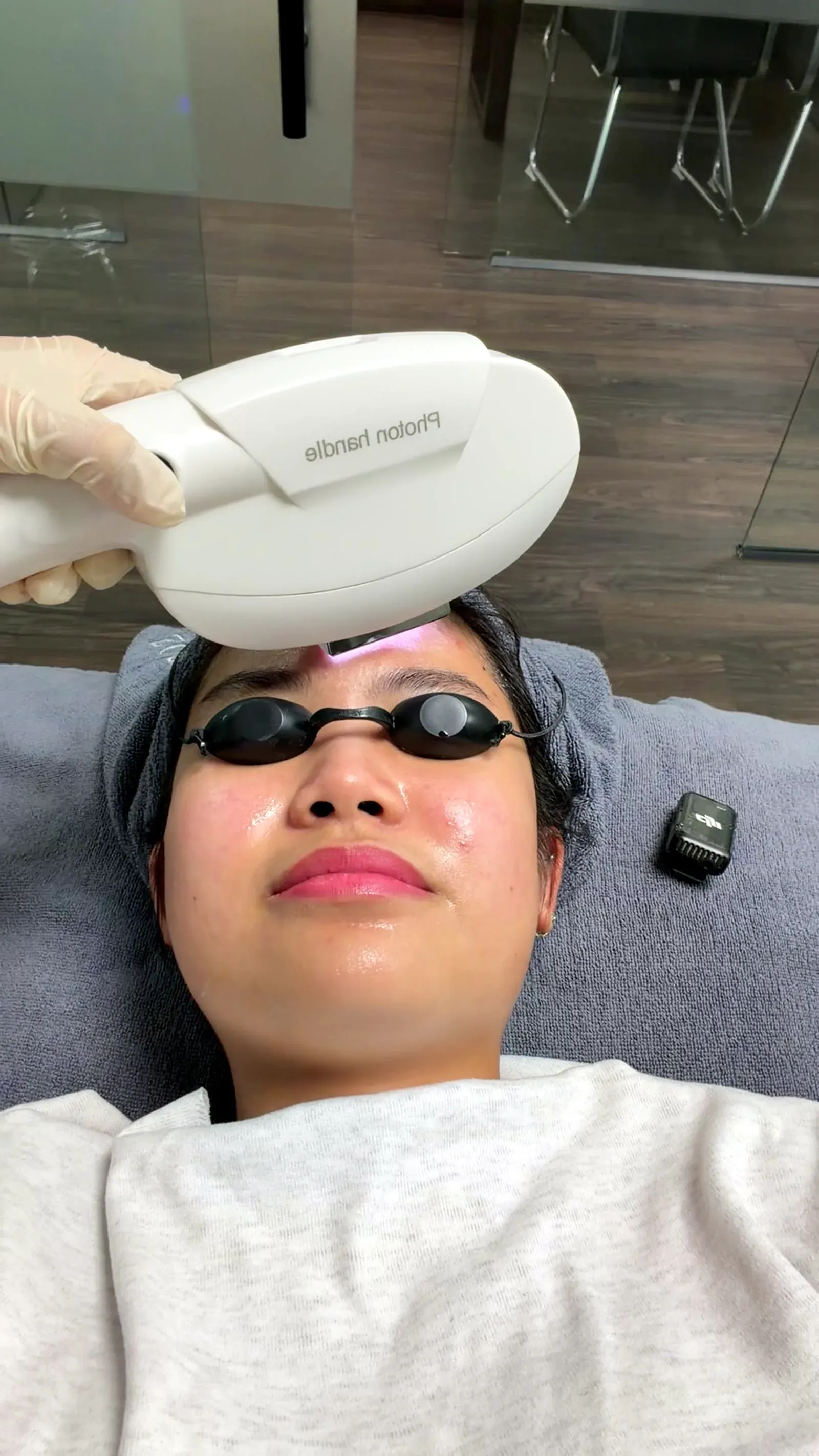
Melasma recurs because treatment only reduces the pigment that is already there. The pigment cells underneath remain prone to overactivity whenever they are exposed to sun, visible light, heat or hormonal changes. Melasma therefore needs long-term management: it can be lightened and kept stable, but if you stop sun protection and maintenance, it usually returns after one sunny season. Knowing in advance which triggers darken melasma again helps you limit recurrences.
At BonBoz Clinic (licence 11113/HCM-GPHĐ for dermatology, issued by the Ho Chi Minh City Department of Health), Specialist Level I physician Bùi Thị Kim Kha sets a maintenance schedule for each person based on the type of melasma and the level of response, and tracks progress with standardised photos at every follow-up visit.
How does recurrent melasma differ from melasma that has not responded?
These two situations are easily lumped together, but they are handled differently.
- Recurrent melasma: the patches have clearly lightened and stayed that way for a while, then darken again in the same place or spread to nearby areas. This is common after a period of heavy sun exposure, after stopping maintenance topical medication, or when hormones change.
- Melasma that has not responded: the patches barely lighten even after a full course of treatment. Possible reasons include deep (dermal) melasma, where the pigment sits in the dermis and responds slowly; an incorrect initial classification; or insufficient sun protection during treatment.
For recurrence, the usual approach is to return to the regimen that worked before, at a suitable intensity. For non-response, skin analysis needs to be repeated before changing methods. If you are not sure which type of melasma you have, read how epidermal, dermal and mixed melasma differ.
Why do pigment cells "remember", making melasma likely to return?
Melasma forms when pigment cells in the epidermis and dermis are stimulated to produce more melanin than normal. Lightening topical medications, chemical peels and low-energy laser toning help reduce accumulated pigment, but the underlying factors remain:
- Constitution and genetics: DermNet reports that about 60% of people with melasma have a relative who also has it.
- Light: both UV rays and visible light promote melanin production, and we are exposed to them every day.
- Hormones: pregnancy, contraceptive pills, hormone therapy and thyroid disorders are linked to melasma.
According to DermNet, even in people with good results, pigment can reappear with summer sun exposure, so long-term sun protection is needed to set realistic goals. Understanding this from the start keeps you from rushing to conclude that "treatment was useless" when an area darkens slightly after a beach trip. The article can melasma be cured completely discusses these expectations in more detail.
Six common triggers that darken melasma again
- 1Relaxing sun protection once melasma has lightened. This is the most common reason: people apply sunscreen consistently during treatment, then gradually do less as the skin brightens, forget to reapply, and skip the hat and mask.
- 2Visible light and heat. Sitting next to a glass window, standing over a hot stove and frequent steam baths can all stimulate melasma. The AAD notes that visible light makes melasma worse, especially in people with darker skin.
- 3Stopping maintenance topical medication abruptly. In the transition to maintenance, the frequency needs to be reduced gradually as directed.
- 4Hormonal changes. Starting contraceptive pills, becoming pregnant or using hormone therapy.
- 5Irritating products. The AAD advises using gentle, fragrance-free products; products that make the skin sting or burn can darken the patches further.
- 6Compounded creams and procedures that were not indicated. Creams containing corticosteroids thin the skin, and when they are stopped, melasma rebounds more strongly; high-energy laser on melasma areas can make it spread. See why rapid-whitening compounded creams are dangerous.
Maintenance schedule after treatment: what to do and for how long
The table below is a reference framework. The specific schedule is set by your doctor based on the type of melasma, the level of response and the history of recurrence.
| Stage | Main actions | Purpose |
|---|---|---|
| During treatment | Prescribed topical medication; laser toning or chemical peel if indicated; strict sun protection | Lighten existing pigment. Topical medication usually takes 8–12 weeks; with laser toning, changes are usually seen after 3–4 sessions |
| Transition to maintenance | Gradually reduce the frequency of topical medication, without stopping abruptly | Prevent pigment cells from becoming overactive again |
| Long-term maintenance | Daily sun protection; low-frequency topical medication if indicated; regular follow-up visits | Keep melasma stable and catch early signs of darkening |
| Before and during the sunny season | Increase protection; book an early follow-up if you notice darkening | Limit flare-ups after intense sun |
| When hormones change | Tell your doctor, especially during pregnancy or breastfeeding | Choose a safe option |
For mixed melasma, the treatment course usually lasts 6 months or more before moving into maintenance; the article how long does melasma treatment take explains the milestones. When melasma shows signs of darkening again, your doctor may consider a repeat Pastelle laser toning session: low-energy Q-switched technology, with parameters set by the doctor to avoid triggering a flare-up.
Sun protection during maintenance: the details that decide the result
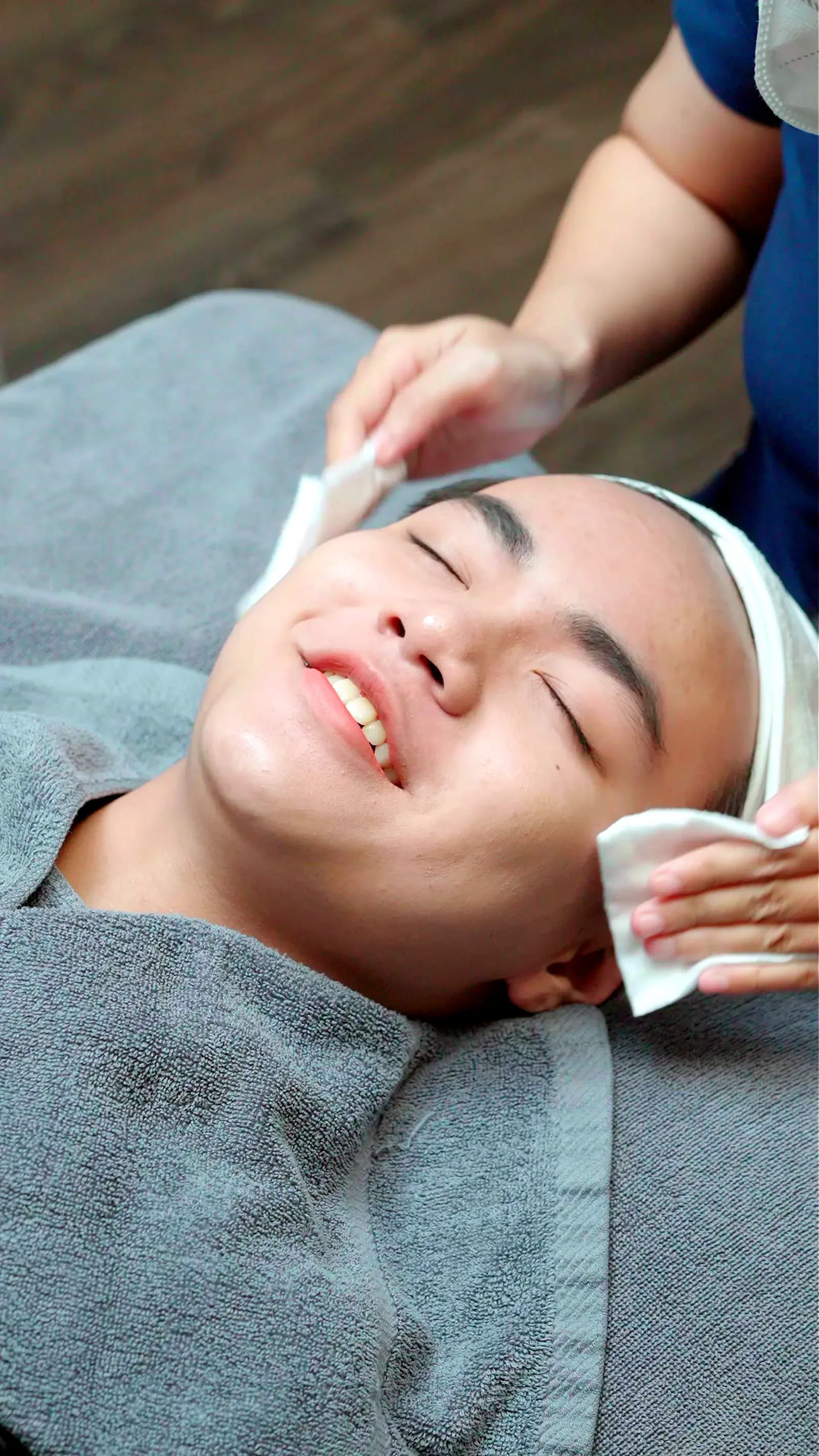
- Choose the right type: broad-spectrum, SPF 50, preferably a tinted product containing iron oxide to protect against visible light as well. The AAD also recommends that people with melasma use a tinted sunscreen containing iron oxide with SPF 30 or higher.
- Apply enough and reapply at least every 2 hours when outdoors, and after sweating or wiping your face (according to the AAD). Details are in the article how to apply sunscreen correctly and how often to reapply.
- Physical protection: wide-brimmed hat, mask, seeking shade.
- Cloudy days: the AAD reminds people to protect their skin every day, including cloudy days.
- Avoid tanning beds and sun lamps: according to the AAD, they can make melasma worse and interfere with treatment.
The order of your morning and evening products also affects the level of irritation; see the article skincare steps for melasma-prone skin, morning and evening.
When melasma comes back: signs and what to do
Early signs: the cheeks, forehead or upper lip look slightly darker than in your photo from the latest follow-up; the edges of the patches look sharper; new dark areas appear near the old patches; makeup has to be applied more thickly to cover them. Taking a photo of your face each month in the same position and lighting helps you notice early; at the clinic, the doctor compares standardised photos at every follow-up visit.
| Do | Don't |
|---|---|
| Take comparison photos and book an early follow-up | Buy rapid-whitening creams or creams with unclear ingredients yourself |
| Increase sun protection right away | Have high-energy laser done where no doctor examines you first |
| Tell your doctor about recent changes: new medication, new products, a period of sun exposure | Restart an old prescription on your own without advice |
| Be patient with the adjusted regimen | Rub or aggressively peel the skin at home |
See a doctor early rather than treating it yourself if: the dark patches spread or darken quickly over a few months; melasma rebounds strongly after you stop a whitening product (suspected corticosteroid compounded cream); you are pregnant, breastfeeding or using hormonal medication; or you had laser elsewhere and the melasma became darker and more widespread.
Pregnancy and breastfeeding: many melasma medications and lasers are postponed until after childbirth. During this time, strict sun protection and certain safe active ingredients, as recommended by your doctor, are the main approach; melasma during pregnancy may lighten naturally after childbirth. An overview of the classification and methods is on the page melasma treatment at BonBoz.
Book a melasma consultation at BonBoz Clinic
- Address: 66–68 Võ Văn Tần, Xuân Hòa Ward (formerly District 3), Ho Chi Minh City.
- Opening hours: Monday – Sunday, 08:00–20:00. Phone: 0869 612 310.
- Licences: 11113/HCM-GPHĐ (Dermatology) and 10036/HCM-GPHĐ (Aesthetics), issued by the Ho Chi Minh City Department of Health; look them up at tracuu.medinet.org.vn.
- Doctor: Dr. Bùi Thị Kim Kha, Specialist Level I physician, Specialist Level I in Dermatology, practising certificate 009784/ĐL-CCHN, more than 8 years of practice, holds a certificate in Laser and light in dermatology.
The initial consultation and skin analysis are free. The doctor will quote the cost after the examination, before you decide on treatment.
References
- American Academy of Dermatology. Melasma: Diagnosis and treatment. <https://www.aad.org/public/diseases/a-z/melasma-treatment> (accessed 11/11/2026)
- American Academy of Dermatology. Melasma: Self-care. <https://www.aad.org/public/diseases/a-z/melasma-self-care> (accessed 11/11/2026)
- DermNet. Melasma. <https://dermnetnz.org/topics/melasma> (accessed 11/11/2026)
Frequently Asked Questions
Do I need to keep using sun protection once my melasma has lightened?
Yes. Sun protection is the most important part of maintenance and should be kept up long term, because light is the strongest trigger of melasma. If you stop sun protection, melasma usually returns after one sunny season, even if it had clearly lightened before.
Is recurrent melasma worse than the first time?
Not necessarily. If it is caught early and you return to a suitable regimen, recurrent melasma is usually easier to manage. A strong rebound is often linked to compounded creams containing corticosteroids or high-energy laser; in that case, you need a doctor's examination to restore the skin first.
How often should I have a follow-up during the maintenance stage?
Your doctor sets the follow-up schedule based on your type of melasma and how stable it is. Book earlier than scheduled if the melasma darkens, before the sunny season, or when hormones change, such as pregnancy or starting contraceptive pills.
Do I need to use maintenance topical medication forever?
It is not the same for everyone. Many people are advised to use low-frequency topical medication once melasma is stable, reducing it gradually rather than stopping abruptly. The doctor adjusts this based on comparison photos and each person's history of recurrence.
Can hormonal changes make melasma recur?
They can. Pregnancy, contraceptive pills, hormone therapy and thyroid disorders are all linked to melasma. When these changes occur, tell your doctor so the plan can be adjusted, especially during pregnancy or breastfeeding, because many melasma medications and lasers need to wait until after childbirth.
Should I have laser right away if melasma recurs?
You should not decide on your own. The doctor needs to do a skin analysis to determine which layer the melasma is in and whether it is active. If appropriate, low-energy laser toning may be considered; high-energy laser on melasma areas can make it darker and more widespread.
Content prepared by the BonBoz Clinic professional team.
This article is for reference only and does not replace an in-person examination or a doctor's diagnosis. Actual results vary by individual condition.